The National Federation of Women's Institutes has issued a statement today, following the unprecedented decision by its AGM in Liverpool to reject a vote on 'mega farms'.
The resolution, which would have formed a platform for WI campaigning, had been the subject of intensive NFU lobbying during the last few months. Farmers and staff travelled the country to speak to nearly 110 local WI groups.
A vote was rejected at the eleventh hour yesterday, as delegates questioned the wording and the clarity of the paragraph, which had called for the government to block planning permission for 'factory farming'.
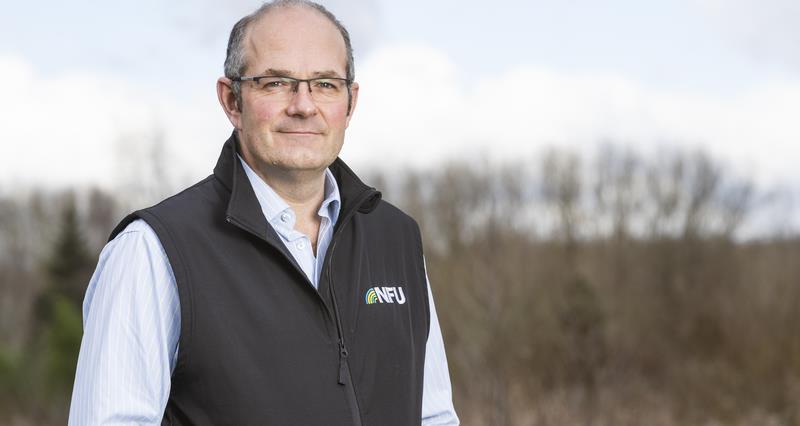
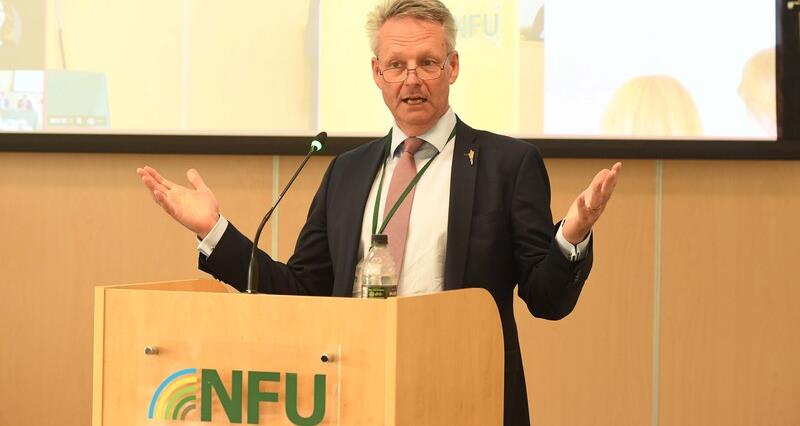
NFU President Peter Kendall had addressed the AGM at the Liverpool Echo Arena earlier in the day. See what he had to say here.
This morning, the NFWI issued the following statement:
'Delegates at the National Federation of Women’s Institutes’ AGM in Liverpool rejected a vote on one of their resolutions today, calling on the industry and relevant bodies to open up a rational and transparent debate on the future direction of UK farming.
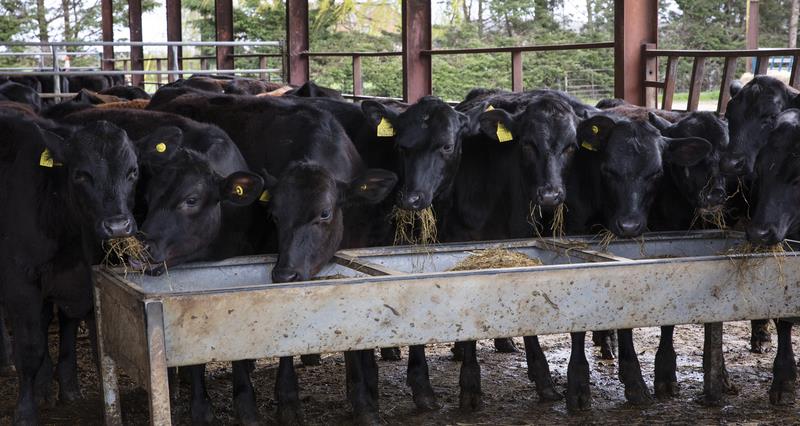
'WI members felt that the wording of the resolution - “This meeting abhors the practice of factory farming particularly large animals such as pigs and cows and urges HM government to ensure planning permission is not granted for such projects” - and its reference to ‘factory farming’ prevented reasoned debate, and therefore voted to move business on to the next item on the AGM agenda. This is the first time that WI members have rejected to vote on a resolution topic AGM.
'Every WI campaign starts its life as a resolution submitted by WI members who play a central role in defining organisational policy and bringing issues onto the WI’s national agenda. Every resolution submitted by members is given due consideration by WI members who vote to decide the final shortlist, and the fact that any resolution reaches the national AGM highlights a tremendous level of interest in a particular issue. While the lack of debate on the issue is disappointing, it demonstrates a real need for wider discussion of the issues surrounding large-scale farming enterprises on both sides of the debate.
'The WI is not afraid to take on challenging and complex issues. WI members have welcomed the opportunity to explore the issues in some depth on a local level but members recognise that the WI is a strong campaigning force and believe that the subject is too important to go forward as a national mandate without further discussion and research. We now call on all of the organisations involved in the dialogue to start a reasoned public debate with consumer understanding at the centre.'
No comments have been made.