The Fruit and Vegetable Task Force gives us the chance to influence government at the highest level.
Regional Director: Pamela ForbesRegional Public Relations Officer: Brian FinnertyTel: 01638 672100 Email: east.anglia@nfu.org.uk How to find us: See the document link to the right of the page.
The NFU is stepping up its fight against Chinese lanterns. read more..
The latest news and information for members from the regional office read more..
A farmer on the Essex coast is bringing in a helicopter to show how it could be used to tackle emergency sea wall repairs. read more..
A roundup of the week's news and forthcoming events from across the region. read more..
Free advice about environmental stewardship is on offer at a series of events starting in September. read more..
A roundup of news and forthcoming events from across the region. read more..
The NFU has responded to proposals published by the Broads Authority, which sets its strategic plan for the management of the Broads for the period 2011 to 2016. Our response questions the ability of the Broads Authority to deliver its read more..
The Environment Agency has declared a ‘potential drought’ status (see definition below) in the Middle and South Levels water management areas including Cambridgeshire and small areas of Norfolk and Suffolk, and is asking abstraction customers to help by using water carefully. read more..
Find out how one farmer is playing his part in the Campaign for the Farmed Environment. read more..
The NFU has re-instated its online Fodder Bank to help farmers with shortages and surpluses of cattle feed and bedding. read more..
Read about the NFU's ongoing work to help irrigators in East Anglia. read more..
Farmers and land owners are backing a business-led campaign that calls on the coalition government to support industry in the East of England. read more..
Sugar producers from across the globe are descending on Cambridge for this year’s world sugar conference, taking place in the UK for the first time. read more..
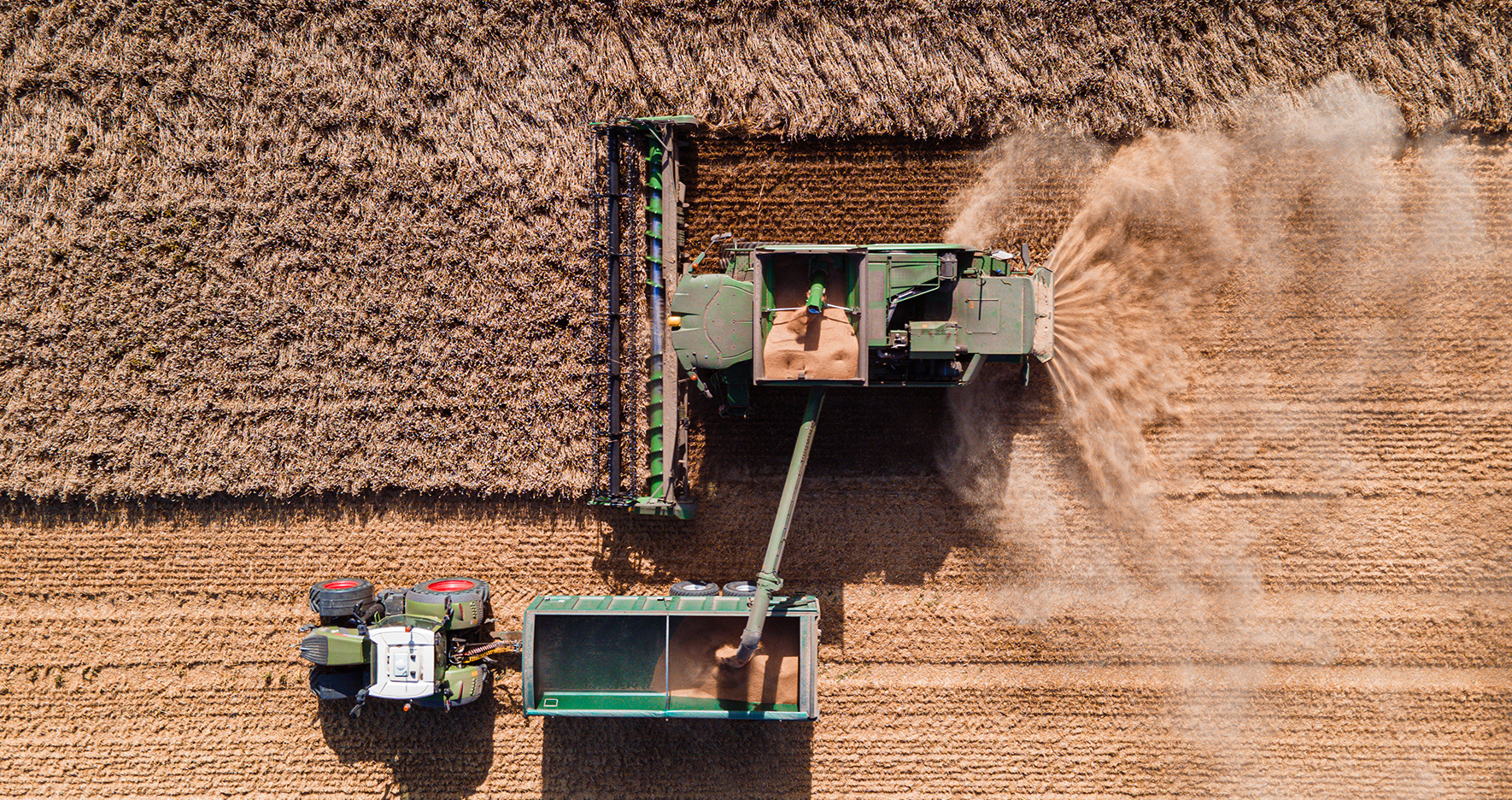
East Anglian farmers are being urged to ‘be prepared’ during harvest to avoid the danger of combine and crop fires. read more..
How climate change will affect farming and the landscapes of the Suffolk Coast and Heaths will be studied under a major new project. read more..
The apple will take centre stage at an event organised by farming charities in Suffolk. read more..
Why Farming Matters to the Broads | Regional commodity boards | Environmental advice meetings |
From the fertile Fens to the grazed grasslands of the Waveney Valley, East Anglia is one of the most productive agricultural landscapes in the world. As well as producing quality food, its farmers and growers support thousands of jobs, manage the countryside and offer solutions to alleviate problems posed by climate change.
The East Anglia region comprises Bedfordshire, Cambridgeshire, Essex, Hertfordshire, Norfolk and Suffolk. It is best known for its cereal crops, with farmers growing more than a quarter of England's wheat and barley. Out of a total farmed area of 1.4 million hectares, almost a third of that land was used for wheat in 2007.
But it is a major region for horticulture as well, cultivating everything from peas and beans to apples, strawberries, salad crops, flowers and shrubs. Farmers in East Anglia also harvest well over half the country's entire sugar beet crop - mainly in Norfolk, Suffolk and Cambridgeshire. And almost a third of England's potato crop is grown here as well.
Britain's pig and poultry farms are centred largely on East Anglia - not surprisingly as so much of the grain needed for animal feed is grown here. Laying hens produce about 2.2 million eggs every day and our region's farmers supply a quarter of England's table chicken. We also have the second largest number of pigs in England, 1.1 million animals on around 1900 farms. Our sheep flocks, beef and dairy herds may be small compared with other regions but they are important to the farming 'balance' of the region and their grazing plays a vital role in looking after the landscape. About 50,000 people work directly within the agricultural and horticultural sector but many more jobs depend on it, including workers in engineering, livestock feed manufacture, transport, the veterinary profession and agricultural research and development. Agriculture and horticulture are also the backbone of rural tourism, a major regional employer supporting 167,000 jobs. Tourism brings hundreds of millions of pounds into the rural economy every year as well. Around three quarters of land in East Anglia is used for agriculture, so farmers play an essential role in managing the countryside. They carry out daily care for the countryside on a scale unmatched by any single conservation agency or government department. Some of the work is paid for under schemes such as environmental stewardship. East Anglia has more land covered by this new scheme than any other region.