About the East Midlands
Farming in the East Midlands is amongst the most varied in the British Isles.
From the beautiful Peak District of Derbyshire to the fertile fens of Lincolnshire, the region’s farmers care for 1.2 million hectares of land. Our professional farmers utilise the most up-to-date technology to produce top quality food for our customers and contribute £2.2billion to the region’s economy.
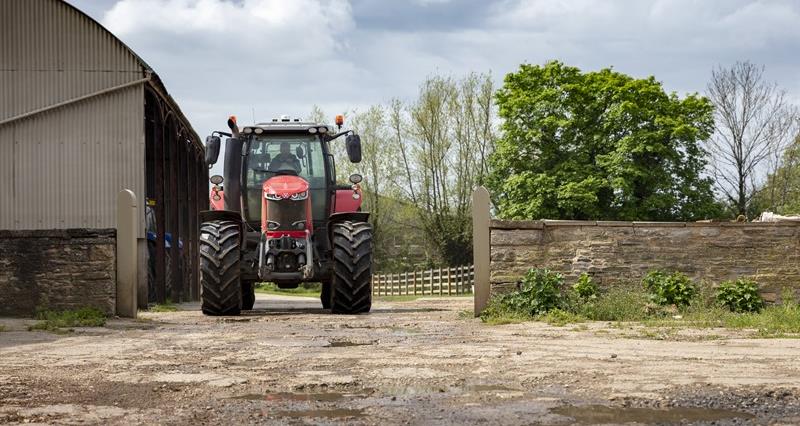
Our farmers are progressive and forward thinking in their use of technology. Whatever the farm scale or enterprise, farmers’ work caring for the wildlife and habitats is important to them, too: in the arable counties, more than two thirds of farmers belong to Environmental Stewardship schemes.
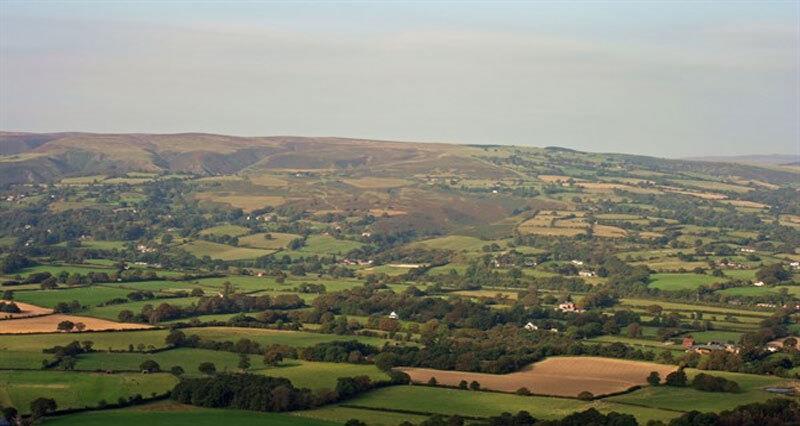
Each of the region’s counties is a unique mix of farm types, geography and topography.
Northamptonshire’s arable and grassland farms produce top quality grain and although there are few dairy farmers now, sheep and beef are still important enterprises in the county.
Leicestershire, similarly, prides itself on the quality of lamb and beef produced from its rolling acres whilst there is still a strong dairying sector in the west of the county.
Arable crops add variety to the striking patchwork quilt landscape that typifies the Midlands.
Rutland is the smallest county in England, but its farmers are diverse and professional, growing arable crops, producing quality livestock and poultry and caring for the environment in the heart of
England.
Nottinghamshire has, perhaps, the widest range of farming types with livestock, including pigs, poultry, dairying and horticulture adding to the usual arable acres. Divided between the large farming estates and family owned farms, Nottinghamshire’s production would rival many bigger counties given its varied soils and proximity to the urban markets.
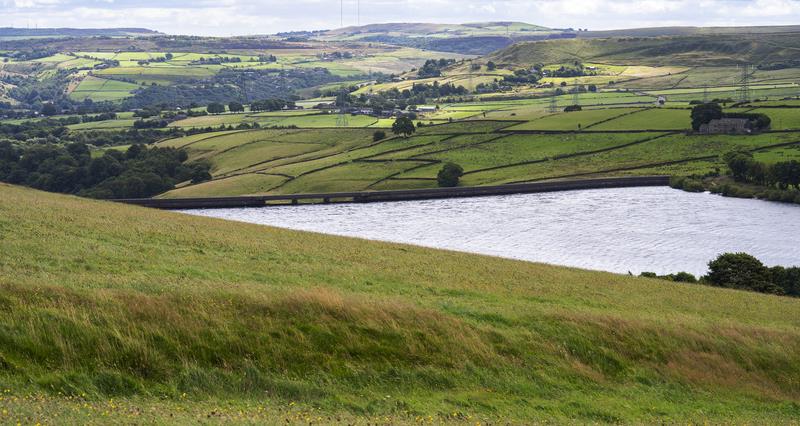
Derbyshire’s unique terrain, from rolling lowlands to high moorland hosts the region’s main livestock populations. Dairying, beef and particularly sheep production are the main farming enterprises,
although arable and horticulture are represented in the lower-lying Trent valley in the south of the county. The Peak District National Park is the most visited of the UK’s national parks, with more than two million people each year helping to maintain the rural economy by supporting farm-based, tourism and other diversified businesses.
Our largest county is Lincolnshire. It boasts many important statistics: producing more than 40% of the daffodils (both cut flowers and bulbs) in the country; nearly 30% of the field vegetable crop of England and it is the second largest potato producing area, after Norfolk. Lincolnshire’s half a million hectares also support livestock, arable, dairying and outdoor pig production as well as an enormous number of poultry (hens, ducks, turkeys and geese), in all about 18 million. Lincolnshire can proudly say it is the premier food producing county of England.
NFU working for you:
Work in progress out now: Work in progress is our quarterly round-up of what the NFU is doing for its members, covering more than 250 cross-sector and policy issues. The latest edition is out now. Click here to download the report .
Who does what and where are they? NFU East Midlands’ who’s who guide to everybody who’s on anything in the NFU in the region is now online, here. Log in to the website, first to access this information.
What does CFE mean for my farm? Contact your local county co-ordinator and find out how CFE can be implemented simply on your farm. Click here to get contact details. And visit the CFE website, here, to get find out more about the campaign, nationally.
For reference:
Rural Development Programme for England (RDPE). Our dedicated section for funding opportunities in the East Midlands will help you find out more about accessing grant aid for new or developing enterprises on your farm. Click here to go to our RDPE pages and find out how you could claim some of your modulation money to help your business.
New MPs on the block – Just who are they and which ones have changed? Click here for a full list of the East Midlands
Who’re my MEPs? Here’s an up-to-date list of your European representatives, with contact details. Now you have no excuse not to contact them with your issues and questions!
Find my local food producer. NFU’s Food Finder lists lots of local food producers, farm shops and farmers’ markets. Click here to access this treasure of local food.
Help at hand at NFU East Midlands. As an NFU member, your first point of call for all your farming queries is the NFU call centre, CallFirst. Our trained staff can offer legal advice on matters affecting your farming business and are available from 8am till 6pm, Monday to Friday. Just call 0870 845 8458 for help on employment, land, planning, SPS, water and inputs, contracts and legislation affecting your farm. Calls are charged at national call rates. NFU staff based at Uppingham, Rutland, are available to help members on a variety of issues, too. Click on the PDF on the right to find details of who’s who and who does what in the East Midlands NFU regional office.