About the South East
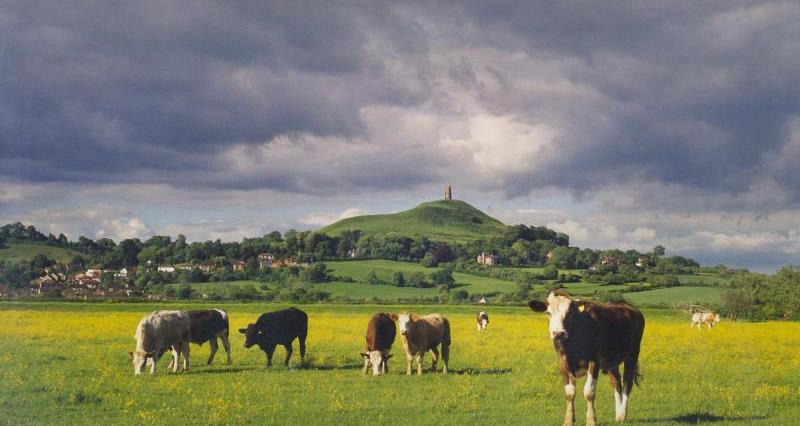
More than 80% of this region is classified as rural, one third of its countryside is protected for its landscape quality and 10% of UK farms are found in the South East.
Farming helps to deliver a high quality of life for the people of this region, providing a diverse range of foods and cherished open spaces.
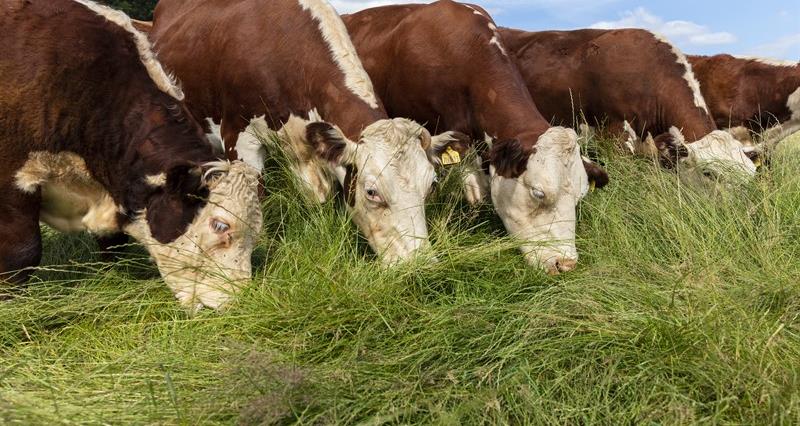
Farmers and growers provide us with nearly two thirds of all the food we consume and almost three quarters of indigenous-type foods - foods that can be grown or reared in our temperate climate. These include fresh produce ranging from apples and pears to salad crops, milk, beef, lamb, pork, poultry meat, eggs and wheat. And farmers and growers are constantly responding to a changing marketplace, producing new products according to consumer demand.
In the climate of the South East, they can deliver almost any food product that can be commercially produced, including the finest champagne-style sparkling wines.
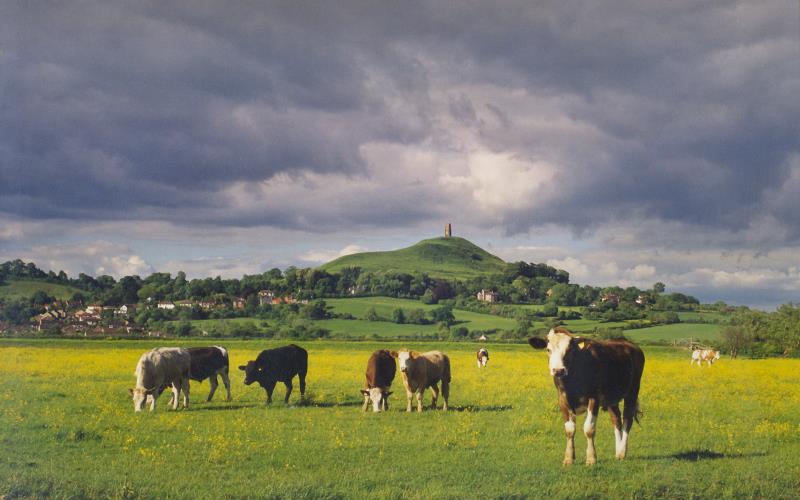
Farmers and growers are custodians of the beautiful scenery in the South East and profitable agriculture is essential to the management of the countryside that we can all enjoy. Farmers play a significant role in caring for the wooded, medieval landscapes of the High Weald to the chalk hills of the South Downs and the Chilterns or the lowland heaths of Surrey and the New Forest. Many landscape features, such as hedges and stone-walls, are the products of centuries of farming.
Did you know?
- Agriculture and horticulture employ 50,000 people in the region
- Seven tenths of land in the South East is farmed
- The region is a hub for the food processing sector
- Farming is the backbone of a thriving rural tourism sector
- The main farming types in the region are arable farming and horticulture
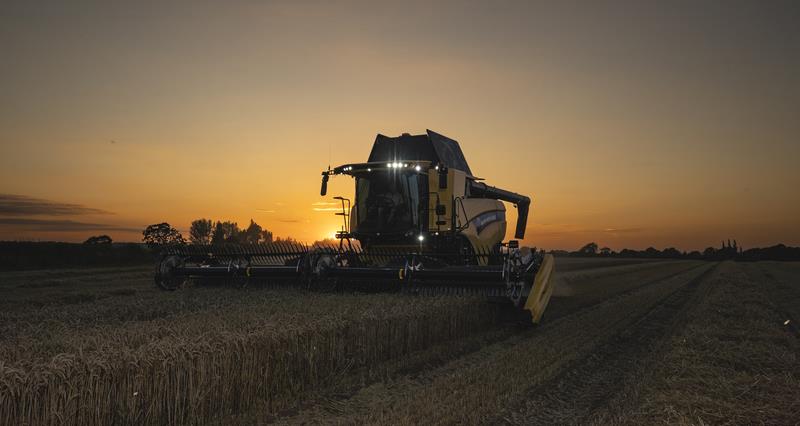
Arable farming is found throughout the region - it is the growing of cereal crops, oilseeds and other combinable crops. Combinable crops are crops that can be harvested by a combine harvester. They include field peas and lupins which can be harvested when dry for inclusion in animal feed.
South East England is also a major centre of production for horticulture - the growing of vegetables, fruit, flowers, salad crops and nursery stock. The industry takes in the orchards of Kent to the plant nurseries of Surrey, the sophisticated glasshouses of the West Sussex coastal plain and the salad growers of the Isle of Wight. The region's coastal zones have a mild, maritime climate with high winter light levels which are ideal for the production of crops under glass.
The underlying geology and soil type may dictate the kind of farming activity that farmers are engaged in, to a degree. Lighter soils, for example, are preferred for cereal growing. In today's global marketplace, and faced with a changing climate, UK farmers must make tough business decisions about the way they farm and the commodities they produce.
Incomes in the South East are above average so inevitably when farmers go out of business, farm properties and land can command a high price. Sadly, pockets of farmland may be sold for development and traditional land management may cease when farmland changes hands.
Urban fringe farmers often find themselves guardians of the green belt, but farming can prove tricky in developed areas.