This marks a delay from the initial plan to begin the public consultation on the strategy in autumn 2025.
The forthcoming strategy – which is now being called the ‘Circular Economy Growth Plan’ – will be based on the work of the Circular Economy Taskforce.
Circular Economy Taskforce
The Taskforce was established in December 2024 to design the first framework for England’s transition to a circular economy.
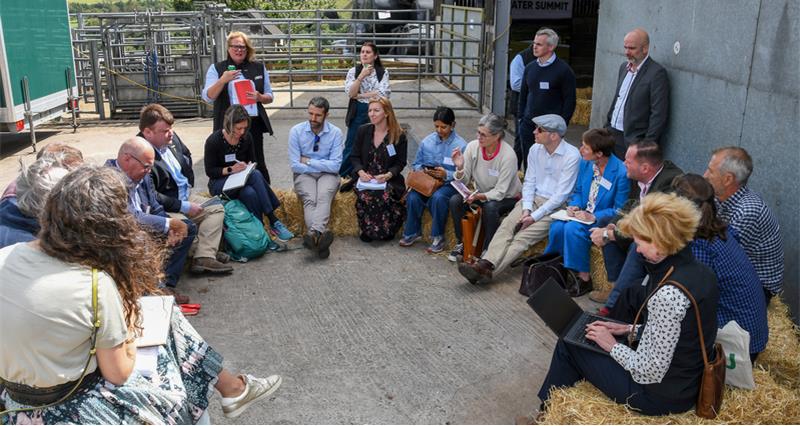
Chaired by Andrew Morlet, former Chief Executive of the Ellen MacArthur Foundation, the taskforce has spent the past year engaging with industry, local authorities and environmental groups to develop sector-specific ‘roadmaps’ for reforming material use and supply chains.
Agri-food roadmap
The taskforce identified five priority sectors where circular principles could deliver the most significant environmental and economic gains:
- textiles
- transport
- construction
- agri-food, and
- chemicals and plastics.
Each roadmap will include specific actions, timelines, and policy recommendations to drive circularity within the sector.
Moving away from a throwaway culture
In the announcement of the priority areas, former Defra Secretary Steve Reed said that the government had vowed to “end throwaway culture” and “make reuse and repair the norm”. Andrew Morlet, chair of the Circular Economy Taskforce, said at the time: “Transitioning to a circular economy is an ambitious but crucial goal as this government kickstarts economic growth and turns Britain into a clean energy superpower.
“I welcome the vision set out by the Environment Secretary at this critical juncture in our journey.
“Our taskforce will bring together industry, academic and policy experts with central and local government to ensure we maximise its potential fully by creating jobs, increasing resource efficiency and accelerating the path to net zero.”
2026 consultation
Once launched, the NFU will be responding in full to the forthcoming consultation.