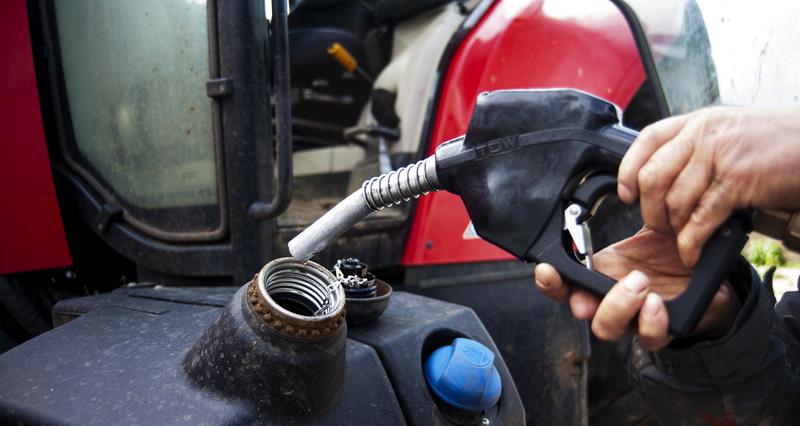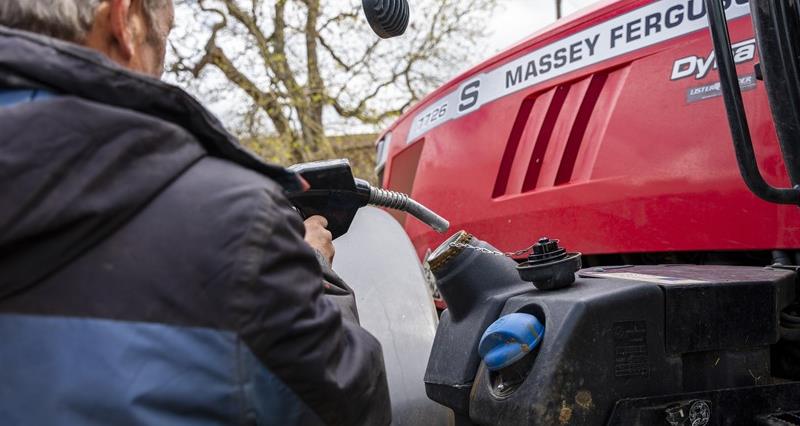
The global price of oil has spiked to more than $100 a barrel following the war in Iran and the closure of the Strait of Hormuz leading to the price of red diesel increasing by more than 70%.
Now new analysis, produced by the ECIU (Energy and Climate Intelligence Unit), is predicting that farm incomes will take a significant hit if this trend continues, based on data reported by DESNZ (Department for Energy Security and Net Zero) and the red diesel price of 117p/litre reported on 25 March by Farmers Weekly.
ECIU Land, Food and Farming Analyst Tom Lancaster warned that “farmers now faced an oil price cash crisis, just as arable farm incomes are forecast to fall to record lows after last year’s drought”. Defra’s latest farm business income forecast has projected a 67% decline in income for cereals farms, the lowest in a series dating back to 2004.
“It’s clear that red diesel must be recognised as a key foundational input in the domestic food system, itself recognised as critical national infrastructure.”
NFU President Tom Bradshaw
NFU President Tom Bradshaw warned that the price hike has coincided with one of the busiest periods for the industry. “Red diesel is hugely important, acting as the primary fuel for agricultural vehicles, which are crucial in producing the nation’s food.
“Spring is a busy period in the farming calendar when considerable volumes are being used and significant price hikes are an additional cost which will threaten the viability of farming businesses. Many farms are already operating within tight margins and simply can’t afford the increase.”
Poor transparency on pricing
Some NFU members are reporting that they are being asked to pay 84% more for red diesel in addition to reports of issues with availability at a local level, likely due to high demand as businesses secure their short-term supplies during the busy spring period.
The NFU President added: “The farming industry has had to deal with poor transparency in the pricing and supply of fuel for many years. Many of our members have told us they are only being given a price once the fuel has been delivered to the farm, making it extremely difficult to decline or challenge that price.
“The decision by the Competition and Markets Authority to monitor the sale of fuel, including red diesel, is much needed. If fully delivered, this will inject transparency into the fuel market and support farmers’ ability to plan and make decisions for the business with greater confidence.”
There is currently no recognised index for red diesel pricing and, at the moment, many farmers are often only being made aware of the price they will pay once products have been delivered on their farms.
The ECIU report predicted cereals, general cropping and dairy will be most affected due to the level of field operations they undertake across the largest areas. When taking into account other increases to input costs, such as those for fertiliser, electricity and gas, ECIU analysts concluded that “it is likely that farmers will face a significant increase in input costs this year as a result of volatility in fossil fuel markets”.
NFU response
ECIU analyst Mr Lancaster noted this is the second oil and gas price shock farmers have faced in a few years, following the war in Ukraine.
“Burning oil and gas is both driving more extreme weather and price shocks, which combine to undermine the resilience of our food security,” he added. “Reducing emissions to net zero is the only scientific way to stop climate change, but it can also reduce exposure to this kind of volatility. Reducing the use of fertilisers made from gas is just one example of steps some farmers are already taking.”
NFU President Tom Bradshaw called for greater recognition of how critical red diesel is to farming businesses: “It’s clear that red diesel must be recognised as a key foundational input in the domestic food system, itself recognised as critical national infrastructure. The NFU will continue to engage with government to ensure it has a clear picture of the impact fuel prices are having on domestic food production.”