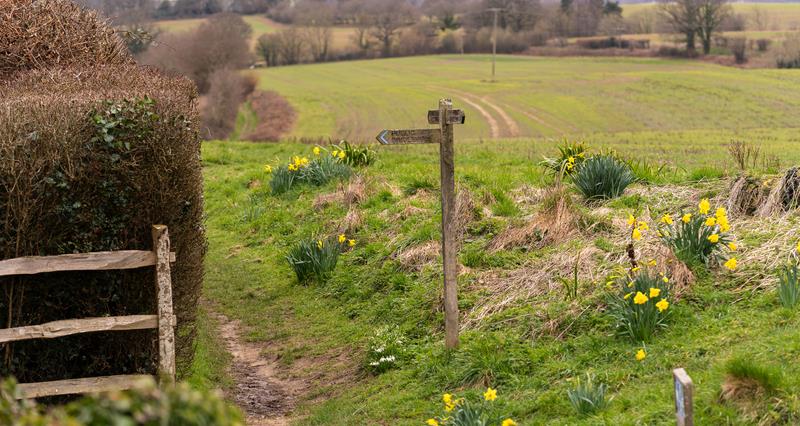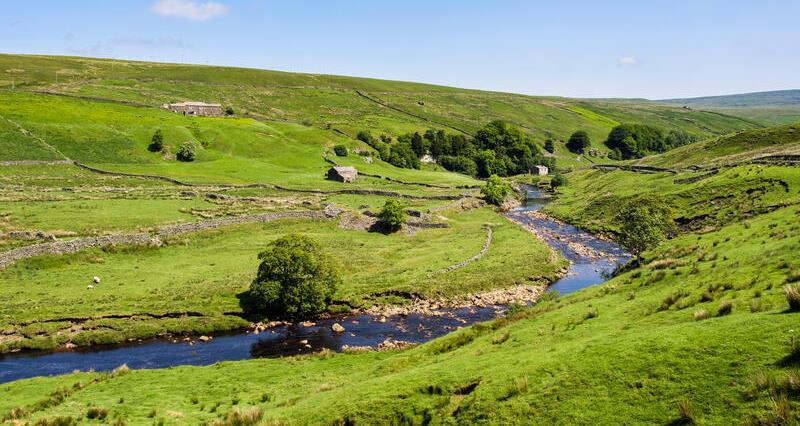
Known as the Mersey Valley Way, this first national river walk is one of nine the government has said it will create – one for each region of England.
The plans form part of the government's efforts to improve access to nature. The government has said the creation of the path will include upgrades to existing stretches of the river path, to meet accessibility standards for wheelchairs, mobility scooters, prams, cyclists and horse riders.
The NFU will look closely at the proposals for river walks and how these could affect our members.
Rights of way reforms essential
The NFU recognises the benefits of connecting people with the countryside and welcomes the promotion of responsible access to these areas through ensuring visitors adhere to the Countryside Code.
“Any plans to improve riverbank access must be undertaken in partnership with the owners, occupiers and managers of the land
NFU Deputy President David Exwood
Responding to the news, NFU Deputy President David Exwood said: “The great British countryside is more accessible than ever with over 200,000km of footpaths, bridleways and greenways. This allows the public to value and appreciate farmed landscapes, helps with wellbeing and connects people with rural areas they may never have visited before.
“Many popular rural tourist spots are working farmland, where farmers are producing food and working hard to maintain footpaths and public rights of way. We encourage everyone to observe the Countryside Code and not to cross over into damaging private property, food crops or disturbing livestock.
“We have consistently urged the government to focus on encouraging adaption and modernisation of our existing extensive network of footpaths. Despite a willingness from many farmers and land managers to be proactive on public access, this offer has never been taken up. Any plans to improve riverbank access must be undertaken in partnership with the owners, occupiers and managers of the land.”
The NFU is urging Defra to prioritise rights of way reform.
2024 saw a Boxing Day announcement on recording historic rights of way, with the government once again scrapping the cut-off date for recording these on the definitive map, creating uncertainty for many farmers and landowners amid a backlog of existing claims.
Many of rights of way reforms are essential for farm businesses including the right to divert paths for safety or security reasons. The lack of progress causes backlogs for local authorities and landowners who can have claims blighting their land for years. The uncertainty created by removing the cut-off date also leaves legitimate claims from walkers are stuck in the backlog.