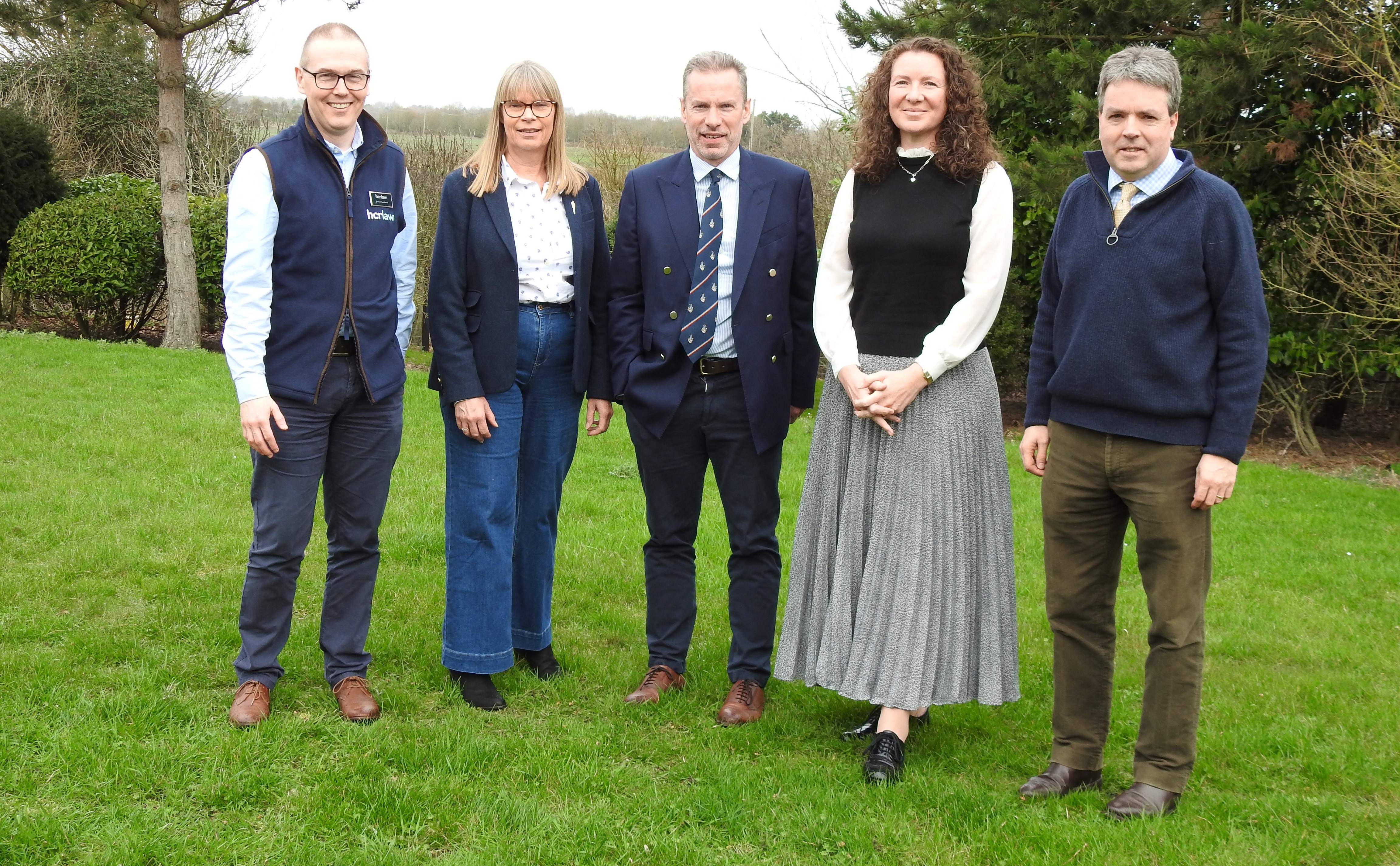
Farm businesses should plan for the long term to improve their resilience, an NFU meeting heard.
Nick Holmes from Chavereys Accountants said it was crucial to look five to 10 years ahead when assessing the health of the farm.
“The most important aspect is to look far enough ahead. Don’t just settle for an annual budget,” he said.
“If it shows that your break-even point is £200 a tonne on wheat then perhaps it’s time to consider the future of the farm.
“I’m very optimistic about UK agriculture, and I think we will be fine, but there’s no point doing something for the sake of it and losing money in the interim.”
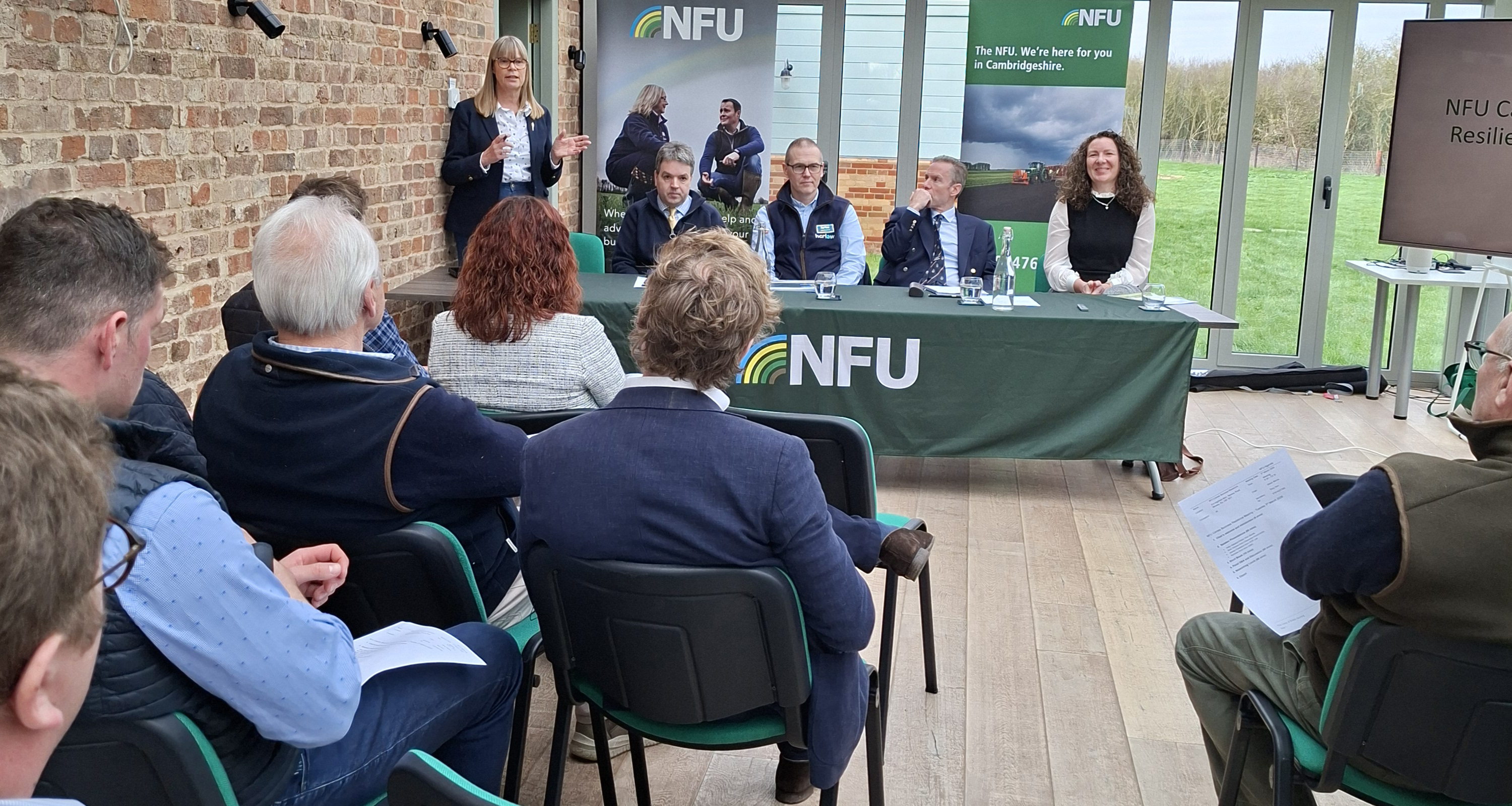
Mr Holmes was speaking at a business resilience meeting organised by NFU Cambridgeshire, taking place at Highfield Barn near Ely.
Challenges and opportunities
It brought together a panel of experts to set out and discuss the key challenges and opportunities facing farming and how to best plan for the future.
Savills Head of Rural Research Kelly Hewson-Fisher set the scene, including by highlighting the long-term attractiveness of farmland to investors. She said that only 6% of the UK is urban – an area only slightly larger than the North West - with 70% of the remainder utilised for agriculture
“Landowners and land managers are hugely important and significant,” she said.
She said land, a finite resource, was in demand to meet government targets across development, agriculture, energy and environment, so values were expected to remain firm.
After stabilisation into next year, Savills forecasts that values will begin a period of steady increases, if the strategies and plans launched this year help with policy certainty and profitability.
“It will be interesting to see how these plans and strategies make a difference and how we go forward as an industry to create a thriving future,” she said.
Legal Assistance Scheme support
James Frankland of NFU legal panel firm HCR Law highlighted how services under the Legal Assistance Scheme, including contract checking and the legal health check, could help farmers with their resilience planning.
“We can be part of the team that looks at your resilience planning. It’s important that you get all your advisers around the table, or something may be missed,” he said.
Areas to consider include the structure of the business, who owns the land and the machinery, and where the business wants to get to.
Control the controllables
The final speaker was HSBC Regional Agricultural Director Nicholas Hunt, setting out the financial considerations around resilience planning, including the factors banks look at when lending.
He said that volatility in markets was nothing new and successful businesses should be prepared to change. It was important to assess the risks, ‘control the controllables’ and to drill down into figures to know the cost of production and breakeven prices.
“Despite the challenges and uncertainties, farmers who change their businesses are often successful,” he said.
“There will inevitably be turbulence within farming, but it’s about how you manage it.”
Issues raised during a panel discussion after the presentations included the role played by water within food security, and how it was crucial for farm businesses to have a secure, sustainable supply.
The meeting was chaired by NFU Cambridgeshire County Chair Alison Morris.