
Last year’s drought should be a wake-up call on the need for farm businesses to increase water security.
That was a key message from NFU East’s water conference at Elveden Village Hall in Suffolk in January.
The event brought together farmers with representatives from the EA (Environment Agency), abstraction groups and WRE (Water Resources East) against a backdrop of a rapidly improving water resources situation following extensive winter rainfall.
NFU National Water Resources Specialist Mark Betson said the ‘doomsday scenario’ of continued drought into 2026 had not happened, but the risks of another drought in the future were high. The knock-on effects of another dry spring could be really challenging.
“We have been given a reprieve, which is an opportunity to do something about it,” he said.
Licences under review
The meeting highlighted the challenges posed by ongoing and future abstraction licence reviews and planned reforms, including new ways to regulate the water industry.
Dr Betson said: “There is a move towards rationalising licences to allow enough water to remain in the environment, meet the challenge of future abstraction and also the demands of growth, all within the context of very unstable weather patterns.”
From 2028, the EA will have new powers to vary or revoke licences without compensation, if it believes there is a risk to the environment from abstraction. Some licence reviews are already taking place to prepare for that change.
Steve Moncaster, managing director of NEFF (Norfolk Environment Food and Farming), highlighted the work his organisation, formerly BAWAG, has undertaken to help abstractors.
“We’re looking at a period of 10 years where licences are going to be reduced in large parts of England. In some areas they will be really significant,” he said.
Helping abstractors in the Broads
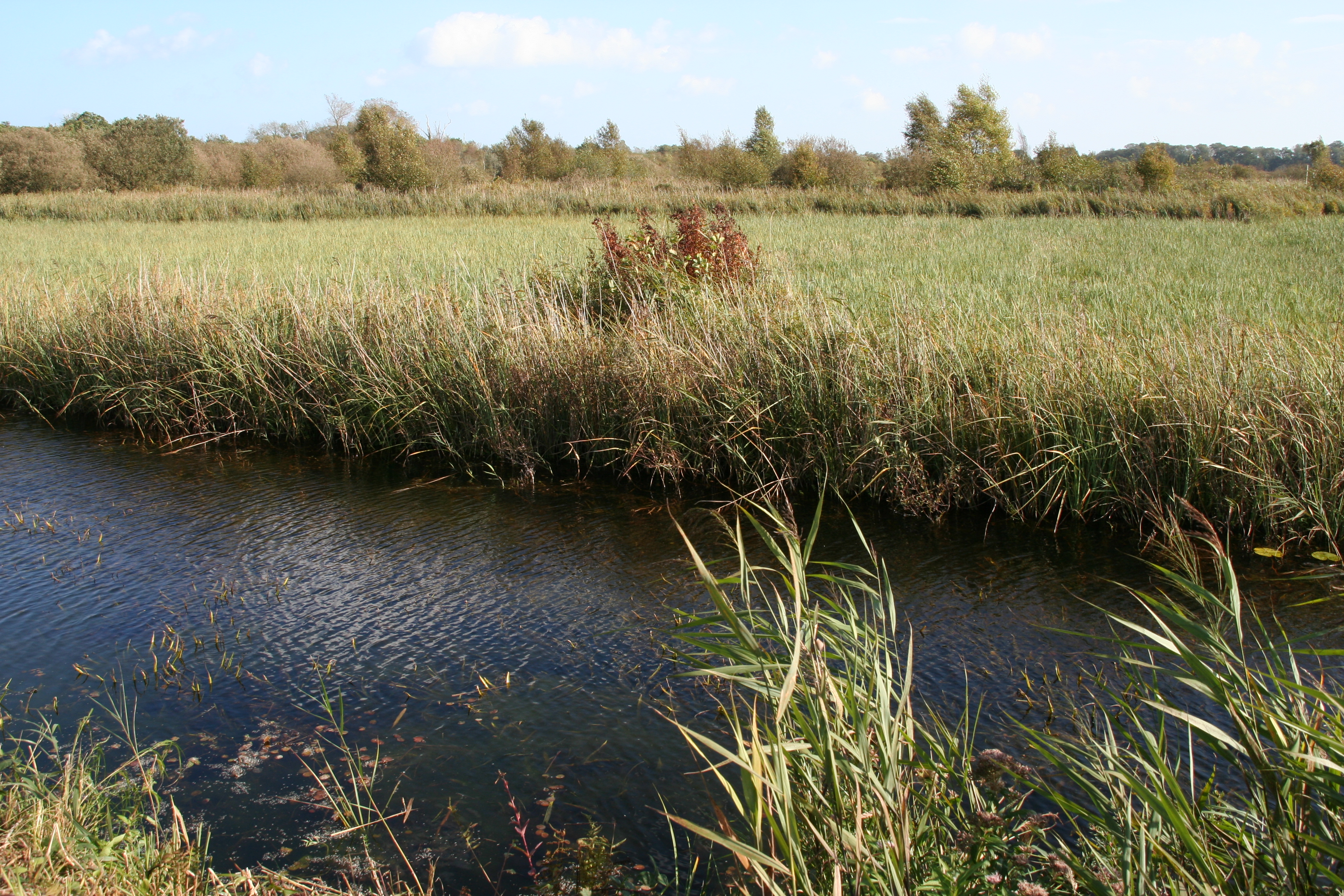
Mr Moncaster said that 100s of licences were potentially involved in the Norfolk Broads, where reductions are being driven by the Habitats Directive. Working with East Suffolk Water Abstractors Group, NEFF looked at the potential economic impact of these licence reductions.
“A 30% reduction in licence abstraction in the agrifood sector in Norfolk and Suffolk over 20 years would cost £2.5 billion and around 2,500 jobs. The licensing changes coming towards us matter because there is a lot of economic value at stake,” he said.
NEFF was undertaking more modelling to develop alternative licence reduction plans. Mr Moncaster said that decisions taken around water company abstraction were crucial.
Modelling showed that a small increase in licence reductions for water companies would greatly reduce the impact on agricultural abstractors within the two counties.
“If you put a bit more pressure on public water supply, then the agricultural sector retains a lot more water for itself,” he said.
“As opposed to costing the sector £2.5 billion and 2,500 jobs, or £1 million for a business to build a new reservoir, a water company customer might have to pay £5 a year more on average.
“As a water abstractor group, we can make these arguments in a cross sector regional planning process because we have done the work.”
Seeking smart solutions
Teresa Meadows of WRE discussed a smart abstraction trial taking place with abstractors in the Upper Cam catchment in Cambridgeshire. This aims to use monitoring of river levels, with readings every 15 minutes, to determine when water can be taken.
Abstractors will be able to access the information via an app in real time, rather than having to wait for written notification from the EA that abstraction is possible.
If successful, the scheme will be rolled out to other catchments.