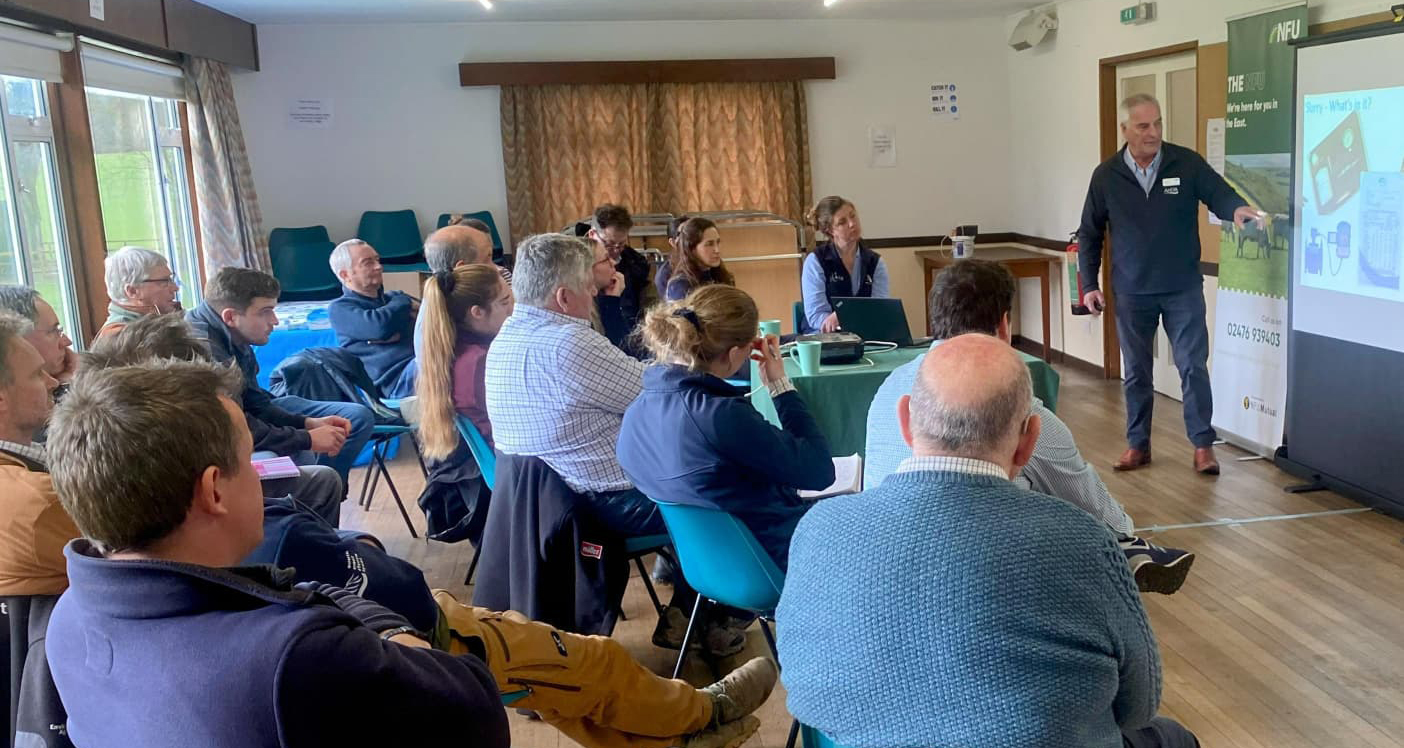
Each meeting involved speakers from across the sector. NFU Environment and Land Use Adviser Polly Lawman opened each session with an explanation of what policy changes were occurring and how the NFU was responding, ensuring the voice of the farming sector is heard in all relevant consultations.
Matthew Woodhatch from the EA (Environment Agency) provided members with a reminder of what to expect if they have an inspection.
With EA inspection targets increasing, this provided a useful insight for members. His key piece of advice was to not be afraid to pick up the phone and speak to the EA. It wants to work with farmers to arrange a convenient time for any inspection and to find useful solutions to any issues that are identified.
The separation of clean and dirty water is the biggest cause for non-compliance. However, soil testing and having up-to-date nutrient management plans came in second and third place.
The AHDB session had a more practical focus on slurry management, and ‘managing your liquid asset’. Advisers Emily Udall and David Ball demonstrated worked examples of managing rainwater on farm to save on slurry storage, as well as information on slurry covers to reduce ammonia emissions.
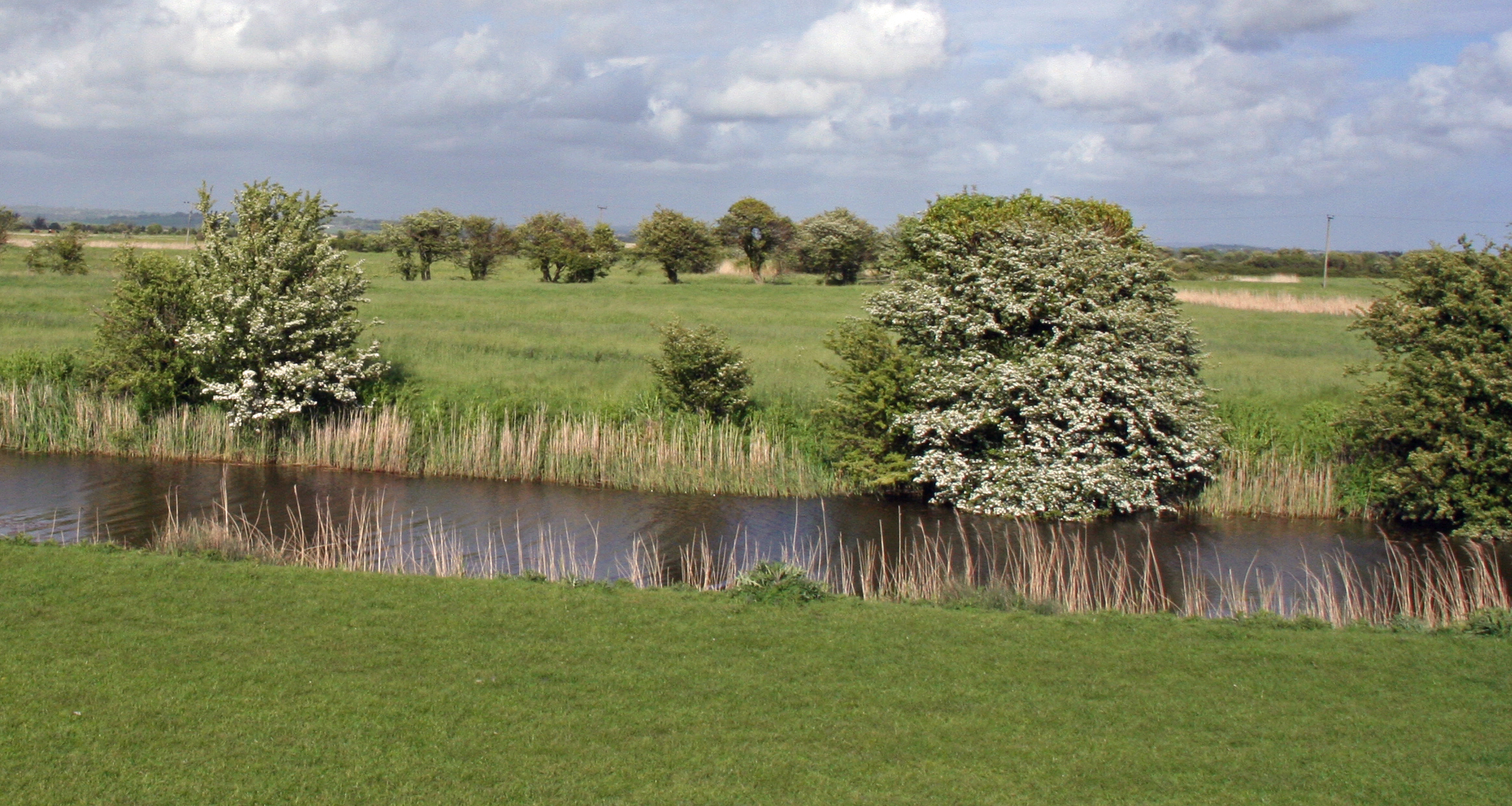
Representatives from South East Water, SES Water and Thames Water explained the importance of managing diffuse pollution for public health and water quality.
Although the focus differed by catchment and water source, the common theme was that responsible management of soil and inputs from farmers is critical to managing water quality. All companies offer support for farmers and are keen to engage with members to understand what might be useful for them on their farm.
Finally, South East Rivers Trust gave a summary of some of the work that it undertakes with farmers to improve rivers and catchments in its area. The trust is keen to work with members to understand what projects might help them on their farm, while providing benefits for nature and water quality.
The Surrey meeting was joined by Regional Livestock Chair Hugh Broom, who demonstrated a HANNA water testing kit. In under a minute, Hugh was able to demonstrate how to input a water sample to get an instant reading of phosphorous levels in his water.
These kits are available online and can be purchased to measure a range of different elements, including pH and nitrogen.
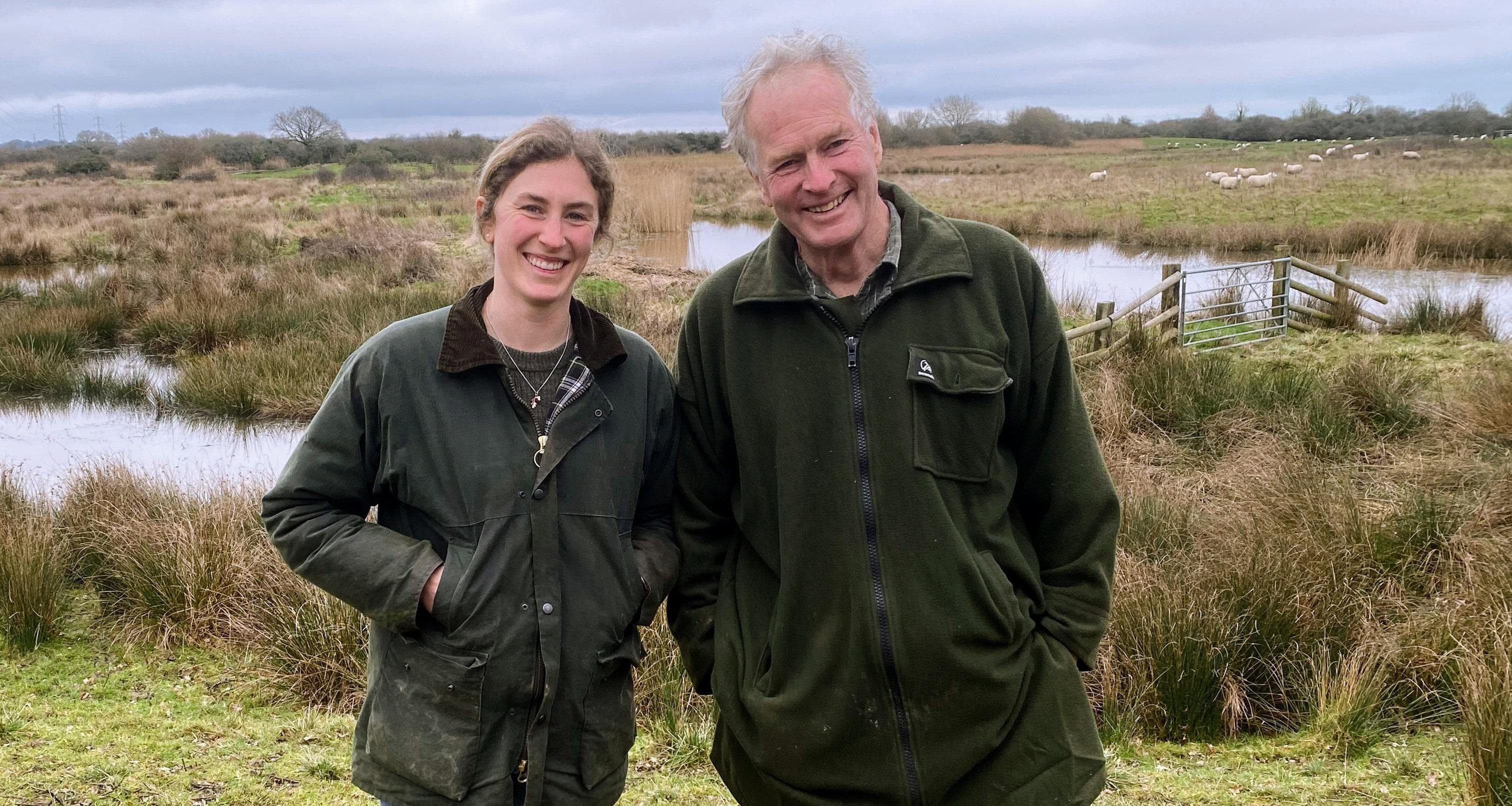
To finish the East Sussex meeting, County Chair Martin Hole (pictured with his daughter Romney) demonstrated some of the work that he has done on his farm to restore areas of wetlands to the Pevensey Levels.
In just four years, the scrapes had regenerated into a biodiversity rich wetland habitat, home to a host of ducks, dragonflies and wetland plants.
Useful resources for members
A number of online tools and websites were highlighted in the meeting which may be useful for members.: