NFU responds to bTB cases in wild beavers

The NFU is seeking answers after bTB was found in two wild beavers in the south of England, including what the cases could mean for farmers and future beaver policy.
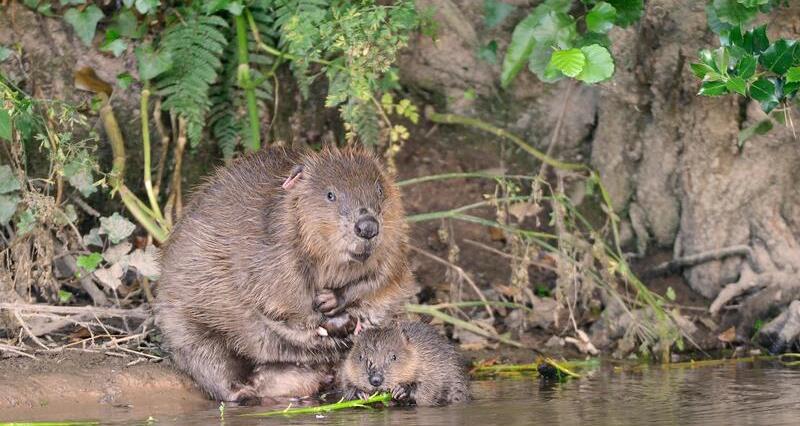
The first UK bTB cases in wild beavers have been confirmed by APHA following examinations carried out through Natural England’s wildlife surveillance programme.
The first case was identified in autumn 2026. A second was identified after a review of more than 70 earlier beaver post-mortem reports, including one collected in spring 2025.
APHA is investigating the circumstances of the infections and any wider implications. It is working with Natural England to review risk assessments and management plans for beavers in England.
NFU seeks answers on bTB and beaver policy
NFU Deputy President Paul Tompkins said: “The NFU has been made aware of these reports and understand they will raise many questions for our members.
“It is important that we now establish the source of infection and any potential transmission routes, and what the implications are, if any, for cattle, livestock and other wildlife.
“While the risk to cattle is assumed to be low, news that beavers are also a vector for bTB will be concerning for farmers with existing beaver populations growing in England and government supporting their expansion and co-existence.
“It will raise questions about why this risk was not fully considered before beaver reintroduction projects were permitted, and how this will influence future beaver policy and decisions.
“It is therefore vital that bTB risks are incorporated and inform the long-term management plan for beavers, reintroduction licencing, and guidance.
“Any projects planning to reintroduce beavers must ensure that bTB is included in the risk assessments and consulted on with farmers, ensuring that the impacts on food production and farm businesses are fully considered before further releases take place.
“We will be seeking further information from the relevant authorities and will continue to monitor the situation closely to ensure lessons are learnt for future projects.”
Further bTB information
Farmers can find further information about TB in wildlife, including routes to species-specific guidance, on the TB hub’s TB in wildlife page.
Find more on NFUonline