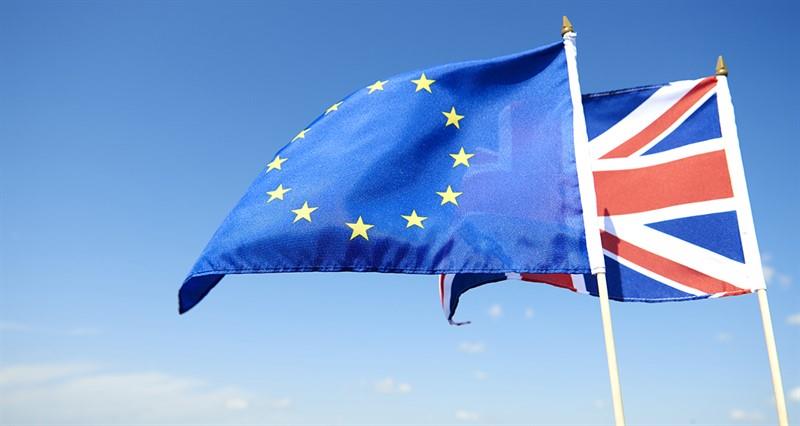
Implementation key to delivering benefits of UK-EU agri-food deal, says NFU
The NFU says the UK-EU SPS Agreement must be implemented pragmatically and is urging the government to level the playing field for British farmers and deliver on its pledge that ‘food security is national security’.
What you need to know
- Success of this deal will depend on practical implementation, proportionate interpretation of the rules and a strong UK voice in shaping future EU regulation.
- The deal has potential to reduce costly border friction and support agri-food trade, but reaching an agreement is only the first step.
- NFU work has secured important mitigations to give farm businesses time to adapt, protect innovation and minimise disruption.
British farming is on the frontline of the new UK-EU agri-food trade arrangements, with the success of the SPS (Sanitary and Phytosanitary) deal depending on whether the promise of increased and improved trade is realised in practice while safeguarding British farming’s interests in its implementation, the NFU has said.
The EU remains the UK’s largest trading partner for agri-food products, accounting for 75% of agri-food exports last year. Yet these volumes have fallen by more than a third since 2019.
The new SPS agreement is intended to reduce costly and burdensome border friction between Great Britain and the EU, supporting businesses that depend directly or indirectly on access to European markets.
However, it will also have implications for the many farming businesses that serve only the domestic market, whose interests will need to be taken into account as this deal is implemented on the ground.
The NFU’s preferred outcome was an ‘equivalence-based’ agreement, which it believes could have delivered many of the same trading benefits while preserving greater regulatory flexibility for the UK.
With that option not on the table, the NFU has worked consistently and constructively with ministers and officials to secure the strongest possible outcome for British agriculture under the arrangement on offer. See our asks on SPS and a timeline of our lobbying work.
This work has helped secure:
- Transition periods to prevent cliff edges, for example around the use of active substances and conditions of use, in particular retaining the use of newly approved plant protection products until future EU decisions on their use.
- Provisions to safeguard the operation of England’s Precision Breeding Act until the EU’s New Genomic Techniques framework becomes fully operational.
- Recognition of the importance to have meaningful mechanisms for UK participation in the development of future regulations.
- Six new agricultural trade specialists dedicated to increasing UK exports to the EU – three new attachés based in Europe and three regional development advisers focused on food and drink, along with a commitment to future promotional events.
“Reaching this agreement is only the beginning. Its success will ultimately depend on how it is implemented and the UK government's ability to influence future EU rules that work for British farmers.”
NFU President Tom Bradshaw
Success depends on government's influencing powers
NFU President Tom Bradshaw said: “British farming was always going to be on the frontline of any new UK-EU agri-food trade arrangement. That’s why we’ve pushed from the very beginning for this deal to improve trading conditions for importers and exporters, while supporting growth and innovation and ensuring businesses have enough time to adapt to new rules. We welcome the efforts from ministers in prioritising these areas within the negotiation.
“Reducing friction and costs at the border should help farm businesses that depend on access to EU markets. However, rebuilding lost exports will take time, as in many circumstances British products have been replaced by goods from elsewhere. That’s why the appointment of three new agricultural trade specialists in Europe and a further three in England to boost exports to the EU is so important and is great news.
“Reaching this agreement is only the beginning. Its success will ultimately depend on how it is implemented and the UK government's ability to influence future EU rules that work for British farmers.”
Pragmatic approach to implementation
The NFU is seeking firm commitments from government that the agreement will be implemented in a way that minimises unnecessary cost, disruption and administrative burdens for British farmers and growers. This includes avoiding the gold-plating of EU requirements and making full use of the flexibilities and pragmatic interpretations available within the regulatory framework.
This will be critical for areas such as EU Animal Health Regulations, including bovine TB controls and vaccination policy, highly pathogenic avian influenza controls, animal welfare rules and anti-microbial resistance rules.
The NFU has identified several areas where it is seeking clarity or a pragmatic approach to implementation. These are:
- EU Animal Health Regulations, including bovine TB controls and vaccination policy, and highly pathogenic avian influenza controls.
- Organic poultry requirements.
- Veterinary medicines, including the use of metaphylactic treatment, and the design and funding of the future veterinary reporting mechanism.
- Ensuring farmers and growers can adapt to the loss of critical plant protection products approved for Great British conditions, including the effective use of emergency authorisations and mutual recognition.
It is also calling for robust democratic oversight; with effective parliamentary scrutiny of relevant EU legislation before it is incorporated into UK arrangements, for officials to strengthen their capacity to influence proposals already progressing through the EU legislative process, and to ensure effective and direct participation in future decision-shaping.
Reassurance from government
Tom added: "It’s been really encouraging to see the UK Government’s negotiators recognise the various concerns we had about this deal and secure important mitigations to minimise disruption and safeguard innovation, but this is only the first step in realising the potential of our new relationship with the EU.
“Farmers and growers will now want reassurance from government that they won't be disadvantaged by its implementation, and that the UK will be able to advocate on their behalf and influence future EU decisions.”
Recalling recent OECD figures showing the UK invests significantly less in agriculture than other economies, Tom continued: “What is often missed out of this conversation is that a closer relationship with the EU also highlights the uneven playing field facing British farmers, with the UK providing the lowest level of agricultural support in Europe.
“This is part of a much bigger picture reaching beyond the SPS agreement, but is important to recognise in the context of a competitive trading environment, global volatility and our own national security.
“Without a profitable and resilient food system, government will struggle to shift its assertion that ‘food security is national security’ beyond a soundbite and into reality, which is why it is critical the resilience of our food system features in the Prime Minister's 10 year strategic plan .
“As implementation of this agreement moves forward, the NFU will continue to work closely with government to ensure that costs and disruptions are minimised and the benefits of the agreement are realised in practice – enabling the competitiveness, innovation and future resilience of British food and farming.”
More from NFUonline:
UK-EU Summit: What the agri-food deal means for you