The NFU Conference at the ICC in Birmingham is a key event in the farming calendar and brings together farmers and growers, politicians and policymakers, and key industry stakeholders for two days of debate and discussion.
As you will be all too aware, the last year has seen business confidence fall to an all-time low as we deal with a combination of cashflow issues, a poorly delivered agricultural transition, ongoing geopolitical instability and the increasing impact of weather events locally and globally.
Alongside this has been the cloud cast over the industry by the pernicious inheritance tax proposals, which has been significantly eased but far from removed.
Set against the backdrop of these ongoing issues both domestic and global, there is a powerful case for government to create a positive climate for investment in domestic food production.
The result of growing and producing more food at home will be seen in more jobs, increased food resilience and security, better managed environment and assured food supply and standards for the nation’s consumers.
This year’s Conference focuses on what is needed to create that positive climate and a resilient and sustainable future for agriculture and horticulture where farmers and growers have the confidence to invest for the long-term.
Our sessions will focus on building farming’s resilience: resilience in food production, resilience in trade, resilience in the supply chain, and how data and AI can help boost resilience.
Our line-up of speakers will provide a wide range of perspectives on what resilience means and how it can be achieved. I hope that throughout the Conference profitability will be a recurring word because financial resilience needs to be the core priority.
A look at day one
Day one starts with Professor Tim Lang, Professor Emeritus of Food Policy, City St George’s, University of London, addressing one of the key questions at the heart of the resilience debate – are we taking food resilience seriously?
The second session will see Harry Smit, Senior Food System Analyst at Rabobank, looking at farming resilience from an international perspective and how the transition of the global food system impacts business models throughout the supply chain.
After lunch, the spotlight will be on trade, with Dmitry Grozoubinski, Director of ExplainTrade, and Gail Soutar, the NFU’s Head of Trade and Business Strategy, looking at how trade can help build farm business resilience.
Our final session in the main conference hall on day one will be an address from, and Q&A session with, Defra Secretary of State Emma Reynolds. Given the current economic challenges the sector is facing, I am sure Conference will listen with interest to what the Secretary of State has to say and there will be plenty of questions about how the government plans to create a resilient future for British food and farming.
Day one will then close with our break out sessions which will look at resilience from a range of sector-specific viewpoints.
Day two agenda
Day two of Conference begins with Ashwin Prasad, UK CEO of Tesco, leading a session on building resilience in the grocery supply chain.
This will be followed by what promises to be a thought-provoking session as Tim Gordon, Founder of Best Practice AI, David Speller, CEO of Optifarm, and Professor Jasmeet Kaler, Professor of Epidemiology and Precision Livestock Informatics at the University of Nottingham, look at what role data and AI can play in resilient farming.
Day two will finish with a panel session where four NFU members will discuss what they have done to improve resilience in their businesses.
I hope you have a thoroughly enjoyable Conference and that the sessions entertain you and provide you with an insight into how we can work together to build a resilient future for farming and food production.
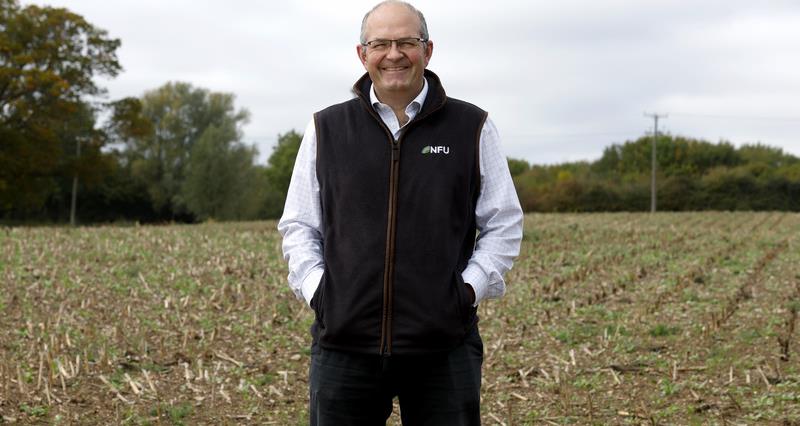
Tom Bradshaw, NFU President
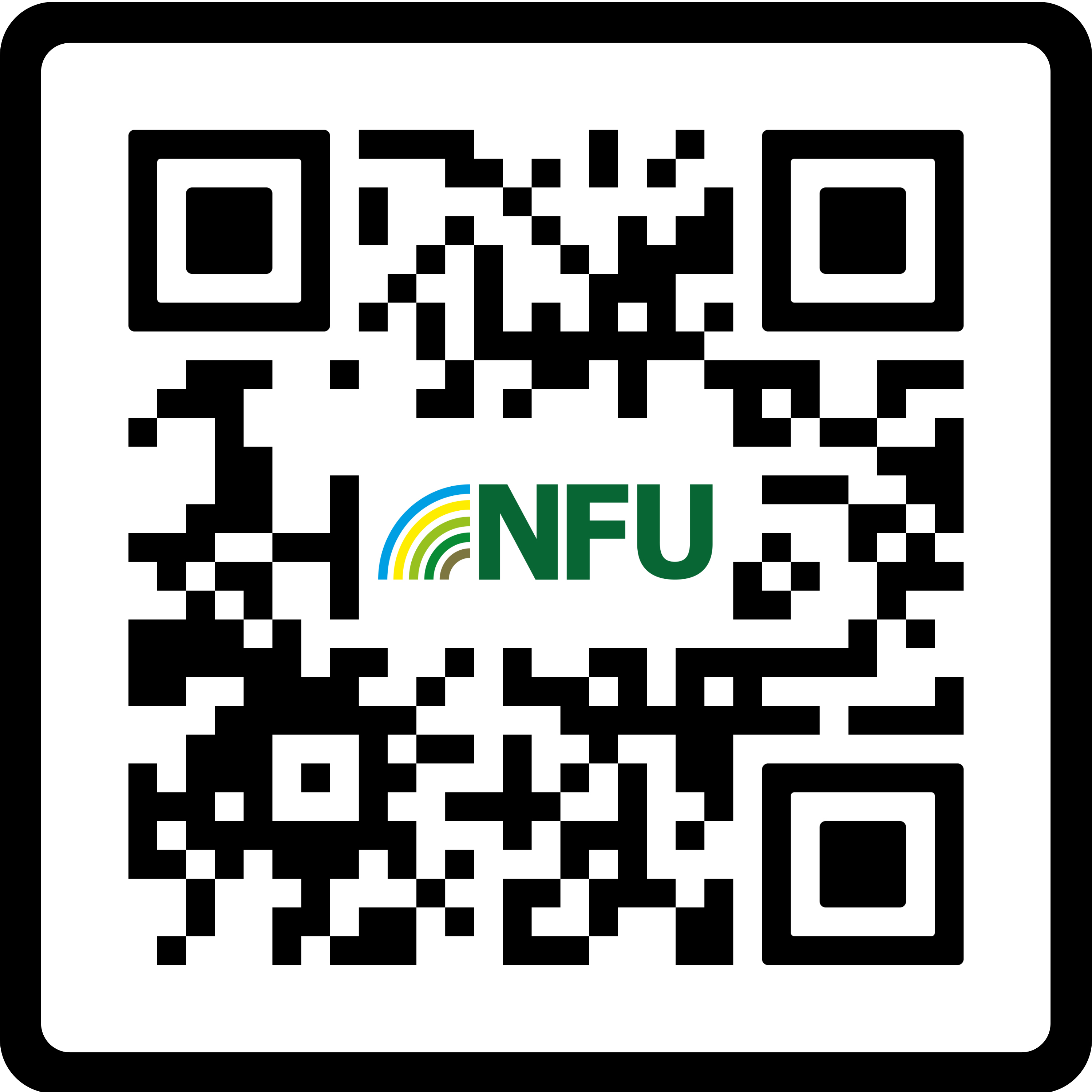
Scan this QR code to download the NFU app
Download the NFU app to get the most out of NFU Conference.
You'll find key on-the-day information and reports from all the sessions.
Plus... switch on your NFU app notifications to get updates of the key Conference moments.
To download, scan the QR code or visit the Google Play or Apple App Store.