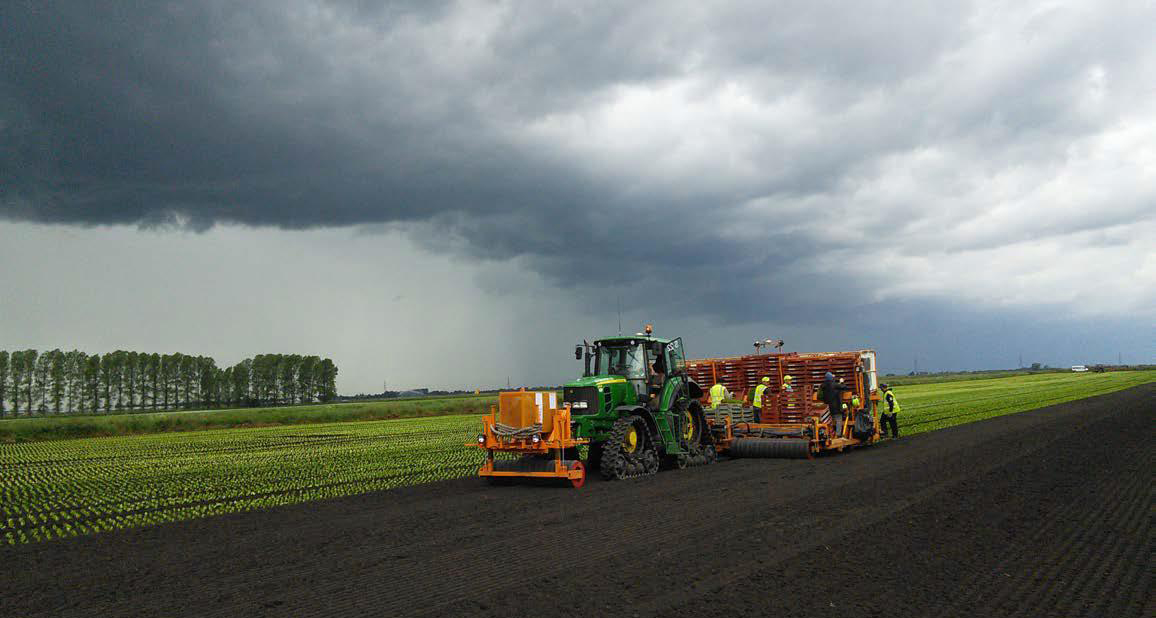
The Fens 2100+ Case for Change report says the impact of climate change is putting increased pressure on the ageing flood, coastal and water management infrastructure that protects homes, businesses and productive farmland across this unique landscape.
It warns: “The risks of delay are stark. Without urgent and sustained investment, the Fens’ critical flood and water management infrastructure will continue to decline, placing communities, businesses, and the environment under unacceptable and escalating threat.”
It calls for urgent, partnership led action and a system wide approach to investment to protect people, support food security and secure a climate resilient future for the Fens.
It says the Fens is an area of enormous regional and national significance that:
- contains 48% of England’s Grade 1 agricultural land
- produces a third of England’s vegetable crops
- supports 80,000 jobs in the food supply chain
- holds more than 4,000 cultural heritage assets
- includes vital transport and energy infrastructure
- provides £500 million of natural capital benefits annually.
Failure to safeguard this region would threaten this value, and the lives and livelihoods of more than 600,000 people.
The report is the work of a partnership comprising local authorities, IDBs, Anglian Water, regional flood and coastal committees, the Environment Agency, the Association of Drainage Authorities, Natural England, the Middle Level Commissioners and the NFU.
NFU East Environment and Land Use Adviser Rob Wise said: “This report sets out the scale of the challenge and what’s at stake if we fail to act to protect this iconic landscape. Business as usual isn’t an option.
“What happens in the Fens is of national importance. Some of the highest value crops in horticulture are grown there, including salad crops, potatoes and onions.
“We simply couldn’t keep supermarket shelves stocked with that variety of produce if it wasn't coming out of the Fens. The NFU’s involvement in this project from day one has ensured protecting farmers’ and growers’ ability to continue to produce is core to the aims of future flood risk plans.”
Watch Rob Wise discussing the importance of the Fens for food
Fens 2100+ programme director Amy Shaw said: “From the baseline reports that Fens 2100 has published, and all the evidence underpinning that, we can see that there's a real urgency to work together as a partnership to respond to the challenges that we see today.”
The Case for Change report draws on extensive work over the past three years by the Fens 2100+ partner organisations and earlier work establishing the baselines that the NFU has been centrally involved with.
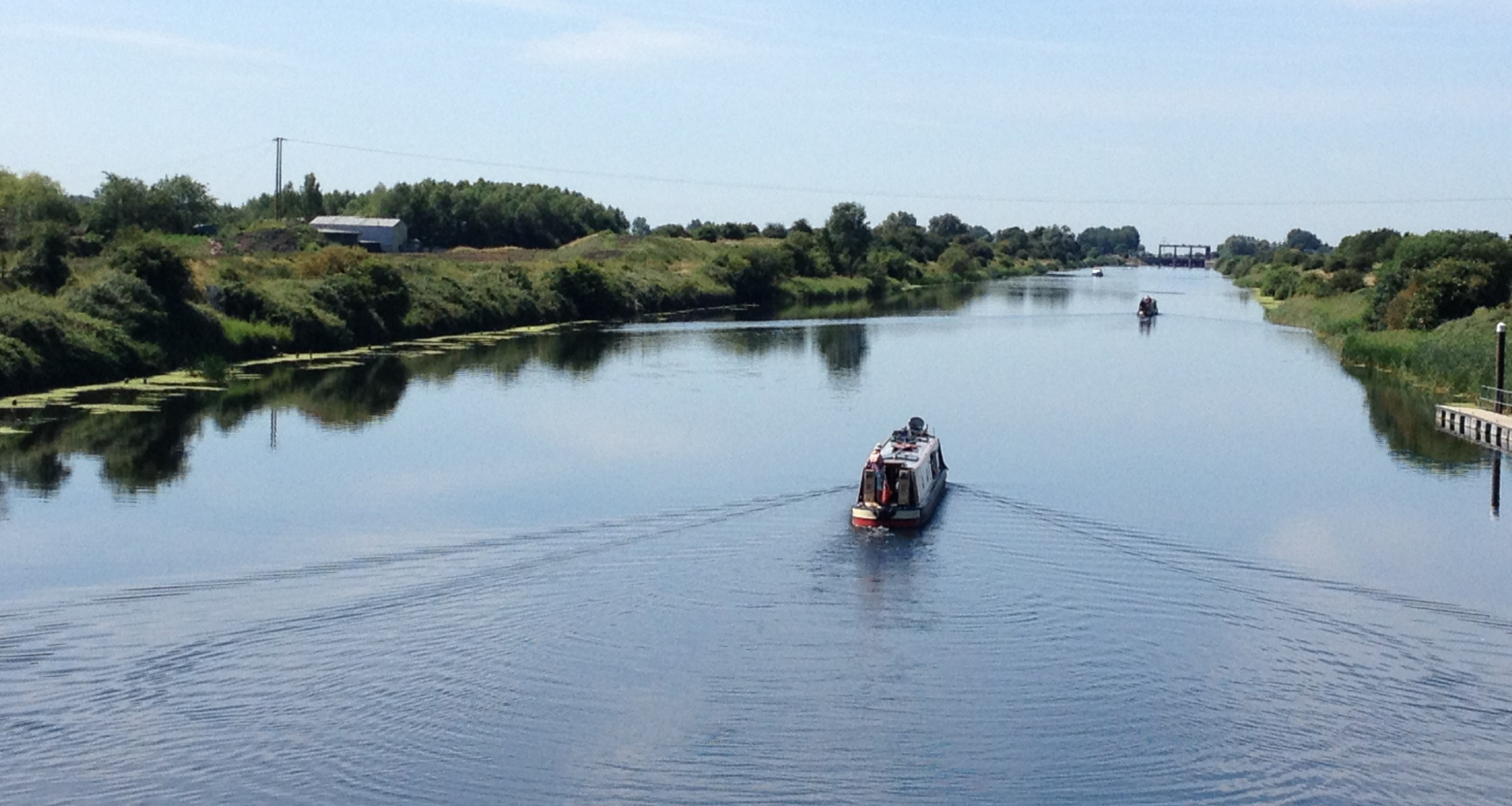
It highlights how the Fens, much of which is below sea level, is dependent on an integrated network of tidal and main river defences, flood storage areas, and pumping stations, watercourses and sluices that drain the low-lying land.
These are coming under increasing pressure through climate change, with extreme weather events bringing higher peak flows in rivers, increased surface water, more frequent and severe droughts and increased heat risk.
By 2040, 31% of this network is predicted to be beyond the end of its foreseeable design life.
“This report sets out the scale of the challenge and what’s at stake if we fail to act to protect this iconic landscape. Business as usual isn’t an option.”
NFU East Environment and Land Use Adviser Rob Wise
The report says that investment of between £6 billion and £9.4 billion will be needed to protect the region and allow for regional growth, with half of this investment required within the next 40 years.
It proposes a 17-point plan, with two years of planning followed by a decade of action. The aim is to identify the critical interventions needed to address immediate risks, while laying the foundations for long-term transformation.
Work around enabling farmland reservoirs, to support integrated water management approaches and a dependable supply of water, forms part of the plan.
The report states: “With long lead-in times required for major investment and system upgrades, the window for action is now. Delay will only escalate costs and compound risks for communities, businesses, and the environment.”
- More information is available at Fens 2100+: Case for Change and Partnership Action Plan - GOV.UK