‘Resilience works both ways’ in tenanted sector, says NFU Vice-president
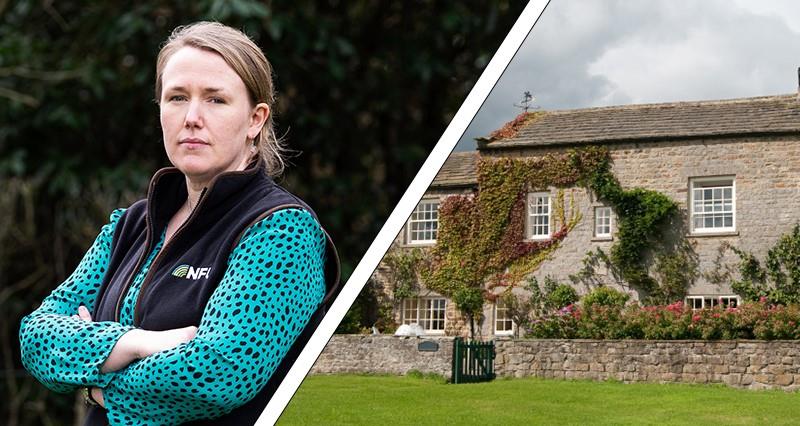
Photograph: NFU/istock

Robyn Munt
NFU Vice-president
The NFU works closely with landlords and representative bodies to strengthen the tenanted sector. Reflecting on her attendance at the Farm Tenancy Forum on 20 October, NFU Vice-president Robyn Munt explains why resilient farm businesses and estates depend on long-term, collaborative partnerships.
We talk a lot about building resilience in farming. But for the tenanted sector, resilience cannot sit solely on the shoulders of the farmer.
A resilient farm business strengthens the estate it sits within. Equally, a landlord taking a long-term approach to their portfolio can give tenant farmers the confidence to invest, adapt and build businesses fit for the future.
That is why the NFU’s engagement with landlords matters.
There are huge expectations on farming. We need to produce food profitably while responding to volatile markets, changing government policy and a more unpredictable climate.
At the same time, farmers are being asked to invest in productivity, improve environmental outcomes, and consider new opportunities for their businesses.
Those pressures make the relationship between landlord and tenant increasingly important.
“Bringing neighbouring tenants together can unlock opportunities which individual businesses cannot achieve alone – from shared infrastructure and environmental projects to knowledge exchange, diversification and relationships with the supply chain.”
NFU Vice-president Robyn Munt
Building confidence to invest
For me, the starting point is an honest partnership.
If we want farmers to invest for the long term – whether that is in soils, water, buildings, technology, environmental improvements, or diversification – they need sufficient confidence that they will benefit from making that investment.
That means having honest conversations about who invests, who carries the risk and who receives the reward.
It should not automatically be assumed that either landlord or tenant carries that responsibility alone. Where an investment improves both the farm business and the underlying asset, there should be scope for a more collaborative approach.
Sometimes the most useful thing a landlord can do is simply ask a tenant: “what are you trying to achieve with your business, and what is stopping you?” The barriers will be different on every farm, but landlords could unblock some for the benefit of both.
The power of connected estates
There is also a bigger opportunity for landlords to act as conveners across their estates.
Bringing neighbouring tenants together can unlock opportunities which individual businesses cannot achieve alone – from shared infrastructure and environmental projects to knowledge exchange, diversification and relationships with the supply chain.
“Successful landlord-tenant partnerships need viable farm businesses at their heart. Food production, profitability, and environmental resilience should reinforce each other rather than compete.”
NFU Vice-president Robyn Munt
NFU’s support
The NFU plays an important part in this ensuring the Farm Tenancy Forum creates the necessary sector guidance and frameworks.
The NFU also works with landlords to explore and encourage collaborative relationships, and supports bringing farmers together with landlords, helping turn good intentions into things that work on farms.
Who farms the land next?
And then there is perhaps the biggest resilience question of all: who farms the land next?
Generational transition needs to be part of the conversation. We need established farmers to be able to plan positively for succession or retirement, while creating realistic opportunities for ambitious people coming into the industry.
Landlords have an important role in enabling that transition rather than simply responding when circumstances force it.
Building resilient estates of the future
None of this means lowering commercial expectations. Quite the opposite.
Successful landlord-tenant partnerships need viable farm businesses at their heart. Food production, profitability, and environmental resilience should reinforce each other rather than compete.
The strongest estates of the future will not simply be collections of well-managed assets. They will be home to confident, adaptable, and profitable farming businesses and as an industry we must encourage ambitious partnerships.
Resilience works both ways – and the best chance of achieving it is by building it together.