Trade with Thailand – government launches consultation into potential free trade agreement
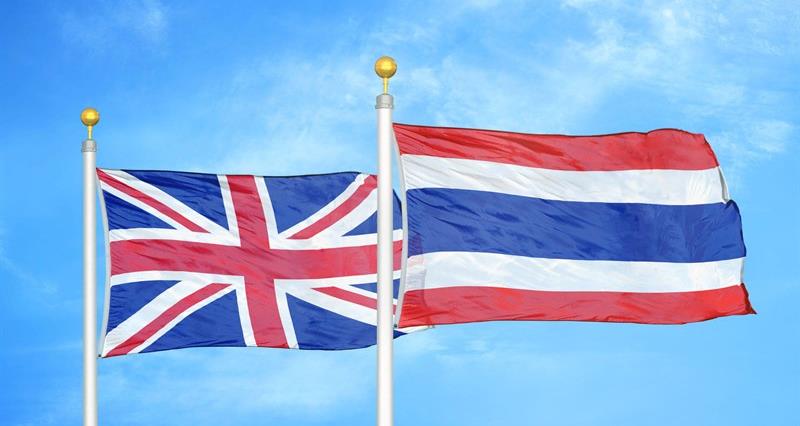
Photograph: Aleks Taurus / Alamy Stock Photo
The NFU explores the opportunities and challenges a UK-Thailand free trade agreement presents to the farming sector at the launch of a new consultation.
Summary
- 24 November 2026: Government launches consultation.
The government has launched a consultation into a potential FTA (free trade agreement) between the UK and Thailand.
At this early stage of the process, government are assessing the future trade opportunities that a potential agreement would offer.
Keep track of the consultation and the NFU’s response on this page.
UK-Thailand FTA – what would it mean for UK agriculture?
An FTA with Thailand provides the UK agrifood sector with significant opportunities, from its large food processing and food service sectors to its growing middle class.
NFU President Tom Bradshaw reacts to the announcement and explores what this could mean for UK agriculture.
High tariffs a barrier
There are significant opportunities for beef, lamb, pork and offal, alongside a strong demand for UK dairy products, but high tariffs are currently a barrier.
NFU President Tom Bradshaw said: “Thailand’s growing demand for high-quality British goods, such as dairy, beef, lamb and pork, presents export opportunities if current high tariffs are reduced.”
Sensitive sectors
However, an agreement should not include additional access for poultry meat and sugar beyond the TRQs (tariff-rate quotas) already granted.
Tom said: “Our sensitive sectors must be protected. Thailand is a major poultry exporter and already has preferential access to the UK market.
“A recent EU audit also found significant failings against food safety requirements within the Thai poultry supply chain – requirements which are identical to our own.
“Our government should not consider greater preferential access if they are already falling short on current requirements.
“It’s not only our poultry sector at risk. Thai sugar growers also receive government support unavailable to British producers, putting our sugar sector at a competitive disadvantage.”
Thailand is the world’s second largest sugar exporter. Increased access for Thai sugar exports could undermine UK sugar beet growers.
Drawing clear lines
Tom added: “The government must draw clear red lines in negotiations to prevent giving away greater market access and undermining domestic producers.
“We continue to call for the establishment of core standards for imports, ensuring food sold in the UK is produced to the animal welfare and environmental standards expected of British farmers.
“We will gather further evidence on impacts and opportunities over the coming weeks.”
Government launches consultation
The government is seeking views on what the UK's priorities should be for a potential UK-Thailand FTA.
This is to ensure any future negotiations reflect the needs of the UK economy.
Businesses or individuals have until 23:59 on 24 January 2027 to share feedback online.
To find out more and respond, visit: GOV.UK | Potential UK-Thailand free trade agreement