Have you been affected? Steps to take now
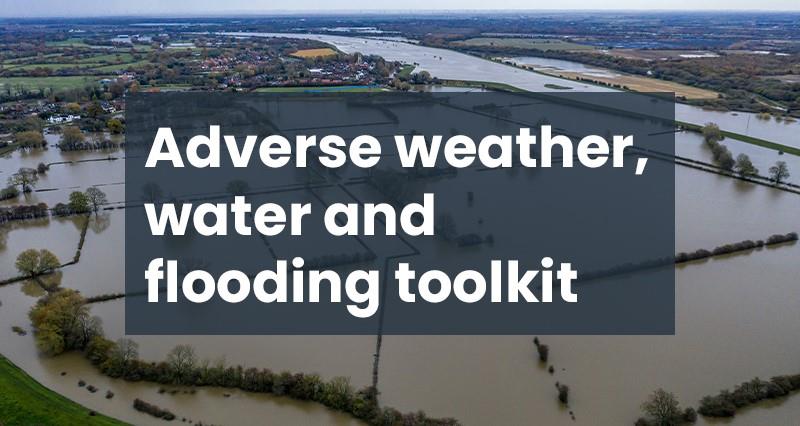
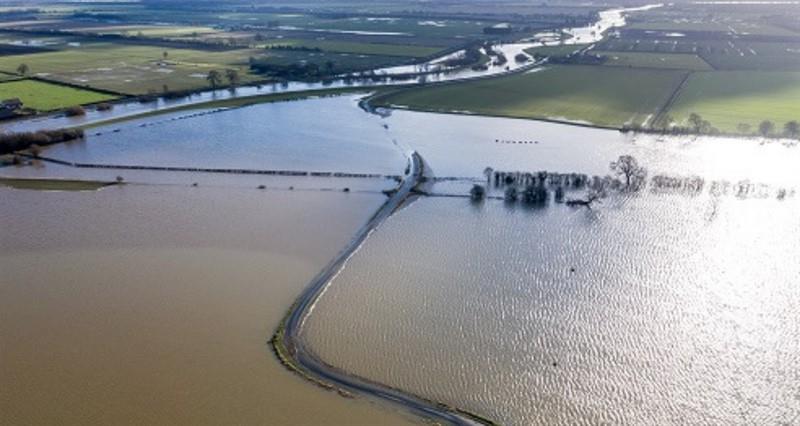
Here are the first steps to take if you and your farm business have been hit by wet weather.
Step 1 – Report and record
Report incidents to the Environment Agency incident hotline by calling 0800 80 70 60.
Remember to keep a record of what you report, and when.
You should also start to gather evidence including videos, pictures and flooding impacts on your farm separately. Take photos of everything damaged by flood water to support claims. Even low value items can amount to considerable sums when added together. Trying to evidence loss after an event can be difficult.
Step 2 – Understand the impact on schemes and services
The RPA has recently updated advice for farmers and land managers whose land has been impacted by flooding. The guidance covers government services (TB testing, animal movement), agri-environment and woodland schemes.
Members concerned about the impact of flooding on schemes and services agreements should read this guidance to understand what course of action to take.
If you think the flooding will affect your ability to meet your agri-environment scheme agreement, you should read the guidance and, if needed, contact the Rural Payment Agency as soon as reasonably practicable.
If you have concerns about the impact of flooding on a scheme such as the EWCO (England Woodland Creation Offer) that is administered by the Forestry Commission rather than by the Rural Payments Agency, you should read the guidance and if needed contact the Forestry Commission directly.
See the below for further information on:
- Funding for farmers, growers and land managers – for information on SFI, CS, ES, AND EWCO.
- Temporary measures and minor change requests
- Force majeure – given the current weather conditions the RPA have tweaked it for changes to notification in Force Majeure
- Reporting animal movements
- TB testing delays
Step 3 – Ensure you are aware of other considerations
EA advice: Slurry spreading in wet conditions
You can contact the Environment Agency to discuss options if your store is at risk of causing pollution and you cannot avoid spreading when you think there is a risk of slurry runoff, run-through to land drains or leaching, or you will breach an NVZ condition.
Watercourses
Remember your responsibilities if you are a riparian owner. Check the NFU’s Water Maintenance Solutions guidance pack for more information.
Report any issues with main rivers to the EA; issues with ordinary watercourses should be reported to an Internal Drainage Board (if in a drainage district), or to the local authority.
It is important to consider your own safety, and that of others, before carrying out any work during or after a flood. Consider risks from further high tides or high river flows before you start any work by checking flood warnings, river levels and the 5-day flood risk.
If you are clearing up after flooding or undertaking repairs in or near watercourses, then please contact EA for advice on 03708 506 506.
Recovering after a flood
The EA can help to ensure that you can undertake the necessary works to recover from flooding, using emergency provisions where possible. It will do this provided it is safe for you to do the work and the work doesn't cause any greater risk of flooding.
Download the EA's advice on what to do after a flood: Flood recovery advice for the agricultural sector
Advice for livestock farmers
AHDB has produced guidance to support farmers whose land has flooded and have specific questions around feed spoilage, assessing feed stocks, housing and animal health. Visit: AHDB | Advice for livestock farmers affected by flooding.