As British Wool’s recent sale saw the most intense level of competition in the last decade, the NFU's Livestock Board is encouraging members to take advantage of the current price increases.
Prices in the sale on the 7 October increased by 14.2% over the mid-September sale. Over the month the prices achieved in the British Wool auctions have increased by 22.5%.
British Wool says this trend mirrors the price rises that have been seen in New Zealand with global demand for quality cross bred wools outstripping supplies.
Visit: British Wool | British wool reports sharpest price increase in a decade
Higher quality product
NFU Livestock Board Vice Chair Oli Lee welcomed the news, saying: “Sheep producers will be pleased to see prices for such an iconic product reach some of their highest levels in a decade.
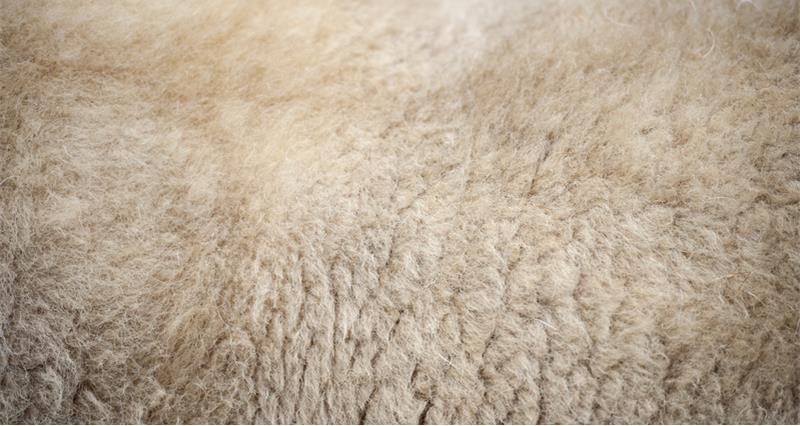
“The increases are being driven by a higher quality product than last season due to the dry weather meaning wool is whiter, strong demand and growing consumer interest.”
“With demand currently strong, we support British Wool's call for producers who still have wool on farm to send it in or arrange for collection before winter to have a better chance of getting a good price.”
NFU Livestock Board Vice Chair Oli Lee
Maximising returns
British Wool CEO Andrew Hogley said said the organisation has received a large quantity of wool from new and returning members this season, but the overall volume handled to date is running around 2% to 3% below last year.
“As a co-operative British Wool seeks to maximise the returns for all sheep farmers,” he said. “With prices having shown a further improvement over recent weeks, we encourage any members who still have wool on farm to send it in before the winter.
“If you still have wool on-farm, please contact us to arrange delivery to one of our collection centres or arrange to have it collected. By collectively marketing the clip we can continue to promote British wool and drive demand to deliver improved prices for British wool.”
Oli added: “With demand currently strong, we support British Wool's call for producers who still have wool on farm to send it in or arrange for collection before winter to have a better chance of getting a good price."