
For decades Brian Cheadle planned for his son Mark to continue working their small family farm, which produces wheat and beans. But they say an estimated inheritance tax bill of £300,000 that Mark could face will simply be impossible to pay if he is to keep the farm which, for the last 10 years, has made an average annual pre-tax profit of just £15,460.
With Mr Cheadle still working on the farm, this money includes his own wages, which he uses in support of his pension, to live on.
The NFU, Office for Budget Responsibility, Efra Committee, MPs, councils and other organisations have continued to highlight to the government that its changes to inheritance tax leave elderly farmers horribly exposed with no time to manage their way through the policy and restructure their businesses.
The NFU is urging the government to reconsider its inheritance tax plans and properly engage with the farming community before next month’s Budget.
Brian Cheadle said: “The government said, when they announced these changes, they will only impact the wealthiest farmers, but the reality is they will force small family farms like ours out of businesses.
“Why am I being targeted? I have worked hard all my life, and I have paid tax on my income all these years.There would be little option but to sell the farm.”
Worked around the clock
Brian Cheadle began working on his father John Cheadle’s tenanted dairy farm in Odell, near Bedford, at the age of 17 in the late 1950s.
He said: “Dad saved about £700 to start his own business as a tenant farmer. He worked around the clock, some nights getting by on four hours of sleep.
“If there was any problem in the village, he was always there to help. This is how we are now. We are a big part of the community and that is the case for farmers all over the country.
“These are the people being hit hardest by this inheritance tax, not millionaires buying up land just to avoid tax.”
Brian Cheadle, who served as a parish councillor for 37 years, said as his father was farming on land owned by Bedfordshire County Council, he did not inherit the land when he took over the business.
He said: “I didn’t get a big inheritance. But farming is in my blood. I keep working now at 84 and I am proud to be a farmer.”
Brian Cheadle bought the 168-acre farm from the council in 1999.
A total 120 acres are used for growing wheat and beans, with other parts of the land used for cropping hay and for environmental work which helps to prevent pollution of the River Great Ouse and supports farmland birds including lapwings and cranes as well as geese, foxes, badgers, deer and insects.
The government first announced its plans to reform Agricultural Property Relief and Businesses Property Relief in last year’s Autumn Budget.
If the plans go ahead, from April 2026, farm businesses will need to pay an inheritance tax rate of 20% of agricultural assets valued over £1 million.
“The government said, when they announced these changes, they will only impact the wealthiest farmers, but the reality is they will force small family farms like ours out of businesses.”
Mark Cheadle
The Treasury claimed that around 27% of farms would be impacted by the changes, but further research has shown this figure has been seriously miscalculated and around 75% of commercial farms will be hit.
Asset rich but cash poor
The Cheadles say, due to the increase in land value, the farm and its assets, including the land, farmhouse, farm buildings, and machinery are valued at £4m.
But, as is the case with many farmers, the Cheadle family’s business is asset rich but cash poor.
The impact of extreme weather, a lack of fairness in the supply chain, global market volatility and sharp rises in costs, among other issues, means, nationally, the average profit on capital invested in farm businesses is less than 1%.
Current estimates from the Cheadle family’s accountant show Mark Cheadle could be facing an inheritance tax bill of £300,000, to be paid at £30,000 a year over 10 years, with potential for this figure to increase further.
The farm has made an average pre-tax profit of £15,460 over the last 10 years to April 2025.
Mark Cheadle said selling off some of the land and assets to raise the money would eventually make the farm business unviable and so he could be left with no option but sell the farm just to pay the inheritance tax bill.
Mark Cheadle currently works on the farm without taking a salary and has a part-time job, working in marketing.
Future investment on hold
He had plans to take on the farm full-time, but the inheritance tax changes have left him in limbo.
He said: “If the inheritance tax issue wasn’t there, I’m confident I could make the business work, but the government has completely stifled future investment because any money invested would just be added to the tax liability.
“We could look at connecting the grain store to the National Grid and other ways of generating income, but we have had to put all of this on hold. We have even had to put off repairing our greenhouse damaged in a storm.”
He added: “I want to continue the family legacy, but everything has been swept from under us.
“The government said small family farms won’t be impacted by this, so I invite Keir Starmer and Rachel Reeves to come to our farm, go through our books and explain – why do they want to put us out of business? If they are not targeting us, and farms like ours, then help to protect us from this inheritance tax policy.
“We are the last farm in the village, and I can’t see how any farmers will be able to pay £4m to buy the land if we sell it. If farms close, the whole community misses out.
“That food production will be lost, the environmental work will discontinue, and local economy and community will miss out.”
An unpayable tax bill
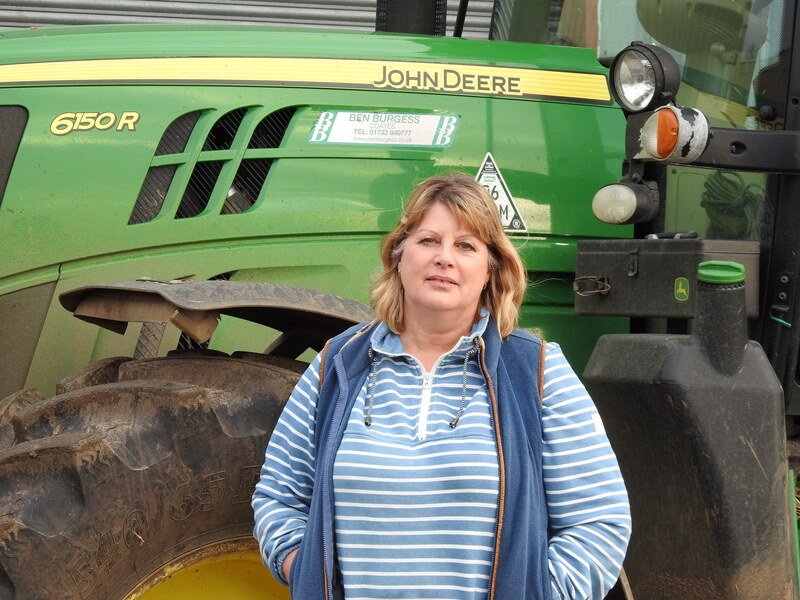
NFU Bedfordshire and Huntingdonshire Chair Freya Morgan said the Cheadle family’s story is sadly a familiar one.
Mrs Morgan said: “I speak to many farmers who are facing this situation.
“These people are running small family farms and have managed their businesses carefully and done everything right, only to be given an unpayable tax bill that could force them to close.
“Farmers are vital to this country, striving to deliver national food security, drive the economy, protect the countryside and help the environment.
“Farmers are the fourth emergency service, playing a vital role in their communities.
“The government must see the damage this will do to the farming industry and to wider society.”