Due to be introduced on 1 January 2028, the changes will mean some milk-based drinks could get more expensive unless processors adjust their sugar content.
The government has also lowered the sugar content threshold at which the tax applies from 5g to 4.5g of sugar per 100ml.
Removing exemption ‘makes no sense’
Responding to the news, NFU Dairy Board Chair Paul Tompkins said: “Although dairy farmers are not directly impacted by this proposed levy, processers would be, which could feed down to farm level and impact the price producers receive at a time when they are already struggling with additional feed costs, labour shortages and looming changes to inheritance tax.
“Removing the exemption for dairy based pre-packaged drinks and putting them in the same category as fizzy pop makes no sense.”
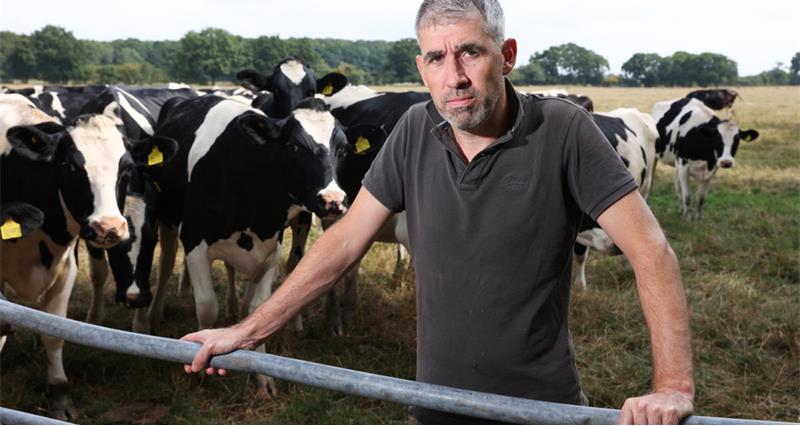
NFU Dairy Board Chair Paul Tompkins
“Removing the exemption for dairy based pre-packaged drinks and putting them in the same category as fizzy pop makes no sense.
“This proposed levy also ignores the highly nutritious value of milk. These drinks, made with at least 75% milk, are not only great tasting but a cost-effective way for the public to source essential daily intakes of high-quality protein, calcium, vitamins and minerals.”
In 2018, the industry successfully lobbied for milk drinks to be exempt from the “Soft Drinks Industry Levy” (known as the sugar tax). Currently, milk-based drinks are exempt if they contain at least 75ml of milk per 100ml.
The NFU maintained at the time that milk and yoghurt-based drinks are an accessible, affordable and nutritious way for many people to meet their recommended daily allowance of a range of nutrients. They provide calcium, high quality protein, B vitamins, iodine, zinc and phosphorus.
Following industry feedback, the Treasury has acknowledged the unique composition of dairy and has included a lactose allowance to prevent dairy companies from paying a levy on naturally occurring lactose. The government has also extended the implementation date to 2028. This allows dairy companies time to reformulate products to meet the new thresholds.