Warning* this article contains information that readers might find distressing
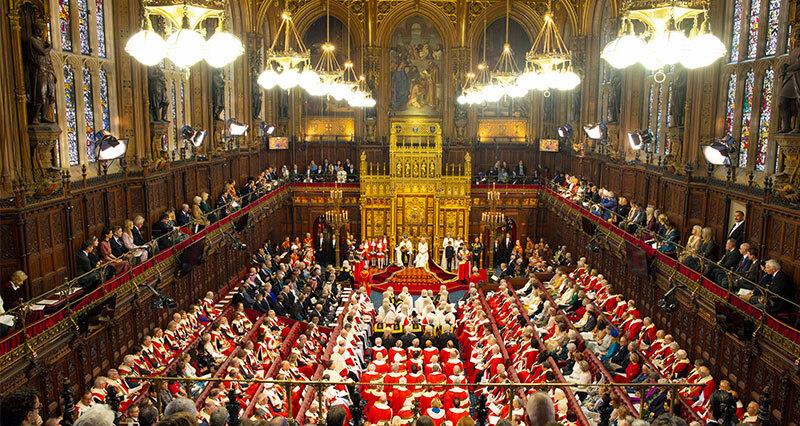
The NFU has already submitted written evidence to the sub-committee, which forms part of the House of Lords Economic Affairs Committee, highlighting our concerns on just how damaging the family farm tax will be to farming businesses across England and Wales.
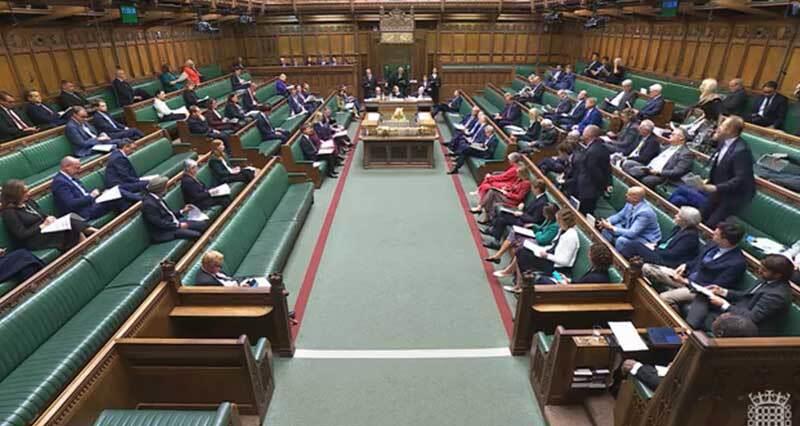
While it is not a formal consultation, and is limited in its scope, the Finance Bill Sub-Committee is gathering evidence to produce a report which will outline its recommendations and could help inform debate among MPs when the Finance Bill – which sets out the draft legislation for the family farm tax – passes through the House of Commons later this year. The Finance Bill does go to the Lords, but the Lords historically do not amend Finance Bills. Find out more about the inquiry.
“The human impact of this goes way beyond the economics and this is something not being considered by the government which is so sad.”
NFU President Tom Bradshaw
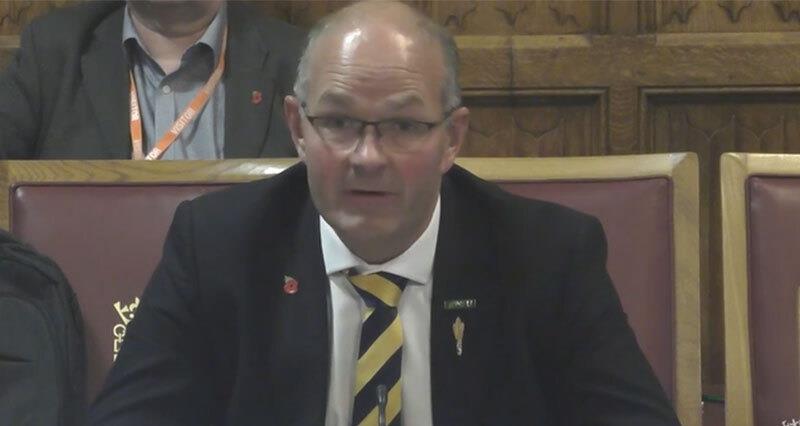
NFU President Tom Bradshaw was joined by by Secretary and Adviser at the CAAV (Central Association of Agricultural Valuers) Jeremy Moody and Director of Policy and Advice at the CLA (Country Land and Business Association) Judicaelle Hammond when he gave evidence to Peers this week.
Family farms facing immediate challenge
Labour Peer and chair of the Committee Lord Liddle asked panellists what the immediate challenge to family farms would be as a result of the government's APR and BPR proposals.
In response, NFU President Tom Bradshaw told the room that the family farm tax posed an immediate and widespread threat to family farms. Tom explained that the NFU’s earlier assessment found that most farms lack the cash to pay large inheritance tax bills and would need to sell land or assets.
However, Tom explained, selling isn’t possible until probate is complete – a process that can take anywhere from six months to two years – leaving families unable to pay IHT (inheritance tax) on time, risking missing out on the government’s 10-year interest-free payment plan, and unable to borrow against the estate until ownership is confirmed.
Little detail
When asked by Liberal Democrat Peer Baroness Bowles of Berkhamsted whether those affected are aware of the incoming changes, the panellists agreed that although awareness of changes to IHT is high among farmers, preparedness is low.
All panellists said this was because their organisations are all limited in their ability to provide advice to their members, as the government and HMRC have provided little detail on how the policy will work and be implemented.
Questions around fairness remain
Tom told the panel that the forestalling clause – which sees asset transfers made between the date the government announced the measures (30 October 2024) and the date they are due to come into force (5 April 2026) fall under the new APR and BPR rules – was “absolutely unforgivable”, penalising farmers that may die within seven years from when the policy was announced. For more than three decades, farmers have been relying on tax advice and planning which told them to hold onto agricultural assets until they die.
Many would be unable to pass assets down as early as they would need to in order to retain the agricultural assets and receive an income from them, complicating the asset transfer process further.
“The human impact of this goes way beyond the economics and this is something not being considered by the government which is so sad,” Tom told Peers. He urged politicians to watch the latest episode of BBC Countryfile which saw farmers interviewed about how their families and businesses will be impacted.
Tom added: “The situation we could find ourselves in now is that this ends up being a tax on tragic deaths, because the first period will be the elderly and then after that it's going to be those who either haven't planned or completely unplanned deaths which may well be younger, and then you're facing the situation where there's no spousal transfer so it could be passed down to the next generation who could be in their teens. Now is that a logical tax planning scenario?”
Video: Parliament TV
Digging into the numbers
Committee Chair Lord Liddle asked panellists why they thought that the government figures about how many farms will be affected are so different to the figures being put forward by organisations like the NFU.
Referencing the report by CenTax (Centre for the Analysis of Taxation) on the family farm tax, Tom said that the government was misunderstanding the makeup of estates that are claiming APR, meaning that genuine family farms will be unfairly targeted by the proposals.
If the government adopted the suggestion made by the CenTax report – only giving APR to estates made up of more than 60% of agricultural or business property, the Treasury would protect genuine family farms and make sure those with sufficient non-agricultural assets would still be liable to pay an IHT bill.
Restricting investment in the future of food production
Tom added that the effective rate of 20% IHT on agricultural assets keeps farmland attractive to investors, while saddling family farms with unaffordable IHT bills. Agreeing with Tom, Jeremy Moody said the government’s proposals “hurt those it has been designed to protect and protect those it is designed to hurt”.
The Centax report shows there are many investors for whom the farmland forms just a small percentage of their total wealth. They will however continue to benefit from £1m of value escaping IHT altogether and any value above this being subjected to 20% IHT rather than 40%.
You can watch the entire evidence session at: Parliament.tv | Finance Bill Sub-Committee.
For anyone who has been affected by the issues outlined in this article, help is available. Samaritans are here – day or night, 365 days a year. You can call them for free on 116 123, or visit their website to find the nearest branch.