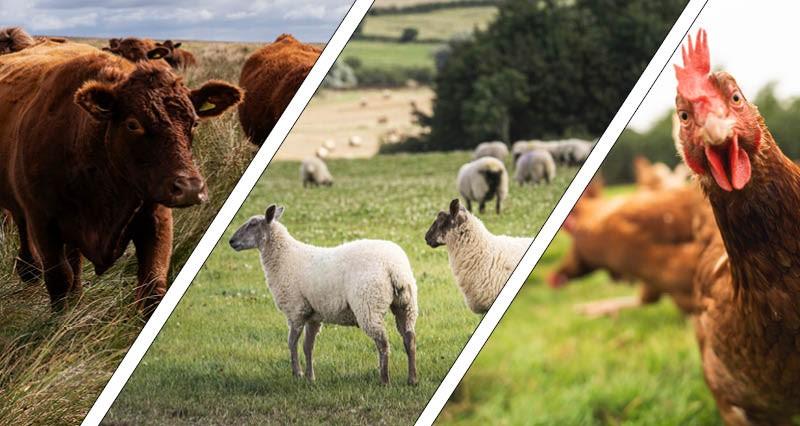
Livestock farmers across the UK are being urged to take a proactive approach to reporting abortions and foetal deformities in cattle and sheep, as concerns grow around vector-borne diseases such as bluetongue and Schmallenberg.
While a single instance can often be dismissed as bad luck, Defra, APHA, private vets and industry bodies warn that failing to investigate can mean missing the early signs of disease that may have far-reaching impacts on herd and flock health.
In recent years, Schmallenberg virus has become a familiar challenge for many sheep and cattle producers.
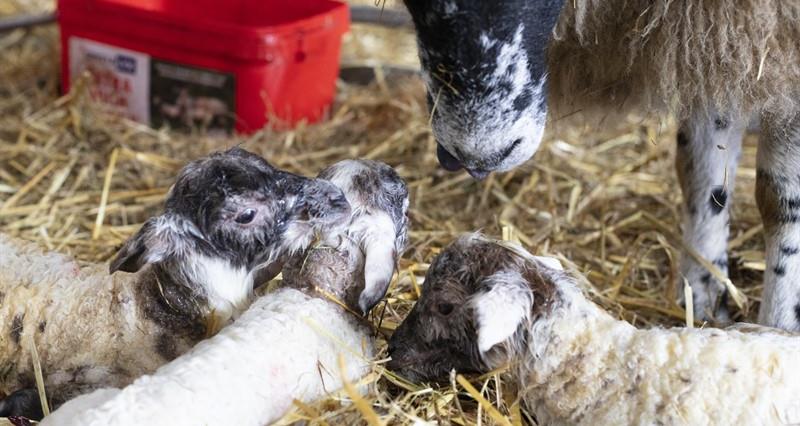
Spread by biting midges, the disease is often first detected not through obvious illness in adult animals, but through reproductive losses; including abortions, stillbirths, and the birth of malformed lambs and calves.
By the time these signs appear at lambing or calving, infections may have occurred months earlier during peak midge activity.
Bluetongue presents a slightly different picture but carries similarly serious implications as it is a notifiable disease and the UK is in the midst of an outbreak of serotypes BTV-3, 8 and 12.
Although more commonly associated with fever, lameness and mouth lesions, bluetongue infection in pregnant animals can also result in abortion, foetal deformities, or weak offspring.
With changing climate conditions and the expansion of midge populations, the risk of bluetongue incursion from new serotypes (there are 14) and spread of existing serotypes across the UK is growing.
Abortions are also an important sign of Brucellosis – a notifiable and zoonotic disease which is thankfully absent from the Great Britain at present. Statutory reporting of pregnancy losses under 271 days after insemination or 265 days after service is a legal requirement under Brucellosis control regulations.
Reporting and testing
In both cases, abortions and deformities can act as an early warning signal – provided they are reported and investigated.
Submitting aborted foetuses and placental material for laboratory testing remains one of the most effective ways to establish a diagnosis. This is particularly important with diseases like Schmallenberg, where clinical signs in adult animals can be mild or even absent.
Without testing, it is impossible to distinguish between infectious causes and other factors such as nutrition or management issues.
Accurate reporting is also essential for national surveillance systems, which are vital for tracking the spread of diseases carried by insect vectors and delivering effective disease control.
With midge borne diseases such as bluetongue and Schmallenberg, passive surveillance, information coming directly from farms, helps to build a picture of where and when infections occur.
Importance for farmers
This intelligence is essential not only for veterinary authorities to fulfil their legal responsibilities for disease control but also for farmers themselves. Early warnings can influence management decisions, such as adjusting breeding schedules to avoid peak midge seasons, implementing vaccination strategies (for Bluetongue virus), or increasing biosecurity measures.
There is also a broader resilience issue at stake. Reproductive losses have a direct impact on productivity, whether through fewer lambs reared, reduced calf crops, or the long-term effects on dam fertility. In tight-margin systems, these losses can quickly add up.
Actions to take
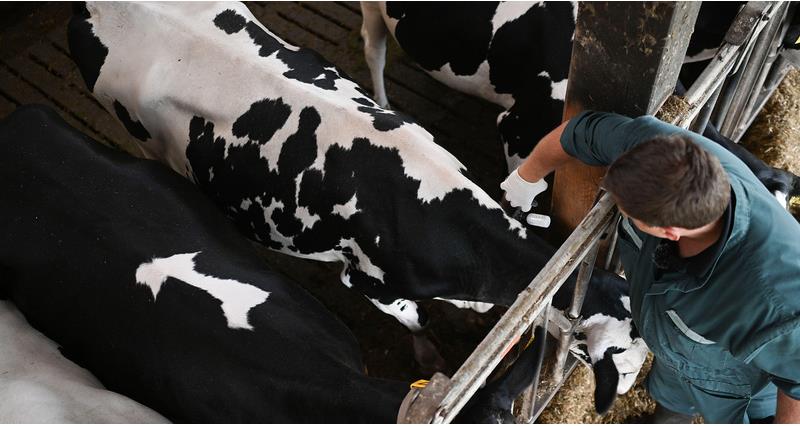
Practical steps on-farm remain straightforward. Farmers should isolate affected animals where possible, wear protective equipment when handling abortive material, and contact their vet promptly.
Good record-keeping; particularly around service dates and pregnancy outcomes can also help spot emerging trends earlier.
Cost concerns around testing are often raised, but more importantly, the value of a confirmed diagnosis in guiding future decisions should not be underestimated.
Ultimately, the message from the field is clear: abortions and foetal deformities should never be ignored.
In an era where vector-borne diseases like bluetongue and Schmallenberg are an ongoing and evolving threat, every reported case adds a crucial piece to the puzzle and fulfils legal responsibilities for notifiable disease control.
By treating abortion and foetal deformity events as a signal rather than a setback, farmers can play a central role in protecting not only their own stock, but the health and sustainability of the wider livestock sector.