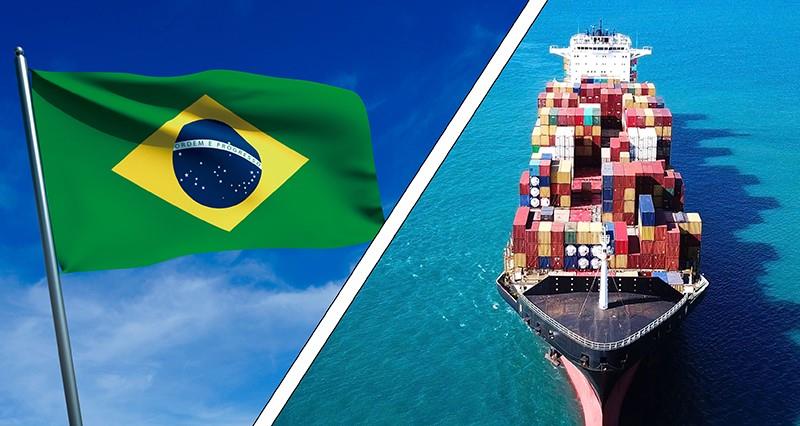
UK should ban Brazilian chicken and beef imports if they pose a human health risk
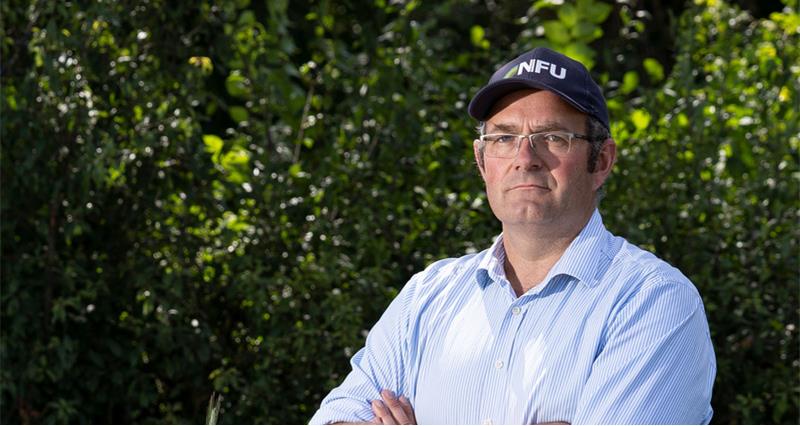
The NFU is lobbying government to ban Brazilian products of animal origin imports, including beef and poultry, if it cannot prove it is not misusing antibiotics, or risk exposing the UK market to imports that can pose a threat to human health, eroding public trust and undermining progress in tackling antimicrobial resistance.
The NFU is pressing for the UK government to place a precautionary ban on imports of Brazilian beef and chicken, if the country cannot show that it is using antibiotics responsibly.
The call comes after the EU announced it would be removing Brazil from the list of countries approved to export products of animal origin to the EU from 3 September. This decision has been taken because Brazil has not been able to demonstrate it is adhering to EU rules designed to prevent the development of antibiotic-resistant infections.
The EU does not allow countries to export products, such as beef or poultry, that are derived from animals that have been treated with critical antimicrobials that are reserved for human health or used for growth promotion or yield improvement. So far, Brazil has been unable to demonstrate compliance with these rules.
The NFU has long-called for a set of core production standards that would apply to both domestically produced and imported food sold in the UK.
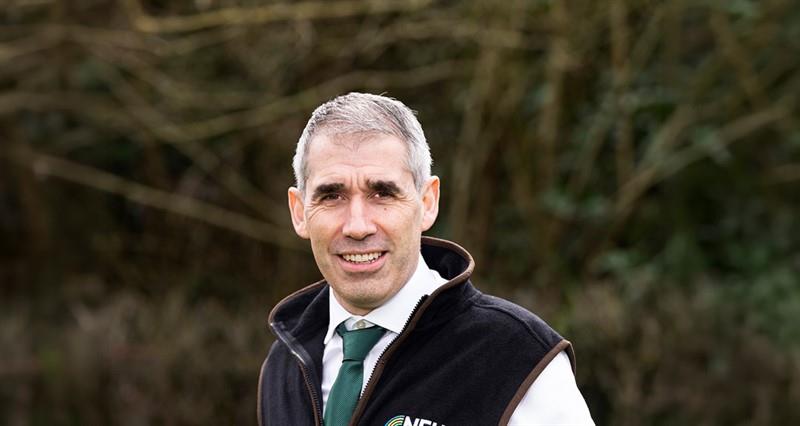
Stressing that a failure to mirror any EU ban here in the UK risks eroding public trust in the food sold in Britain, NFU President Tom Bradshaw said: “There’s a real risk that public confidence in our food system will be undermined if consumers believe GB is importing beef or poultry meat that both EU and non-EU countries have deemed unsafe.”
“Clearly the EU do not have confidence that this [products are safe and do not pose a human health risk] is the case. Their government have banned Brazilian meat – the UK government needs to do the same.”
NFU President Tom Bradshaw
Antimicrobial resistance
It would also undermine UK farmers’ world-leading work on antimicrobial resistance – the rise of infections in animals and humans that are unaffected by some of our most important medicines – with potential impacts for public health.
An impressive voluntary effort there has reduced UK sales of farm antibiotics by 60% since 2014, while retaining use for clinical needs. The reduction in the use of antibiotics critically important for human health stands at 83%.
The use of antibiotics for growth promotion has been banned in the UK and EU since 2006.
“A key responsibility of any government is to ensure that imported products are safe and do not pose a human health risk,” Tom continued.
“But clearly the EU do not have confidence that this is the case. Their government have banned Brazilian meat – the UK government needs to do the same.”
“It is less than a week until these bans come into force – the UK government must take action now to protect the British public from the health risks posed by antimicrobial resistance and maintain public trust in our food system.”
NFU President Tom Bradshaw
Trade impacts
An EU ban without action here could also prompt a significant influx of Brazilian beef and poultry imports originally intended for the bloc, the NFU has said.
Brazil is the EU’s largest supplier of chicken, exporting 211,000 tonnes to the bloc in 2025. In the same year, the EU imported 92,363 tonnes of Brazilian beef, including 24,381 tonnes of fresh beef, making Brazil its second largest supplier.
“At the same time, it would distort trade flows with Brazilian meat being diverted onto our market, putting additional pressure on producers in Britain, where the use of antimicrobials for growth promotion has rightly been outlawed for over two decades,” Tom highlighted.
“It is less than a week until these bans come into force – the UK government must take action now to protect the British public from the health risks posed by antimicrobial resistance and maintain public trust in our food system.”
What is the NFU calling for?
The NFU has stressed that, once introduced, any ban should not be lifted until Defra has conducted an extensive, in-person audit of Brazilian production and traceability.
It also wants to see a step change in testing on products of animal origin from high and medium risk countries such as Brazil at the UK border.
Imports of Brazilian products of animal origin currently face limited testing, with only 94 samples tested for residues of veterinary medicinal products in 2023-2024.
The NFU is also asking for the introduction of core production standards that would apply equally to all domestic and imported agri-food products – this would prevent domestic producers from being undercut by food produced using methods, such as the use of antimicrobials for growth promotion, that are illegal in the UK.