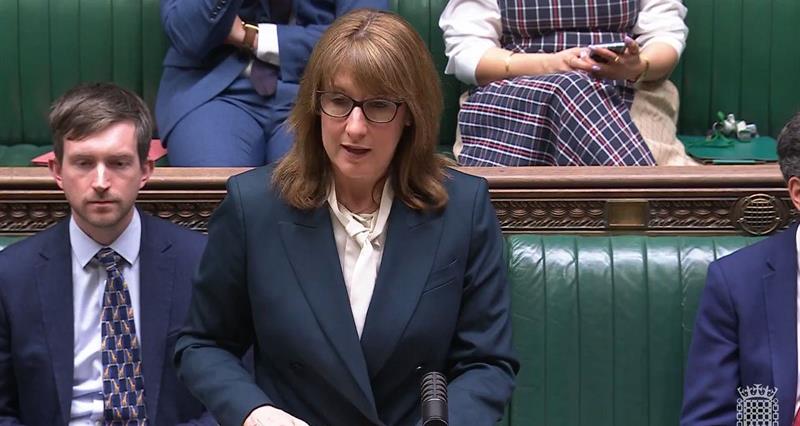
In a statement in the House of Commons on Tuesday, Chancellor Rachel Reeves set out an economic update on the Middle East during which she said: “I have also asked officials to look at where targeted reductions to agri-food tariffs can help bring down food prices, balancing this against the implications for domestic producers and food security.”
She also said the government would make sure the CMA (Competition and Markets Authority' has the powers it needs 'to detect and crack down on price gouging', in addition to bringing in a new anti-profiteering framework and considering time-limited, targeted powers for the CMA and other regulators.
“Cutting the remaining tariffs will have minimal impact on bringing down consumer food prices but could have a devastating impact on the nation’s farmers and our ability to invest for the future.”
NFU President Tom Bradshaw
Government must demonstrate its commitments
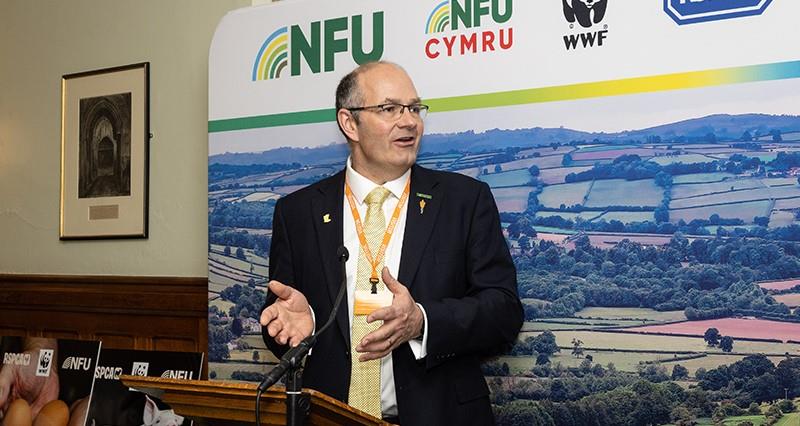
In response, NFU President Tom Bradshaw said: “We recognise that consumers are facing the prospect of higher food prices, and farmers too are bearing the risk of significant cost increases because of the Iran conflict. But I would strongly urge the government not to reduce agri-food tariffs on products we are producing here in the UK.
“The vast majority, almost 90%, of the food we import into the UK is already duty-free. Cutting the remaining tariffs will have minimal impact on bringing down consumer food prices but could have a devastating impact on the nation’s farmers and our ability to invest for the future.
“Agri-food tariffs play an important role in levelling the playing field against unfair competition and in protecting ourselves from imports of products produced at lower animal welfare and environmental standards. The government committed in its Trade Strategy that it will uphold the UK’s high production standards and that it would make use of the full range of powers at its disposal to protect our most sensitive sectors. Now is the time for government to demonstrate its commitments.
“With the launch of the new Farming and Food Partnership Board aimed at building confidence and resilience in the farming sector, I urge the government to think carefully before taking any decisions that could erode this further.
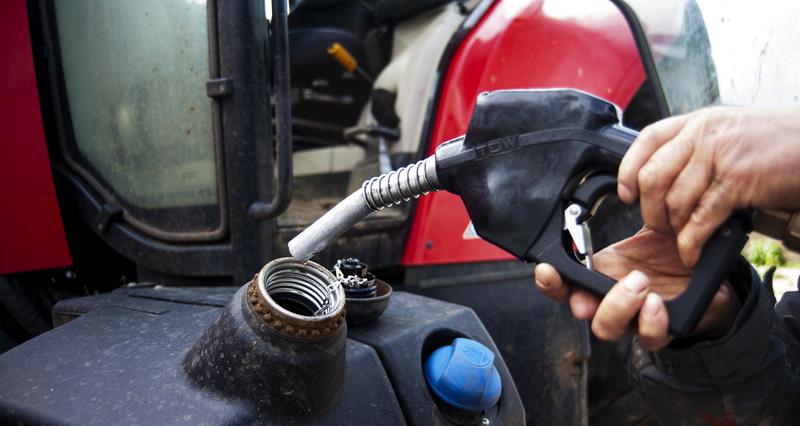
“The NFU has already proposed a range of measures that it believes the government can use to help keep cost inflation under control including tackling crippling new electricity standing charges, additional inspection charges in abattoirs and action to increase transparency in the fuel and fertiliser markets.”
Level playing field
The UK imports more than £64 billion worth of agri-food and drink products. Almost 90% of that enters duty-free, with the vast majority coming from the EU and other countries where a trade deal has been negotiated, or under the special arrangements offered to developing countries.
In every trade negotiation there is a consideration of the impact of giving preferential access to our trading partners. In some of those agreements, sectors such as beef, lamb, pork, poultry, crops, sugar and dairy are excluded because they are considered ‘sensitive’.
Outside of a preferential arrangement, such as a Free Trade Agreements, the UK applies the same tariff to imports coming in, irrespective of where they have been produced. This gives domestic producers some protection from facing the unfair competition products that don’t meet the same standards that UK farmers are expected to adhere to.
Reduction risks lower standard imports
Alongside maintaining tariff protections for sensitive sectors, introducing a set of statutory core production standards would ensure our standards are upheld by both domestically produced and imported food sold in the UK – this has been a longstanding ask of the NFU and was the focus of our joint MP event with WWF and the RSPCA earlier this month.
In the absence of any core standards, tariffs help to level that playing field by preventing the lowest-priced competitors around the world from flooding the UK market with product that doesn’t meet UK production standards.
Minimal impact on consumer food prices
The NFU has also questioned the extent to which a reduction on the level of applied tariffs would actually translate into reduced pressure on food price inflation. In a report from March 2018, The Institute for Fiscal Studies estimated that “under some quite optimistic assumptions about the price changes that are likely to follow tariff reductions, we estimate that complete abolition of all tariffs would reduce prices faced by households by about 0.7–1.2%.”
Along with uncertainty about the degree of translation between tariffs and reduced food prices, this also highlights that currency fluctuations are just as, if not more, likely to have an impact on prices across the economy.
The NFU is urging the government not to reduce agri-tariffs on goods produced here in the UK to high UK standards. As demonstrated above, it will have a marginal impact on inflation and could have a devastating impact on domestic producers.