East Anglia was the final area to move out of recovery on Monday 23 March, with all regions in England now at ‘normal’ status. Reservoir storage for England is now at 95%, which the Environment Agency has said is slightly above average for this time of year.
The NDG (National Drought Group) met earlier this week to discuss the weather extremes the country is experiencing. While the increased rainfall has been positive for water supplies, it has also led to devastating flooding in many communities.
The South-west recorded the second highest December to February winter rainfall since records began in 1871, which has caused widespread flooding.
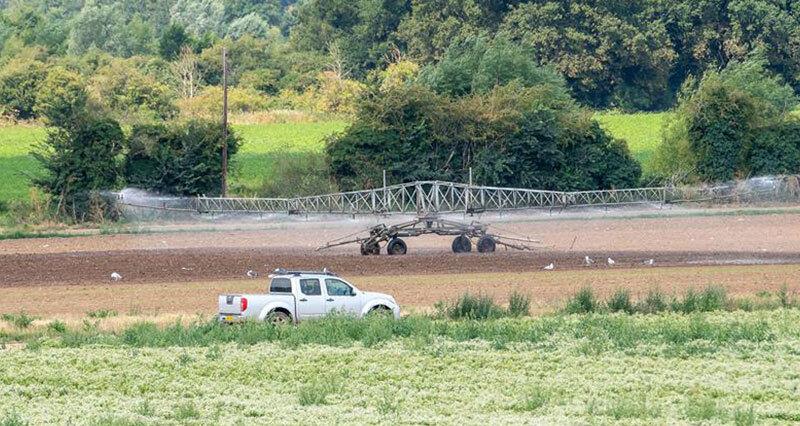
However, in East Anglia, river flows and groundwater levels have been slower to recover from last year's drought, leading to delays for some farmers refilling on-site reservoirs ahead of the irrigation season.
Extreme weather
Speaking on BBC Radio 4’s Today programme, NFU Deputy President Paul Tompkins said that, currently, water storage that the government invests in is done so for household water and household consumption and “we need to also see equal emphasis placed on water for growing food”.
“I’ve seen those potato crops and onions in the east of the country that are withering in the summer months because they don’t always get enough water. We have to do more to mitigate against the effects of more extreme weather patterns in order that we have a resilient food system.”
The risk of drought remains low for 2026, although the Environment Agency has warned of the possibility of a ‘flash drought’, which can be brought on by a sudden combination of very low rainfall and hot temperatures.
The Met Office forecast indicates that conditions will be drier than average for the rest of March.
National Drought Group chair and Director of Water at the Environment Agency, Helen Wakeham said: “We enter spring in a favourable position, but we can never be complacent. We expect water companies to carry on quickly fixing burst pipes and to be ready to enact their drought plans in a timely manner, if needed.”
Visit our dry weather information page to stay up to date.