Government drought package is ‘important step’ to building water and food resilience
NFU President Tom Bradshaw talking with NFU members Philip Pryor, Warwick Pryor and Amy Pryor after meeting with Prime Minister Andy Burnham.
Many of the NFU's key asks on drought support, water access and on-farm storage have been recognised in a new government package aimed at helping farmers manage the impacts of extreme weather. The Prime Minister met NFU President Tom Bradshaw and NFU members on farm in Cornwall to see first hand what is needed.
The government has announced a drought package that will help farmers better manage the severe pressures they are battling caused by sustained hot, dry weather and a continued absence of rain.
The news comes as Prime Minister Andy Burnham met with NFU President Tom Bradshaw and the Pryor family on farm in Cornwall. He acknowledged that farmers are at the sharp end of a changing climate and that they should not be carrying that risk alone.

“Today’s announcement is welcome and includes many of the NFU’s strategic asks, but more detail is needed to understand how these will work in practice.”
NFU President Tom Bradshaw
NFU President Tom Bradshaw said: "Today was a brilliant opportunity for the NFU to highlight directly to the Prime Minister the serious challenges facing farm businesses across the country.
"We discussed the urgent cash flow pressures affecting all sectors, alongside the need for action on issues including bluetongue, public procurement, planning, energy and grid connections, and strengthening supply chains.
"The Prime Minister was clear about the vital role farmers play in keeping the nation fed, and their role within communities, and that today's announcement is the start, not the end, of Government action.
"I must thank the Pryor family, who hosted us. They have done the industry proud.
"I look forward to continuing to work with the Prime Minister, Dame Angela Eagle, Stephen Morgan and others to deliver our shared ambition of a resilient farming sector and food system."
Defra has announced:
- More flexibility in environmental schemes, so farmers affected by drought can continue to receive payments and take practical steps to protect livestock, crops and land.
- To get the details, visit: Key information for agri-environment scheme agreement holders | NFUonline
- An extra £50 million for the Sustainable Farming Incentive 2026, taking the total budget to £290 million and helping more farmers access support.
- To find out more, visit: SFI – scheme guidance and information | NFUonline
- Action to make it easier to build reservoirs, including reducing unnecessary barriers and updating planning guidance.
- Up to £15 million for on-farm reservoirs, helping farmers store water and become more resilient to future droughts.
- For advice and support on developing a reservoir, visit: Water reservoirs – advice and support | NFUonline
- Improved access to water during drought conditions, including Environment Agency support and simpler water access arrangements.
England has now experienced three droughts in five years.
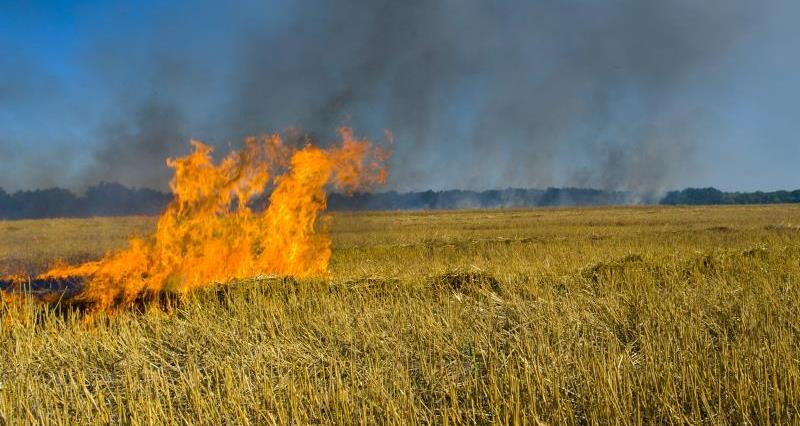
Prolonged drought has led to an incredibly early harvest and historically low yields, stunted grass growth forcing livestock and dairy farmers to use winter stocks to feed their cattle and potatoes, sugar beet and other field crops failing because of lack of water.
For the farmers who can irrigate, many are facing abstraction restrictions or reservoirs are simply running low or empty.
The drought will increase the cost of producing food for many farmers and growers, at a time when they are already facing a myriad of challenges, from midge-driven diseases such as bluetongue to high costs of fuel, energy and fertiliser.
Recognising serious impacts
NFU President Tom Bradshaw said: “Providing this relief package and meeting with farmers to hear first-hand from them, it’s clear that the Prime Minister has recognised the serious impacts this drought is having on farmers and on our ability to water crops, feed livestock and keep food production on track. It signals that investment in farming’s resilience is an investment in the country’s resilience.
“We’ve all seen the brown, bleak fields, but the impacts on food production, and therefore on the 29 million households which all rely on three meals a day, goes much deeper.
“The £65m of investment into the Sustainable Farming Incentive (SFI) and water infrastructure is very important strategic support that will benefit farmers. However, we are experiencing a huge crisis of cashflow and confidence across all sectors and urgent support will be needed for farmers who are feeling that pressure now, so they are still producing food next year.
“This government has said food security is national security, a sentiment the Prime Minister has echoed. Securing access to water for food production is vital to this, and so is building resilience across our entire food system.
“Today’s announcement is welcome and includes many of the NFU’s strategic asks, but more detail is needed to understand how these will work in practice. Investment in water is critical, it is the lifeline of our food system, and we must ensure the process is streamlined and that grants are accessible.
“As we look forward, I hope we can build on the important steps taken today and work towards a resilient food system that delivers for farm businesses, families and communities, both now and for generations to come.”
Fighting for resilience in food production
The NFU has been making the case at the highest levels of government for action to build the UK’s resilience to extreme weather, which is becoming increasingly common, to enable farmers to continue to produce the nation’s food despite climatic challenges.
NFU Deputy President Paul Tompkins said: “It’s clear that our weather patterns here in the UK are changing.
“We can no longer rely on rain throughout the year, and it’s imperative we invest in our national water infrastructure so we can capture and store water at times of plenty for use in times of shortage.
“While we still need to see the detail, I hope the funding outlined today for building on-farm reservoirs will support on-farm investment, and that measures to enable easier access to water through abstraction will deliver practical benefit to farmers on the ground.”
Derogations on SFI requirements
NFU Vice-president Robyn Munt said: “The derogations on SFI requirements will provide much-needed flexibility for farmers in existing schemes; particularly those struggling to provide forage for their livestock and who want to protect their farm against wildfires.
“Investment in the SFI scheme is crucial – supporting on farm practices, such as improving soil health, is what will underpin business resilience against the climate pressures we see today. We will continue to work with Defra to ensure this scheme delivers for both farm businesses and farmers’ ambitions for the environment that supports them.”
NFU immediate asks on drought
To provide immediate support for farmers and growers in managing the drought, the NFU has been asking for:
- More detail on how the EA (Environment Agency) will help provide support and simpler water-access arrangements during droughts, as announced by government. For example, arrangements could be made where one abstractor that does not need their water allocation, another nearby farmer could use it to irrigate crops such as potatoes, onions and carrots.
- Government, EA and water companies to create a risk register for vulnerable business water users, so that critical farm businesses such as livestock, poultry and high-value horticulture have access to water to support animal welfare and business viability.
- Improvement in local EA communications, bringing together water companies and WAGs (Water Abstraction Groups).
NFU asks on water and food resilience
To build long-term water and food resilience, the NFU has been asking for:
- Government to provide detail on how their recent commitment to make it easier to build on-farm reservoirs through updates to the NPPF (National Planning Policy Framework) will be translated consistently into development plans across the country and ultimately delivered through successful planning decisions.
- Permitted development rights for on-farm reservoirs to help farmers and growers build water storage more quickly and easily.
- Government to build on the £15 million funding by extending the Annual Investment Allowance to reservoirs and provide certainty with EA abstraction licensing decisions, giving farmers and growers the long-term confidence to invest.
- EA to allow abstractors to access water as soon as water levels are sufficient to start filling reservoirs when it does start raining, which may be before farmers and growers’ winter abstraction licences start.
- Government to turn its messaging about food security being part of national security into a reality through its 10-year plan for the country.
- Government to increase investment in climate adaptation, which will improve farm resilience to drought and extreme weather, including research and development into crops more resistant to drought.
For more information on our work visit – NFU’s 2026 drought timeline – NFUonline