See also:
- What happens on your premises while an investigation is carried out
- What happens if disease is confirmed on your premises
Or, download this guide as a PDF: The ‘purple book’ – AI, what you need to know
What is avian influenza?
AI (avian influenza) is a disease which affects birds. Some strains of AI are notifiable, therefore it is an offence not to report any suspected cases to the APHA (Animal and Plant Health Agency).
There are two types of AI:
- HPAI (Highly Pathogenic Avian Influenza) is the more serious type and it is often fatal in birds
- LPAI (Low Pathogenic Avian Influenza) is usually less serious and can cause mild breathing problems, but affected birds will not always show clear signs of infection. The severity of LPAI depends on the type of bird and whether it has any other illnesses.
There are a number of strains of AI, and they are determined by the haemagglutinin (H) and neuraminidase (N) proteins in the structure of the virus, e.g. H7N7, H5N1.
Routes of transmission
AI spreads from bird to bird by direct contact or through contaminated body fluids and faeces.
The disease can spread:
- Between birds in the same environment.
- From the wild bird population.
- By fomites such as people, vehicles, equipment or bedding materials which are contaminated with infected body fluids or faeces.
Clinical signs
The main clinical signs of HPAI in birds are:
- Sudden mortality of up to 100% (turkeys in particular can be severely and rapidly affected by HPAI).
- Severe egg drop/stop in production.
- Respiratory distress, such as gaping beak.
- Swollen head, including sinuses.
- Blue discolouration of neck and throat.
- Loss of appetite.
- Coughing, sneezing, gurgling, rattling.
- Diarrhoea.
- Nervous signs such as head and body shaking.
Risk to public health
The AI virus changes frequently, creating new strains. In rare cases when there is close contact between humans and infected birds, some strains of AI can be transmitted to humans – this is known as zoonosis.
The FSA (Food Standards Agency) has said AI poses a very low food safety risk for UK consumers. Properly cooked poultry and poultry products, including eggs, are safe to eat.
Poultry workers, vets, contractors and other people engaged in disease control activities will be offered personal protection equipment, and may be offered seasonal flu vaccinations and antiviral therapy when AI is confirmed, dependent on assessment by UKHSA (UK Health Security Agency).
AI in wild birds
If you find a dead wild bird, you are encouraged to report it to Defra online at GOV.UK | Report dead wild birds, or by phoning their helpline 03459 33 55 77.
Not all dead birds reported will be collected; each case will be triaged and dealt with according to the species and number of birds. Wild birds that test positive for AI are reported on: GOV.UK | Bird flu (avian influenza): cases in wild birds
See also: Avian influenza – how to report and dispose of dead wild birds
AI in other livestock
AI is a notifiable disease for other livestock such as pigs, cattle, sheep and dairy cows.
Movement of livestock present on a site where AI is suspected or confirmed in poultry will be restricted and animals will be tested for disease. This can cause significant disruption to other enterprises on the site.
Signs of AI in mammals include respiratory and neruological disease.
In dairy cows, signs of AI may include tacky or dry dung, a sudden drop in feed intake or milk production, unexplained thickening of milk, coupled with signs of mastitis.
If you suspect signs of AI in other livestock you must report it to your vet or directly to APHA by calling 03000 200 301 if you’re in England or 03003 038 268 if you’re in Wales.
Things to think about
Do you have multiple enterprises on the same CPH? Where possible, poultry enterprises should be on a separate CPH to other business activities. Guidance on how to apply for a separate CPH for your poultry enterprise is available at GOV.UK | Apply for an additional county parish holding number for your livestock business
Biosecurity
Stringent biosecurity is the most effective way to protect your birds from AI. Areas to focus on include:
- Housing – make sure buildings are well maintained, with any holes fixed and inlets or open sides covered in net or mesh to keep out wild birds.
- Bedding – store undercover and away from wild birds. Cleanse and disinfect outer wrapper before entering sheds.
- Staff – ensure staff are trained and up to date with your biosecurity protocols. Boots and overalls must be shed-specific. Avoid sharing staff between sites.
- Vehicles and equipment – keep accurate records of vehicles and equipment coming on and off site. Provide facilities for cleansing and disinfection at point of entry.
- Site – should be clear of moss with clean yards and curtilage. Prevent poultry access to bodies of water and exercise rodent control. Manage footdips and use Defra approved disinfectant at recommended levels.
- Visitors – limit access to essential visitors and keep accurate records. Instruct and supervise them on biosecurity requirements. Provide overalls and footwear.
- Other livestock – prevent direct and indirect contact between poultry and other livestock on site. Avoid the sharing of staff, co-living of other livestock with poultry or housing multiple species in a shared air space.
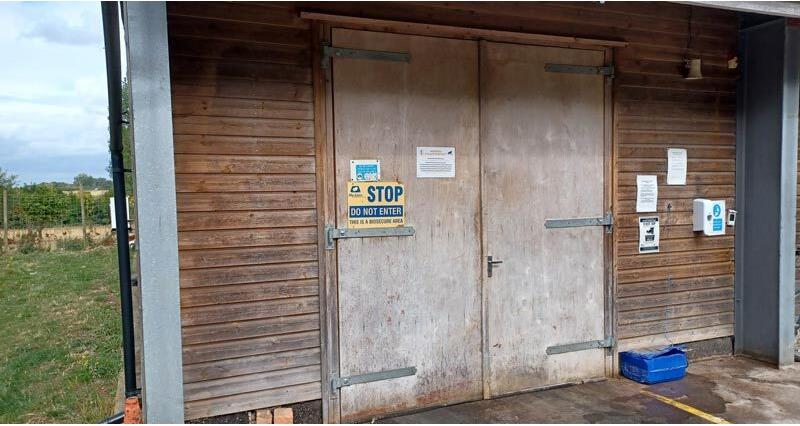
Biosecurity photobook
The Poultry Health and Welfare Group and APHA have published a photobook showing examples of good and poor biosecurity to help poultry keepers assess their own biosecurity standards.
Vaccination
AI vaccination of poultry is not currently permitted in the UK.
The avian influenza vaccination taskforce is a joint poultry sector, cross government group set up to explore options and to develop recommendations for the use of vaccination of poultry as a preventative measure against HPAI (highly pathogenic avian influenza) in the UK.
- Read about the latest work of the taskforce: AI vaccination taskforce
- The taskforce report and recommendations are available at GOV.UK | Vaccination of poultry against highly pathogenic avian influenza (HPAI): joint industry and cross-government vaccination taskforce
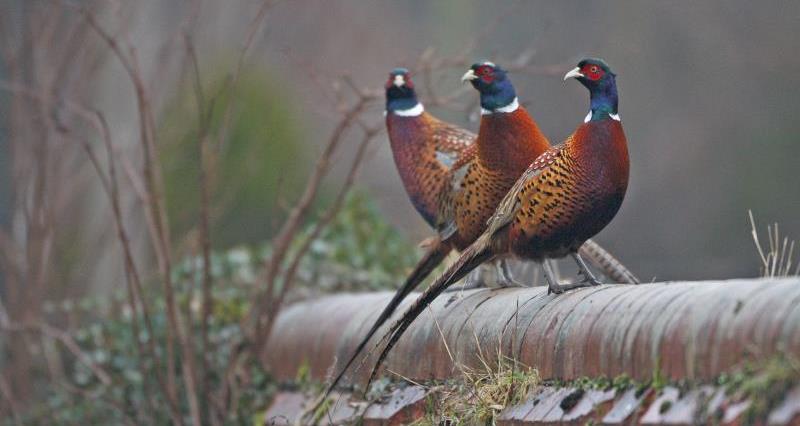
If you operate or are involved in game rearing or shooting you should ensure good biosecurity practices are being followed.
Release of game birds is not permitted within disease control zones.
More information is available at: Avian influenza and game shoots advice for members
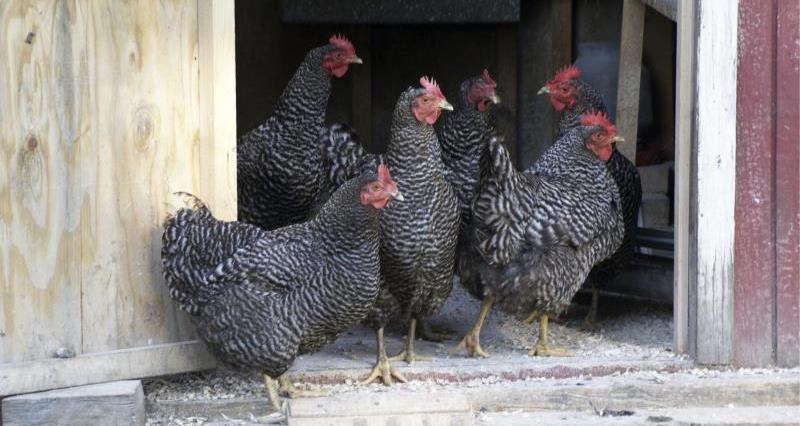
All poultry keepers are legally required to register their birds with APHA, and review their registration details on an annual basis to ensure your record is up to date.
For more information, visit: | GOV.UK | Register as a keeper of 50 or more poultry or other captive birds
If you are subject to an outbreak of AI, it is understandable to feel an increase in stress or anxiety. There are a number of rural charities and support networks that can offer help to those in need.
If you are struggling or know someone who is, know that you are not alone. The NFU has put together a list of organisations that can support you, both nationally and locally.