In recent months, cases of ND (Newcastle disease) have been confirmed in poultry in Spain, Poland, and most recently in Germany. In response, the UK Government has increased the risk of poultry exposure in this country from low to medium.
The rise in risk status has been introduced due to anticipated movements of birds flying across Europe throughout March to May. See: GOV.UK | Newcastle disease in Europe outbreak assessment (PDF)
Vaccinations to prevent incursion of ND are commercially available in the UK for some sectors, and the government is encouraging British poultry keepers to maintain the vaccination of flocks where appropriate, and continue to practice stringent biosecurity.
Vaccination is common in most commercial layers, layer breeders and broiler breeders and is also common in most turkey breeders.
Newcastle disease is a notifiable animal disease. Suspected cases must be reported immediately. Failure to do so is an offence.
- England – call the Defra Rural Services Helpline on 03000 200 301.
- Wales – contact 0300 303 8268.
- Scotland – contact your local Field Services Office.
Signs and symptoms
ND is the result of infection in poultry with avian paramyxovirus serotype 1 (APMV-1). It affects chickens and other captive and wild birds.
Signs of ND include:
- respiratory distress such as gaping beak, coughing, sneezing, gurgling, rattling
- nervous signs characterised by tremors and paralysis and twisting of the neck
- unusually watery faeces (diarrhoea) that are yellowish-green in colour
- depression
- lack of appetite
Affected hens may also suddenly produce fewer eggs. Eggs that are laid may be soft-shelled.
The disease may lead to intense clinical signs, with a sudden onset leading to likely death. Or it may have a lesser affect, with breathing problems and lower egg production the only detectable clinical signs.
The disease poses no food safety risk to consumers of well-cooked poultry products, including eggs.
See: GOV.UK | Newcastle disease: how to spot and report it
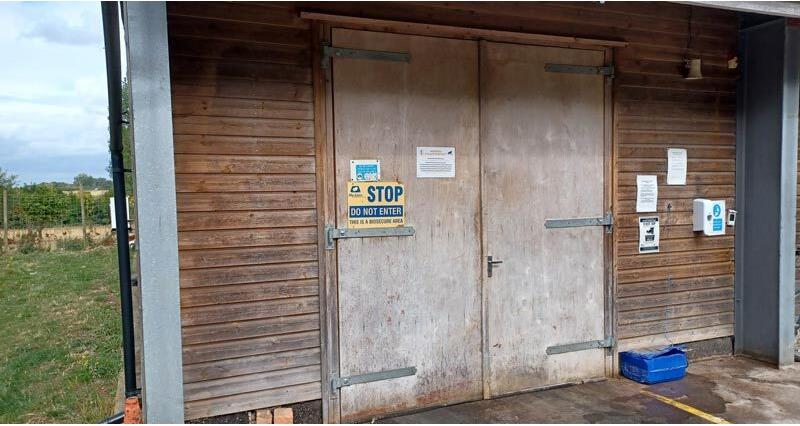
Biosecurity
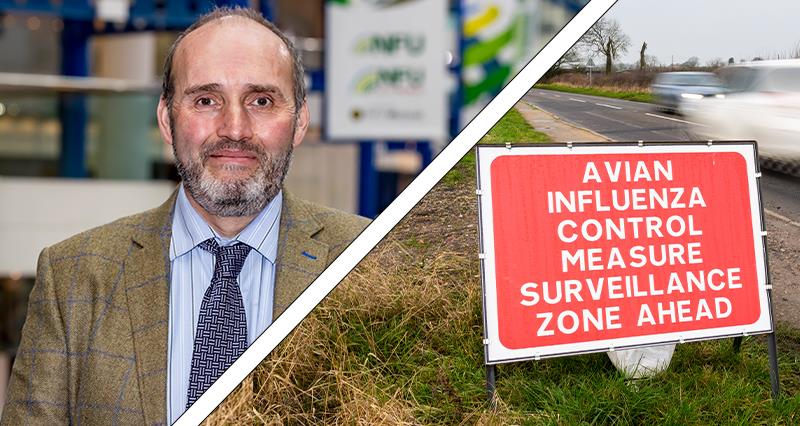
NFU Poultry Board Chair Will Raw said: “We know only too well that the risk of disease transmission from wild birds to poultry is a real one and therefore welcome the government's ongoing disease monitoring both here and around the world.
“Protecting the national flock is always our highest priority and we urge all bird keepers to continue following strict biosecurity measures and ensure vaccination for Newcastle Disease is implemented as appropriate.”