I am incredibly proud that the UK produces lamb to some of the highest welfare standards in the world.
Our reputation has been built on generations of good stockmanship, and farmers take that responsibility seriously.
That is why the government’s proposals on lamb tail docking and castration, although well‑intended, are causing real concern across the sheep sector.
Unintended consequences
I worry that the suggested changes could have unintended negative consequences for animal welfare, reduce our competitiveness, damage confidence and limit growth at a time when UK lamb has strong potential in both domestic and export markets.
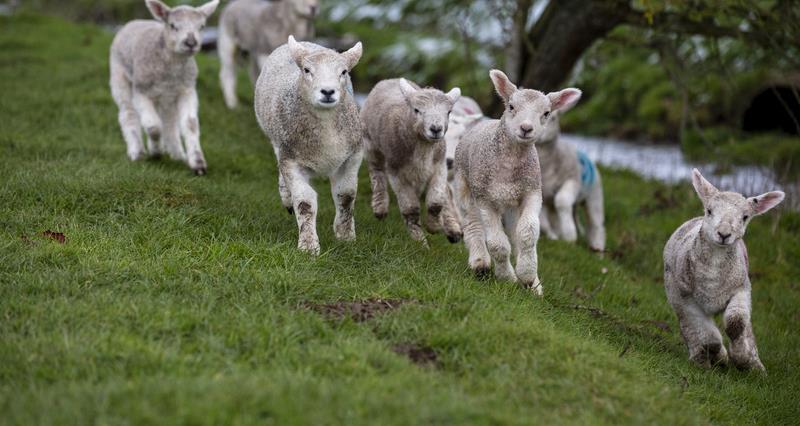
These routine management tasks are carried out for genuine welfare reasons and help ensure consumers can buy British lamb all year round. I am open to the use of pain relief, but the reality is that we simply do not have licensed or recommended products suitable for very young lambs.
Farmers cannot use tools that do not exist, and this gap must be addressed by government before any legislative changes are progressed.
Challenges and cost
Injecting very young lambs also increases the risk of disease at lambing and would add another time‑critical task in often challenging working conditions.
There would also be additional cost throughout the supply chain, making UK lamb less competitive compared with the thousands of tonnes of imported lamb, potentially produced to lower animal welfare standards, each year.
NFU position
Rubber rings remain the most common and practical method for castration and tail docking and are legally permitted under existing legislation.
NFU survey data shows that any restriction on their use would have major impacts on farm profitability and lifetime lamb welfare. For these reasons, it is vital that the current exemption for lambs 0- to 7-days-old is retained.
The government’s consultation closes on 9 March, and I urge farmers across the lamb sector to make their views heard.
NFU members can complete the survey on NFUonline, which will then be submitted to Defra as individual responses. The deadline to respond via the NFU is 1pm on 5 March.
Take partThe government's consultation on Defra's Citizen Space will run until 9 March.