In its 2026 Rural Crime Report, the insurer revealed that rural crime cost the UK an estimated £41.5 million in 2025, down from £44.1m in 2024.
While agricultural vehicle theft claims rose by 18% to an estimated £8.3m, GPS units saw a ‘dramatic’ fall in cost, down 80% year-on-year to nearly £250,000.
The cost of quad bike and ATV theft experienced a sharp increase, 31%, totalling an estimated £3.5m, with livestock theft marking a similar increase, up nearly 30% to £4.5m.
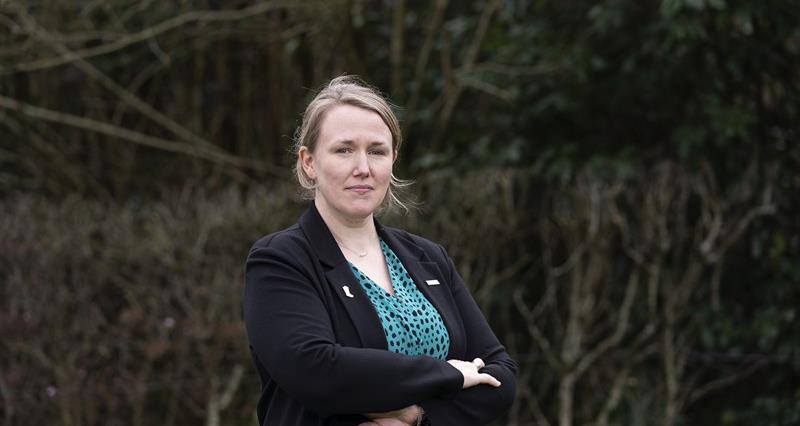
NFU Vice-president Robyn Munt welcomed the overall fall but raised concerns about these “worrying increases”.
She said: “Behind every statistic is a farmer, a family and a livelihood under strain. Farms are not just workplaces, they are homes, and while the effects of rural crime are felt financially, for many farmers, the real cost is the fear, the stress and the anxiety they are left with.”
Farmers leaving the industry
NFU Mutual said livestock theft had become ‘highly organised, in line with the wider trend in rural crime’.
Meanwhile, UK farm animals worth an estimated £1.95m were severely injured or killed in dog attacks in 2025, up 10% compared to the previous year.
Surveying NFU Mutual agents revealed that 29% had seen farmers change practices or leave the industry altogether due to rural crime, with 90% saying their local rural crime teams needed more funding.
“Behind every statistic is a farmer, a family and a livelihood under strain.”
NFU Vice-president Robyn Munt
Funding and focus is working
NFU Mutual Rural Affairs Specialist Hannah Binns said: “Rural crime is more organised than ever, with criminals prepared to go to extreme lengths, and 2025 proved no exception.
“Yet targeted investment in rural crime fighting initiatives alongside industry collaboration with law enforcement is helping drive down crime, with our latest figures highlighting a 6% fall year-on-year to an estimated £41.5m.
“The impact of rural crime extends beyond financial loss, undermining trust and connection, often leaving a trauma that can remain with farmers, their families and wider communities for a lifetime.
“Although we cannot afford to be complacent, two years of declining costs suggests the additional funding and focus that is being placed on this issue is working. In fact, these figures only emphasise the continued need for government, police, farmers, rural communities, insurers, and manufacturers to work together."
Worst affected counties by cost
Figures fluctuated across the UK, with Northern Ireland and Scotland seeing uplifts, rising 24% to an estimated £2.2m and 14% to an estimated £1.4m respectively. Wales mirrored the overall UK trend and, in England, the Midlands saw the largest decrease, falling 21% to an estimated £6.4m.
| Region or County | Cost in 2025 | Cost in 2024 | % Change from 2024 |
| East | £5.9m | £6.3m | -6% |
| Midlands | £6.4m | £8.1m | -21% |
| North East | £7.6m | £7.1m | +7% |
| North West | £2.7m | £2.9m | -7% |
| Northern Ireland | £2.2m | £1.8m | +24% |
| Scotland | £1.4m | £1.2m | +14% |
| South East | £6.8m | £7.1m | -4% |
| South West | £6.2m | £6.7m | -8% |
| Wales | £2.2m | £2.8m | -21% |
| Total | £41.5m | £44.1m | -6% |
Estimates based on NFU Mutual claims statistics. To read the report in full, visit: NFU Mutual Rural Crime Report 2026
Collaboration is key
NFU Vice-president Robyn Munt added: “With volatile weather and rising input costs already placing farmers under pressure, rural crime places a damaging additional burden on British farmers and growers.
“Rural crime leaves farmers vulnerable in the very place they should feel safest – their home – and this has to stop. We are calling for specialist rural crime teams with local knowledge to be protected during proposed policing reforms, alongside sustained funding for the National Rural Crime Unit to ensure a coordinated and effective response to crime.
“This is essential to ensure farmers feel safe, supported, and able to focus on what they do best – feeding the nation.”