With the launch of the NFU Mutual’s annual rural crime report, it has never been more important to reflect on the human impact of rural crime.
While last year the cost of rural crime in the UK fell by 6% to £41.5 million, in certain areas there was a staggering increase. Agricultural vehicle theft claims rose by 18% while livestock theft claims increased by 30%.
These figures highlight an evolving threat to farming communities, and it isn’t just financial. Nearly 30% of NFU Mutual Agents surveyed reported that farmers are changing their practices or leaving the industry altogether as a direct result of rural crime.
This is a stark reminder that behind every statistic is a farmer, a family, and a livelihood under strain.
“Above all, we must not feel we have to face these challenges alone, because tackling rural crime is not just about protecting farms, it is about protecting the people who feed the nation.”
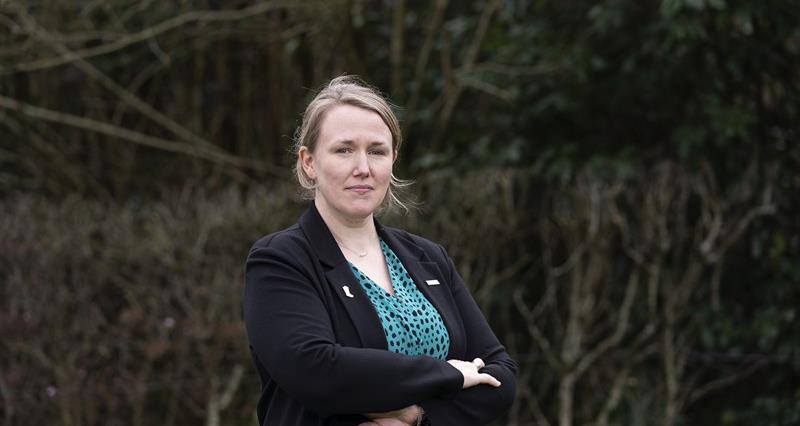
NFU Vice-president Robyn Munt
True impact goes unseen
Our farms are not just workplaces – they are homes. When rural crime occurs, it does not just result in added financial loss and pressure, it undermines security, confidence and wellbeing. It leaves us feeling vulnerable in the very place we should feel safest.
The nature of farming only intensifies this impact. We all know farmers and growers work long hours, often in isolation, facing ongoing financial pressures and uncertainty.
Livelihoods depend on factors beyond our control – the weather, markets and government policy, while a strong culture of resilience means many simply get on with it.
Farmers’ resilience is admirable, but it can also mean the true impact of rural crime goes unseen.
Instead, it adds to an already heavy burden, becoming another risk farmers are expected to manage. Yet this is not something we should have to accept.
Stronger collaboration needed
Too often, farmers and growers fear frightening confrontations. We are not law enforcement officers. We’re ordinary people trying to protect our families, our homes and our businesses.
The reality can be stark.
One Hertfordshire farmer experienced more than 200 incidents of hare coursing in just eight months, facing regular intimidation and violence. In another case, an 80-year-old farmer was left to deal with more than 200 tonnes of illegally dumped waste on his land. These are not isolated cases, they signal a wider, often hidden issue affecting rural communities across the country.
Although rural crime often takes place out of sight, its impact is deeply felt. It brings stress, anxiety and fear and becomes an everyday concern for many. But this is not something farmers should have to adapt to, it is something that must be addressed and eradicated.
Tackling rural crime starts with recognising it as a serious issue affecting people. It requires stronger collaboration between farmers, police and communities, supported by better reporting systems, improved intelligence sharing and policing that understands the realities of rural areas.
Rural areas are large neighbourhoods just like any urban area and need to be considered and issues addressed in the same way, with targeted and responsive action when crimes occur. Farms have a different postcode, they shouldn’t be made to feel less important.
Above all, we must not feel we have to face these challenges alone, because tackling rural crime is not just about protecting farms, it is about protecting the people who feed the nation.