Your safety should not be a “postcode lottery” - NFU warns of organised crime
Photograph: Parliament TV
NFU Vice-president Robyn Munt has called for more consistency in policing, greater intelligence sharing and action to give farmers confidence that rural crime will be taken seriously.
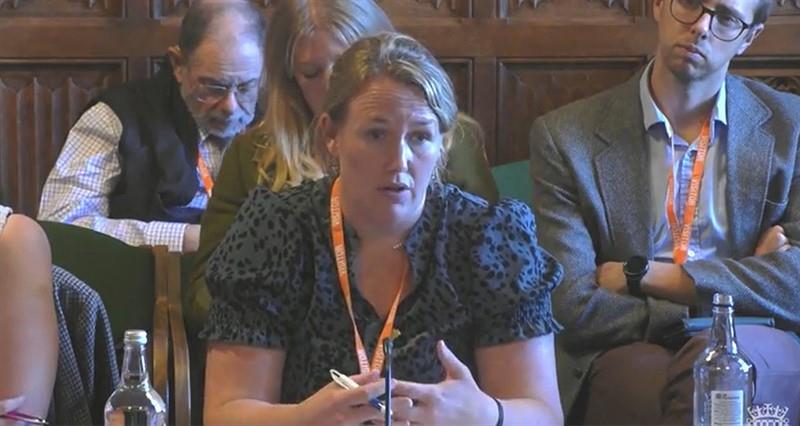
NFU Vice-president Robyn Munt appeared before MPs at a Home Affairs Select Committee evidence session examining the impact of serious and organised crime on local communities.
Giving evidence on behalf of NFU members, Robyn highlighted the significant impact rural crime has on farmers, their families and their businesses.
She stressed that, for farmers, the scene of a crime “isn’t just their business, it is their home”. Some farming families are so fearful of criminals returning that they are concerned about allowing their children to play outside. Robyn said these crimes must therefore be treated with the seriousness and urgency they deserve.
Reporting rural crime
Highlighting the significant differences NFU members experience of reporting rural crime, Robyn warned that if farmers do not believe their concerns will be heard or acted upon, they may decide not to report incidents.
In many cases, she said, receiving a crime reference number is not enough.
While it may support an insurance claim, it does not necessarily give victims confidence that the crime is being investigated with the urgency required.
As a result, the data available through the NFU Mutual Rural Crime Report is valuable but is unlikely to reflect the full scale of the problem, as many rural crimes go unreported.
Discussing neighbourhood policing, Robyn said visibility has taken on a new meaning in the modern age. Farmers need to know how to contact their local officers and have confidence that concerns raised through digital channels will reach people who understand rural crime and can respond effectively.
Our asks on rural crime
- Dedicated rural crime team in every police force
- Fair funding for rural policing through the police allocation formula
- A cross-government rural crime task force
- Adoption of the National Rural Crime Network's 10-Point-Plan
- Implementation of the Equipment Theft (Prevention) Act 2023 and extend protections to GPS equipment
- Maintained funding for the National Rural Crime Unit Livestock Theft Coordinator
- Give police stronger powers to tackle dog attacks on livestock
- Monitor and strengthen measures to deter hare coursing
- A single reporting system for fly-tipping incidents
- Strengthen prosecution guidance to improve penalties for fly-tipping
Read our reporting on the NFU Mutual Rural Crime report.
The need for consistency in policing
Robyn drew attention to inconsistencies in how rural crime is handled across the country, arguing that people’s safety and policing experience should not depend on a “postcode lottery”.
She said assaults experienced by some NFU members would have been handled very differently if they had taken place in an urban area.
A consistent framework for police forces to follow was also called for. While some forces have access to modern technology and specialist rural crime teams, others do not have basic resources such as 4x4 vehicles.
Attention was also drawn to the NFU's work to help call handlers better understand rural crime and the particular challenges facing people living and working in rural areas.
Robyn said effective mapping and monitoring of criminal activity is essential, alongside greater intelligence sharing between police forces.
Organised criminals do not respect force boundaries, making cross-border collaboration critical to identifying patterns, disrupting criminal networks and protecting rural communities.