Avian Influenza Prevention Zone and housing orders declared across England
The government has declared an England-wide AIPZ and mandatory housing measures to protect poultry and other captive birds.
What you need to know
- An England-wide AIPZ came into effect on 11 November 2026.
- Housing measures will come into force from 00:01 on Friday 13 November 2026.
- Housing measures apply to bird keepers of 50 or more birds and any sellers of poultry products.
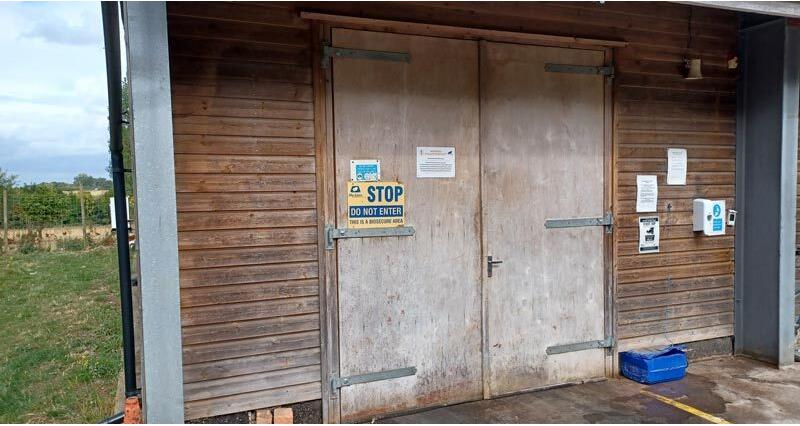
- Keepers should review their biosecurity arrangements to protect the national flock.
An AIPZ has been introduced across the whole of England with immediate effect. In addition, England-wide mandatory housing measures will come into force from 00:01 on Friday 13 November 2026.
This follows an increase in the risk level of AI (avian influenza) in wild birds and poultry and ‘escalating number of confirmations’ of HPAI (highly pathogenic avian influenza) in both kept and wild birds. GOV.UK | National Housing Order declared to protect birds from avian influenza
Scottish Government has declared an AIPZ without housing orders. Visit: GOV.SCOT | AIPZ declaration
Welsh Government is considering introducing similar measures.
What does the AIPZ mean for bird keepers?
The Secretary of State has carried out a risk assessment and requires all keepers of poultry and other captive birds including pet birds in the AIPZ to comply with the minimum biosecurity measures set out in section 1 of the declaration.
All keepers who keep 500 or more poultry or other captive birds in any part of the AIPZ must comply with the measures in schedule 1 and in addition comply with the measures in schedule 2 of the declaration.
The measures also apply to game bird rearers and shoot operators, as set out in section 3 of the declaration.
There are different requirements for keepers of poultry or other captive birds at a premises licensed under the Zoo Licensing Act 1981, keepers of racing pigeons, doves or other Columbiformes and keepers of birds of prey or other birds trained to fly from hand or under close control in the Avian Influenza Prevention Zone.
These keepers can find out more information about what measures they should be taking in the various schedules of the government’s AIPZ declaration.
A summary of requirements bird keepers in the AIPZ must meet are listed below, but all keepers are encouraged to read Defra’s declaration in full to see what the full requirements are as these are dependent on how many birds you have.
Actions to take if disease is suspected
If you suspect bird flu in poultry or other captive birds, you must report it immediately by calling:
- 03000 200 301 if you’re in England
- 03003 038 268 if you’re in Wales
- your local Field Services Office if you’re in Scotland
Bird flu is a notifiable disease in poultry and other captive birds. If you do not report it, you’re breaking the law.
“Stringent biosecurity is the first and most important line of defence”
Speaking after the measures were announced, NFU Poultry Board Chair Will Raw said: “AI continues to threaten the UK poultry sector and disease outbreaks put a huge emotional and financial strain on farming families.
“With an increasing number of confirmed cases in England, it is vital that poultry keepers remain vigilant. The introduction of an AI Prevention Zone in England is welcome and a proportionate step to help reduce the risk of disease affecting our flocks, regardless of number or type of birds being kept. Stringent biosecurity is the first and most important line of defence against this awful disease.
“The NFU has been working closely with government and the wider industry and recognises the need for additional measures where the changing disease risk warrants them. The housing order that takes effect from Friday for the whole of England should help prevent any further outbreaks of this devastating disease, and we now urge the devolved administrations to consider where risk dictates to extend these measures to protect the national flock.
“Regardless of any new legal requirements, all bird keepers should act now to review their biosecurity arrangements and do everything possible to minimise contact between poultry and wild birds. Early action and strict adherence to biosecurity measures will be essential in protecting flock health and reducing the risk of disease incursion.”