Avian Influenza Prevention Zone and housing orders declared across England and Wales
A GB-wide AIPZ is in force, with mandatory housing measures in England and Wales to protect poultry and other captive birds.
What you need to know
- An England-wide AIPZ came into effect on 11 November 2026.
- Compulsory housing measures have been in force in England since Friday 13 November 2026.
- Housing measures apply to bird keepers of 50 or more birds and any sellers of poultry products.
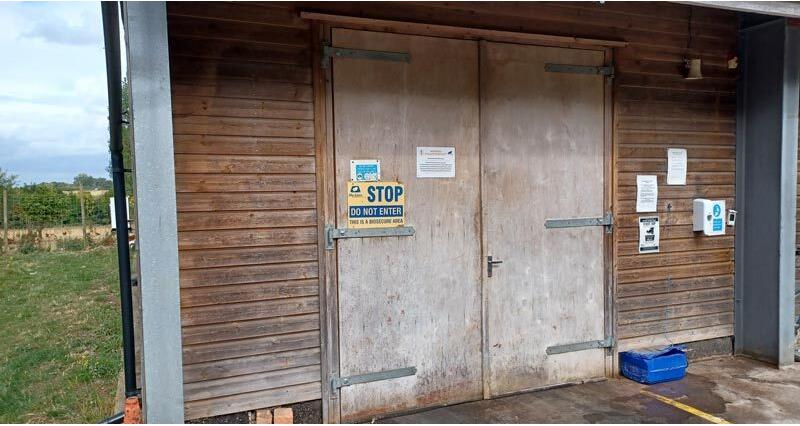
- Keepers should review their biosecurity arrangements to protect the national flock.
An AIPZ with housing orders is in force across England and Wales.
The England-wide AIPZ was introduced on 26 November, with mandatory housing measures in force since Friday 13 November 2026.
Wales declared an all-Wales AIPZ on 16 November. Compulsory housing measures were introduced at midday on 23 November.
Scottish Government declared an AIPZ without housing orders on 10 November.
In Northern Ireland, the Department of Agriculture, Environment and Rural Affairs declared a nationwide AIPZ on 19 November.
The measures follow an increase in the risk level of AI (avian influenza) in wild birds and poultry and ‘escalating number of confirmations’ of HPAI (highly pathogenic avian influenza) in both kept and wild birds.
What does the AIPZ mean for bird keepers in England?
The Secretary of State has carried out a risk assessment and requires all keepers of poultry and other captive birds including pet birds in the AIPZ to comply with the minimum biosecurity measures set out in section 1 of the declaration.
All keepers who keep 500 or more poultry or other captive birds in any part of the AIPZ must comply with the measures in schedule 1 and in addition comply with the measures in schedule 2 of the declaration.
The measures also apply to game bird rearers and shoot operators, as set out in section 3 of the declaration.
There are different requirements for keepers of poultry or other captive birds at a premises licensed under the Zoo Licensing Act 1981, keepers of racing pigeons, doves or other Columbiformes and keepers of birds of prey or other birds trained to fly from hand or under close control in the Avian Influenza Prevention Zone.
These keepers can find out more information about what measures they should be taking in the various schedules of the government’s AIPZ declaration.
A summary of requirements bird keepers in the AIPZ must meet are listed below, but all keepers are encouraged to read Defra’s declaration in full to see what the full requirements are as these are dependent on how many birds you have.
Actions to take if disease is suspected
If you suspect bird flu in poultry or other captive birds, you must report it immediately by calling:
- 03000 200 301 if you’re in England
- 03003 038 268 if you’re in Wales
- your local Field Services Office if you’re in Scotland
Bird flu is a notifiable disease in poultry and other captive birds. If you do not report it, you’re breaking the law.
“Stringent biosecurity is the first and most important line of defence”
NFU Poultry Board Chair Will Raw said: “AI continues to threaten the UK poultry sector and disease outbreaks put a huge emotional and financial strain on farming families.
“As more cases are confirmed, it is vital that poultry keepers remain vigilant. The introduction of the AIPZ across GB is welcome and a proportionate step to help reduce the risk of disease affecting our flocks, regardless of number or type of birds being kept. Stringent biosecurity is the first and most important line of defence against this awful disease
“The NFU has been working closely with government and the wider industry and recognises the need for additional measures where the changing disease risk warrants them. The housing order for the whole of England and in Wales will help prevent further outbreaks and protect the national flock.
“Regardless of any new legal requirements, all bird keepers should act now to review their biosecurity arrangements and do everything possible to minimise contact between poultry and wild birds. Early action and strict adherence to biosecurity measures will be essential in protecting flock health and reducing the risk of disease incursion.”