Rural crime costs UK farmers millions each year and disrupts vital food production – which is why it’s a priority for the police here in North Yorkshire, and also across the country.
According to NFU Mutual’s latest report, rural crime cost the UK £44.1 million in 2024, with organised gangs increasingly targeting farms for high-value machinery, livestock, and fuel. Beyond financial losses, these crimes cause emotional stress, operational delays, and rising insurance premiums, making prevention a top priority for every farming business.
Rural crime is not new, but the way criminals operate has changed, with the development of technology bringing new threats. Today, the most common types of rural crime include machinery theft, livestock theft and livestock worrying. Our response at North Yorkshire Police has continued to evolve to meet that challenge – and the security measures available to you are improving too.
Practical steps to protect your farm
While rural crime is a serious threat, it is preventable. I understand the demands on time in farming, not forgetting the costs of security systems - but the need for strong crime prevention has never been so relevant.
- Secure boundaries and access points
- Keep gates locked with heavy-duty padlocks and chains.
- Use locking posts or barriers to restrict vehicle access.
- Maintain hedges and fences to deter entry.
“The biggest request I ask is that you report every incident, no matter how small or irrelevant you might think it is.”
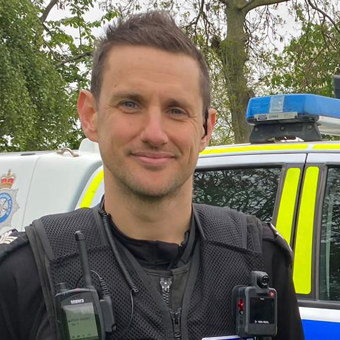
Sergeant David Lund, North Yorkshire Police Rural Task Force
Protect buildings and equipment
- Fit strong locks on sheds, barns, and workshops.
- Install burglar alarms and motion-sensor lighting.
- Store machinery in locked buildings and remove keys when not in use.
Invest in surveillance
- Install CCTV cameras with night vision and remote monitoring.
- Display visible signage to deter criminals.
- Consider monitored alarm systems for high-risk areas.
- Laser beams for vulnerable areas
Mark and track assets
- Use forensic marking kits or UV pens on tools and machinery.
- Record serial numbers and keep photos for insurance.
- Fit GPS trackers to tractors and ATVs; register items with CESAR or Immobilise.
Community collaboration
- Join local Farm Watch/WhatsApp schemes and share intelligence.
- Report all suspicious activity promptly to the police.
- Work with neighbours to create a visible deterrent network.
Report every incident
The biggest request I ask is that you report every incident, no matter how small or irrelevant you might think it is. The sighting of a vehicle on the drive, the person flying a drone nearby, a vehicle passing several times. This could be a small but vital piece of evidence we need.
The more information we have, the better able we are to deploy police resources where they will make a real difference.
Recognise
Be alert:
- Is there something unusual (unfamiliar vehicles, gates open, hard cover moved)?
- Be aware of criminal tactics, such as scouting farms, drone use etc.
Record
If you notice something suspicious:
- Write down details like vehicle make, model, colour, and registration.
- Record date, time and location (use what3words if you have it).
- Take photos or videos if safe to do so. Do not put yourself in harm’s way.
- Keep a log of repeated sightings or patterns.
Report
- Report to the police as soon as possible
- Contact your local police, or their rural crime team if they have one.
- Use official reporting channels (101 for non-emergency, 999 for emergencies, or online via the police website).
- Share intelligence with Farm Watch or WhatsApp groups.
Communication is the key
Like others on the Rural Task Force, here at North Yorkshire Police, I’m from a farming background myself, so I understand the misery that criminal gangs cause to hardworking farmers, gamekeepers and landowners, often leaving them feeling intimidated by their actions.
My team are passionate about rural life, as well as the area we serve. Week in week out we will continue to do all we can to make people who live and work in rural areas feel safe and bring the criminals who think it’s acceptable to target them to justice.
Rural crime is evolving, but together we can help reduce the impact. Communication is the key, so get to know your local WhatsApp or rural groups. Together we can reduce risk by recognising, recording and reporting even the smallest of things. And remember: prevention is always cheaper than replacing stolen equipment or livestock.