Roadmap addresses ‘unclear’ data requirements for antibiotic stewardship
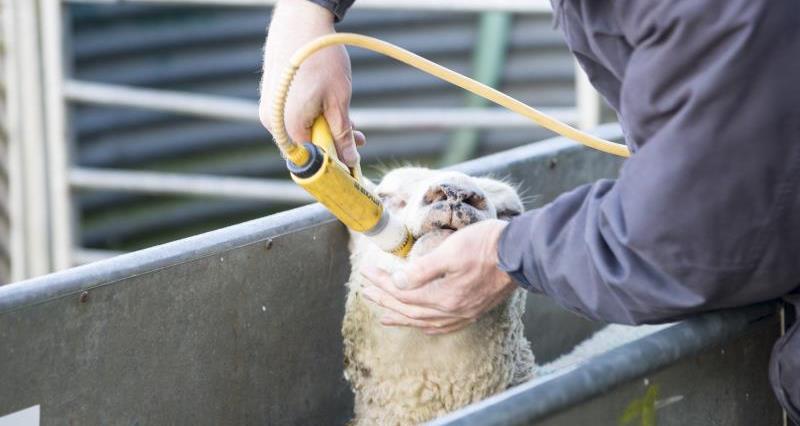
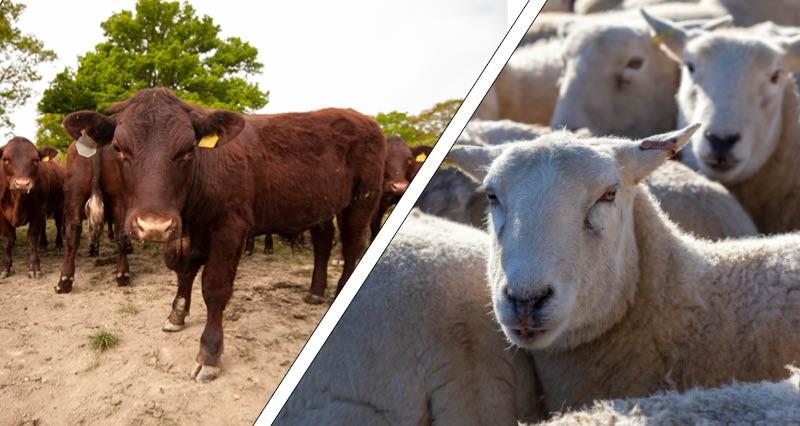
Barriers to demonstrating responsible antibiotic use in UK cattle and sheep farming that have frustrated progress for years, including “unclear and potentially excessive” data requirements, are addressed in a new industry roadmap.
Launched at the British Cattle Veterinary Association’s (BCVA) annual congress, the ruminant antibiotic stewardship (ABS) roadmap was developed by a working group spanning the UK livestock industry, as part of an initiative to help the UK ruminant sector prove - and improve - responsible antibiotic stewardship.
To date, the UK ruminant sector has made substantial voluntary progress on ABS, which indicates antibiotic use remains relatively low in many systems.
However, the roadmap concludes that, without robust national usage data, the ruminant sectors cannot consistently demonstrate that progress – or see clearly where further improvement is needed. As a result, the sector risks being defined by what it cannot demonstrate rather than by what it has achieved.
“Using antibiotics responsibly is something UK livestock farmers take extremely seriously. This Roadmap demonstrates our sector's continued commitment to safeguarding animal health and welfare while reducing reliance on antibiotics wherever possible.”
NFU Livestock Board Chair Clare Wise
To date, the UK ruminant sector has made substantial voluntary progress on ABS, which indicates antibiotic use remains relatively low in many systems.
However, the roadmap concludes that, without robust national usage data, the ruminant sectors cannot consistently demonstrate that progress – or see clearly where further improvement is needed. As a result, the sector risks being defined by what it cannot demonstrate rather than by what it has achieved.
Stakeholders from across all ruminant sectors and all nations of the UK have contributed valuable expertise, time and resources to developing a route forward.
A programme of mixed-methods research was led by RCVS Knowledge in partnership with the ruminant ABS roadmap steering group and the Royal Veterinary College researchers at the AMAST (AMR in Agrifood Systems Transdisciplinary) Network.
The result, a new industry roadmap, directly addresses barriers that have frustrated progress for years, including:
- unclear and potentially excessive data requirements,
- fragmented leadership and systems,
- limited incentives,
concerns about confidentiality and the farmer–vet relationship, and - mistrust arising from previous initiatives.
The roadmap also concludes that no single part of the industry can solve the problem alone. Fragmented approaches have contributed to duplication and the absence of a coherent UK-wide picture, making a coordinated, whole-industry approach essential moving forward.
Clear commitment to safeguarding welfare
Within its recommendations, the roadmap calls for a UK-wide minimum dataset and national reporting framework with flexibility for devolved nations.
It also recommends the use of anonymised AMU data supplied by dispensing veterinary practices and pharmacies.
Commenting on the roadmap’s launch, NFU Livestock Board Chair Clare Wise said: “Using antibiotics responsibly is something UK livestock farmers take extremely seriously. This Roadmap demonstrates our sector's continued commitment to safeguarding animal health and welfare while reducing reliance on antibiotics wherever possible.
“Through collaboration across the supply chain, we can build on the significant progress already made and ensure antibiotics remain effective tools for treating disease when animals genuinely need them.”