UK farming unions highlight strategic importance of the uplands
Farming representatives from across the UK have highlighted the vital contribution upland farms make to food production, the environment and rural communities, as the NFU urges farmers to share their experiences through its uplands survey.
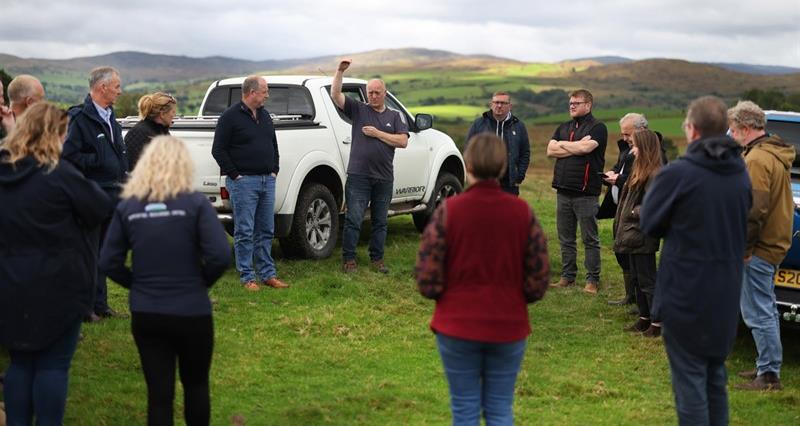
The strategic importance of upland farming has been highlighted at a summit bringing together representatives from the four UK farming unions.
Representatives from NFU Cymru, the NFU, NFU Scotland and the Ulster Farmers’ Union met in Eryri National Park, North Wales, to discuss the challenges and opportunities facing upland farming across the UK.
The summit considered shared concerns across the four nations, as well as differences in devolved agricultural policy and the support needed to secure a viable future for upland farming.
Discussions followed a particularly challenging summer for upland farming communities, marked by prolonged drought and large-scale wildfires.
All four nations agreed that active farmers and their livestock can play an important role in managing vegetation, reducing fuel loads and delivering benefits for the environment and local communities.
“Government policy and support must recognise the value that farming families provide to society; producing food, meeting each nations’ climate and nature obligations and ambitions and underpinning our rural communities. We must provide a platform to ensure a viable future for the next generation in our uplands.”
The four farming unions
Vital role in food production
The unions also emphasised the contribution upland farms make to the UK’s food security.
Upland farming produces high-quality beef and lamb, while also supplying important breeding stock used by lowland farming systems. However, representatives warned that falling livestock numbers across the UK could pose a growing threat to domestic food production.
Alongside food production, upland farming helps maintain landscapes valued by millions of visitors and delivers environmental benefits including water quality, carbon storage and biodiversity.
Common challenges across the UK
Despite differences in agricultural policy across the four nations, summit representatives identified a range of common pressures facing upland businesses.
These included:
- falling livestock numbers;
- low profitability and rising production costs;
- the additional costs associated with remoteness from services and markets;
- extreme weather, including a growing risk of summer wildfires and winter flooding;
- land use change driven by decarbonisation policies;
- rewilding and species reintroduction; and
- the need to create opportunities for the next generation.
The unions said active farming was essential to maintain the social, economic and environmental fabric of the uplands. They called on governments across the UK to ensure agricultural policies properly reward farmers for producing food, managing the farmed landscape and supporting rural communities.
Representatives also stressed that future policies must reflect the variety of farming systems operating in upland areas, including the specific circumstances of tenant farmers, crofters and those farming common land.
Have your say in the NFU uplands survey
The NFU has launched a new survey to gather upland farmers’ views on the challenges and opportunities they are facing.
Encouraging members to share the issues affecting their farms and businesses, NFU Vice-president Robyn Munt said:
“Upland farmers play a vital role in producing the nation’s food, managing some of our most iconic landscapes and supporting rural communities. As the industry continues to face huge challenges and an immediate crisis in cashflow and confidence, it is important that the voices of upland farmers are heard loud and clear.
“That’s why we are encouraging farmers to take part in the NFU’s uplands survey. Whether your concerns relate to farm profitability, environmental schemes, food production, succession, or wider policy changes, we want to understand the issues that matter most to your business.
“The feedback we receive will help inform our policy work and strengthen the case we make on behalf of upland farmers. I would urge anyone involved in upland farming to take a few minutes to complete the survey and ensure their experiences and challenges are represented.”
Joint statement from the four farming unions
“Upland farming is strategically important to all our nations. These areas produce some of the finest beef and lamb in the world, as well as providing the nucleus breeding stock valued by lowland systems across the nations. Farming systems have, over the centuries, shaped iconic landscapes treasured by millions of visitors each year whilst also delivering a wide range of environmental services such as water quality, carbon storage and biodiversity.
“What is clear from this summit is that the uplands across the UK face similar threats: concerns over falling livestock numbers; extreme weather leading to the increasing threat of wildfires in summer and flooding in winter; rising costs aggravated by remoteness from services and distances from markets; low profitability; and the threat of land use change brought about by decarbonisation policies, rewilding and species re-introduction.
“Active farming is, however, essential to maintain the fabric of our uplands. These are living, working landscapes, the ongoing management of which is only possible if it is economically sustainable and there are people there to work the land and care for the livestock.
“While agricultural policies impacting on our upland farms have become increasingly diverse across the home nations, we are clear that upland policy objectives must ensure farmers are properly rewarded for the role they play in underpinning food production, delivering vibrant rural communities and supporting the maintenance and enhancement of the farmed landscape.
“Government policy and support must recognise the value that farming families provide to society; producing food, meeting each nations’ climate and nature obligations and ambitions and underpinning our rural communities. We must provide a platform to ensure a viable future for the next generation in our uplands.
“Policies must acknowledge the rich tapestry of farming systems in operation across our upland areas, ensuring equal access for all, making sure the specific circumstances of our tenant farmers, crofters and common land is properly considered in the design and implementation of agricultural policy.
“Ultimately, it is farming families and their livestock that ensure the long-term sustainability of our uplands delivering environmentally, economically, socially and culturally. Our respective governments must ensure that policy is centred around them.”
The four farming unions are:
- NFU
- NFU Cymru
- NFU Scotland
- Ulster Farmers' Union