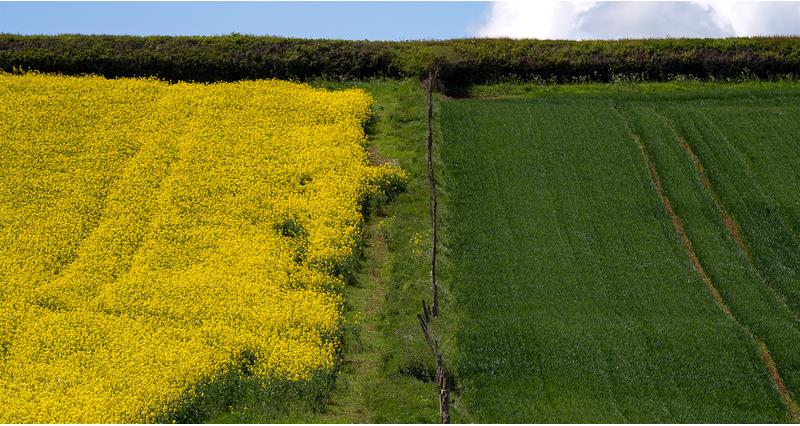
The AHDB recently released the results of its early bird survey using data from agronomy firms across the UK. It is anticipating a 30% increase in the area of OSR (oilseed rape) which will be harvested next summer.
The UK’s production of OSR from the most recent harvest was estimated to be just under 900,000t, with the 2024 harvest producing even less.
Given the UK’s domestic crush demand of around 2.2 million tonnes, an increase in the area of OSR grown across the UK is welcome news for everyone.
“It is welcome to see an increase in domestic planting areas of OSR, offering the potential of a more prosperous OSR harvest to the benefit of everyone.”
NFU Combinable Crops Board Chair Jamie Burrows
Benefits to the supply chain
An increase in output of OSR offers bountiful opportunity to the supply chain. Processors have a desire to use domestic production to fulfil domestic demand, with alternative sources costing between £20 and £40 more per tonne.
Food manufacturers will be able to substitute imported palm and sunflower oil with domestic OSR. Rapeseed meal is a co-product of oil extraction and represents a valuable animal feed to livestock farmers.
Feed compounders will be able to reduce their reliance on imported protein. Rapeseed meal is the most common alternative to soybean meal, and is a highly-valued ingredient in ruminants due to its higher fibre content and lower amino acid availability.
Challenges remain
From an environmental perspective, OSR is one of the best sources of pollen and nectar, especially early on in the season, benefiting pollinators and promoting biodiversity. It is also widely recognised as an important break crop in arable rotations, providing a variety of benefits to soil structure and soil health.
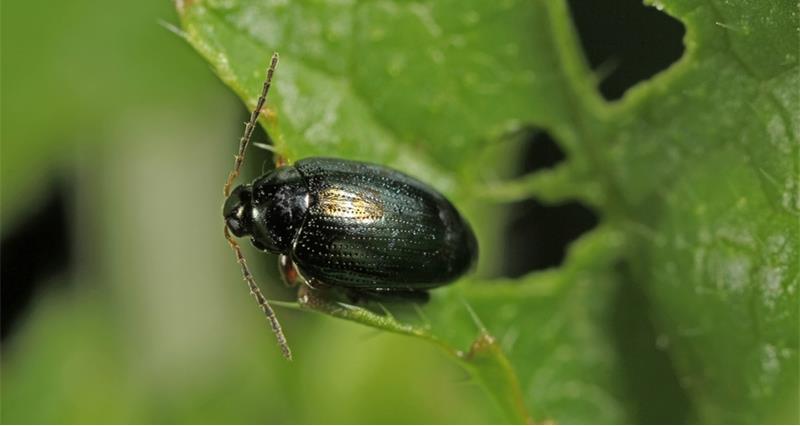
This welcome news is not a reflection that all challenges for growing the crop have gone away. Trade barriers remain, which have a particular impact on seed imports. The regulatory regime for crop protection products remains uncertain. The risk of Cabbage Stem Flea Beetle damage is still at the forefront of our minds.
Nonetheless, it is welcome to see an increase in domestic planting areas of OSR, offering the potential of a more prosperous OSR harvest to the benefit of everyone.