Water quality has been a hot topic of discussion in recent years, with no place attracting greater attention than the iconic Windermere.
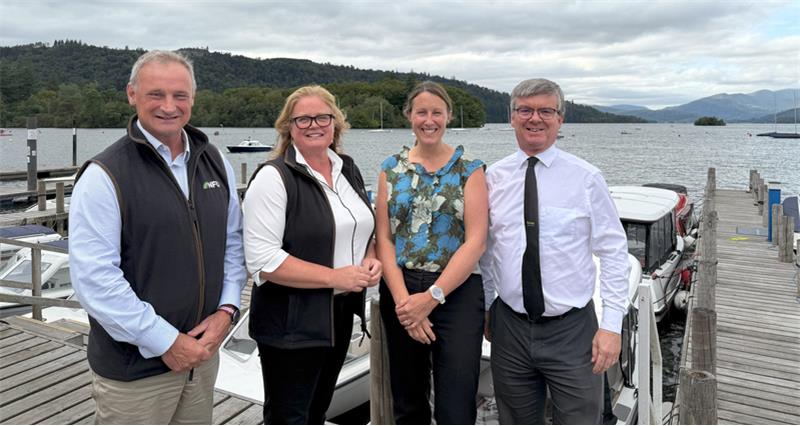
NFU members will recall that this summer, Rachel Hallos, NFU vice-president, visited Windermere followed the ‘water summit’ held on her farm in July and included a meeting with the Love Windermere Partnership – nine organisations committed to tackling water quality challenges.
Last month, the partnership launched its first action plan, committing to deliver 33 actions during the next two years. These include tackling pollution from sewage, encouraging positive contributions from land management, and sharing clear factual information about water quality and the work being done.
Why water quality matters
Windermere sits in the heart of the Lake District National Park, a UNESCO World Heritage Site. Its catchment is predominantly rural, and home to between 14,000 and 17,000 people, but it also welcomes over seven million visitors each year. This protected landscape has been shaped by farming and picturesque landscape design, and it continues to inspire millions, just as it once captivated artists and writers like Beatrix Potter.
But behind the postcard scenery, Windermere faces growing pressures. Like many lakes worldwide, it is under strain from excess nutrients, the warming effects of climate change and invasive species. These challenges threaten not only the ecology of the lake but also its cultural and economic importance.
Science behind the headlines
Nutrients such as phosphorus and nitrogen are essential for healthy plant growth, but in aquatic environments, when combined with warmer lake temperatures, they can trigger harmful algal blooms – as seen in 2022. These blooms reduce oxygen levels, harm fish and wildlife, and deter swimmers and water users.
Windermere has seen phosphorus levels decline since the 1990s, thanks to regulator-led water company investment, bans on phosphate-based detergents and changes in land management. But warmer lake temperatures mean small amounts of nutrients can still cause problems.
The algal bloom documented in 2022 was a stark reminder of what can happen when conditions align. And while progress has been made, the story for Windermere is complex. Nutrients, extreme weather, invasive species and emerging threats such as microplastics and ‘forever chemicals’ interact in ways we are still learning about. When solutions require everyone to play a part, blame often becomes the easy option.
What's being done?
United Utilities, often in the spotlight, is investing £200 million over the next five years to reduce storm overflow spills and upgrade treatment works across the catchment.
The largest sewage treatment works on Windermere has achieved the highest standards of phosphate removal since 2020, and future upgrades will bring nine other sites up to that technically achievable (or thereabouts) limit for phosphorus. Storm overflow spills will be cut to a maximum of 10 per year.
But the partnership’s message is clear: improving Windermere isn’t just about one organisation, it is going to take everyone playing their part. The action plan includes measures to improve the maintenance of some 1,800 septic tanks and 90 privately-permitted sewage treatment works in the catchment, actions to work with land managers and farmers to help them make a positive contribution, as well as actions to help visitors and lake users make positive choices.
NFU North Environment and Land Use Adviser Helen Forrester said: “Everyone has a part to play in improving the water quality in Windermere, one of England’s most iconic lakes. I’m keen that we work with the farming community to showcase the positive work taking place on farms in the catchment.”
Farming's role in the solution
Let’s set the record straight. Farming is not to blame for the water quality pressures on Windermere. But agriculture plays a vital role in land management, and we would be foolish to discount its contribution altogether, and it would be short-sighted not to acknowledge the positive role land management can play in securing a healthier future.
You won’t find a large dairy farm in the Windermere catchment; you also won’t find pig or poultry units, and salad or vegetable crops would be rare on the steep mountain slopes. But fertiliser use was once routine, and legacy nutrients remain in the soil. In 2023, the partnership funded a small-farm engagement project offering free soil sampling and improved nutrient management planning to all farms in the catchment. Twenty seven farms accepted the offer, and results showed elevated nutrient levels in 46% of fields tested.
With the right tools and information to hand, farmers have been able to better target manure applications across the farm to ensure the best use of their available resources, reduce the need to bring in additional fertilisers and correct any imbalances that may affect the availability of these nutrients for uptake by vegetation.
Soil is, of course, one of our most precious commodities, and when it is on land and with the right structure and balance of nutrients, it’s the source of all good things. That soil, together with its nutrients, if washed into the rivers and ultimately the lake, is a contributor to algal blooms – it’s a lose-lose for the farmer and the environment.
Science and collaboration in action
The Partnership has teamed up with Catchment Sensitive Farming to take advantage of its Citizen Science project – Sediment Finger Printing.
The project works alongside farmers and land managers in the Troutbeck sub-catchment to better understand where soils are being lost, and how different types of land use in the catchment contribute. The project uses simple techniques to match suspended sediment captured at high flows, low down in the catchment, to soil samples taken in the upper reaches. Land managers and farmers can then use the data to inform where they might apply techniques to reduce erosion and retain their precious soil resource, whether it be due to pressures from farming, tourism or a changing climate.
There are at least three great projects where farms in the catchment are working collaboratively with partners to reduce surface water runoff. The simple acts of improving infiltration or holding water in natural hollows can reduce the load on sewers, which in turn reduces storm overflow spills. Other examples include capturing road runoff, helping reduce surface water flooding to maintain vital access routes during heavy rainfall events, and ensuring that flow or flood isn’t passed downstream, taking hydrocarbons and other contaminants with it.
Why this matters for farmers
The message is clear: Windermere faces a bright future if every single one of us plays our part, and like most big problems, working together will give us a greater chance of success. Windermere farmers have an exciting opportunity to showcase how farming not only provides us with food for the table but also makes a positive contribution to the water challenges we face. Working together, we can protect this iconic lake.
Get involved
To find out more, visit the Love Windermere website or email the NFU North lead Helen Forrester.