Defra has suggested that the strategy can improve welfare for farmed animals, citing examples such as moving away from confinement systems like colony cages for laying hens as one of the ways it intends to do this.
Reforms announced for farming range from breeding strategies, such as promoting the use of slow-growing meat chicken breeds, to exploring how method-of-production food labelling could be used to aid consumer transparency.
Defra has also committed itself to championing high animal welfare standards around the world and has said it will consider whether overseas produce has an ‘unfair advantage’ and that it would be prepared to use the ‘full range of powers' at its disposal to protect our most sensitive sectors when it comes to trade deals.
“We have long called for a set of core standards for food imported into the UK; it must meet the same production standards as asked of our farmers.”
NFU President Tom Bradshaw
However, without an unequivocal commitment to core standards, the NFU is concerned that the strategy appears to fail to adequately consider domestic food security and competitiveness by focusing on further raising standards for domestic animals.
You can read the strategy in full at: GOV.UK | Animal welfare strategy for England.
Imports must not undermine British farmers
Responding to the publication of the strategy, NFU President Tom Bradshaw said: “Shoppers up and down the country rightly demand high-quality, affordable British food on supermarket shelves which is produced to some of the highest animal welfare standards in the world. Upholding those high animal welfare standards has always been of paramount importance to British farmers.
“The NFU will examine the government’s animal welfare strategy in detail now it has been published.
“If the government proposes raising domestic animal welfare standards further it must also take steps to ensure consumers are protected from imported food that could be produced to lower standards, and that British farmers are not asked to compete with imports produced at those lower standards which would be illegal for them to work to.
“We have long called for a set of core standards for food imported into the UK; it must meet the same production standards as asked of our farmers. It is what the British people expect and it’s time a system of core standards was properly established in UK law.”
As a first step towards achieving these core standards, the NFU is calling for a government-led working group to identify the relevant standards and potential methods of enforcement.
What has Defra announced?
The strategy also includes support for the Animal Health and Welfare pathway – the NFU awaits further information on this and how it will help farmers following the roll-out of the Animal Health and Welfare review in 2024. We expect to see further details emerge on how the pathway can ensure that farmers do not carry the ultimate cost of government societal aspirations.
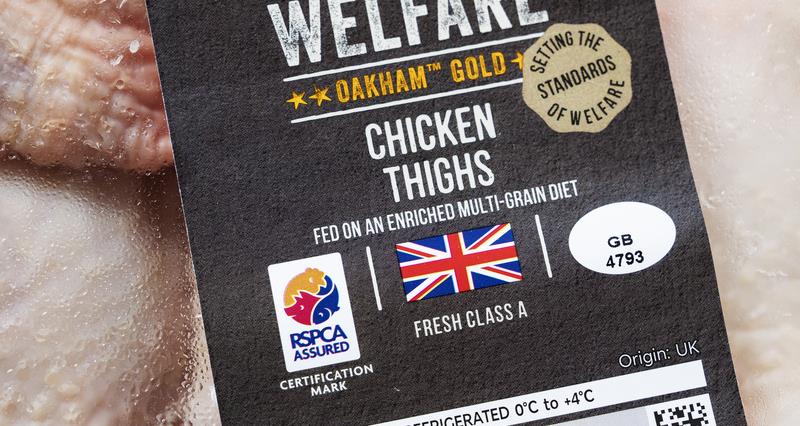
Elsewhere on food labelling, Defra has said it is committed to ensuring consumers have clear information on how their food is produced and will look to support this through working with stakeholders, including the farming industry, on how food labelling, including method-of-production labelling, could improve animal welfare.
The NFU has made clear that while improved food labelling can help transparency, mandatory method-of-production labelling is not an effective or reliable way to communicate animal welfare outcomes. Mandatory labels based on production systems risk confusing consumers and place unreasonable burdens on businesses, as method-of-production is not necessarily an indication of the level of animal welfare. Instead, labelling should be clear, simple and unambiguous, with better country-of-origin information and assurance scheme recognition to help shoppers make informed choices, supported by easily accessible online information.
Keep an eye on this webpage which we will be updating with sector-specific explainers on Defra's new strategy.