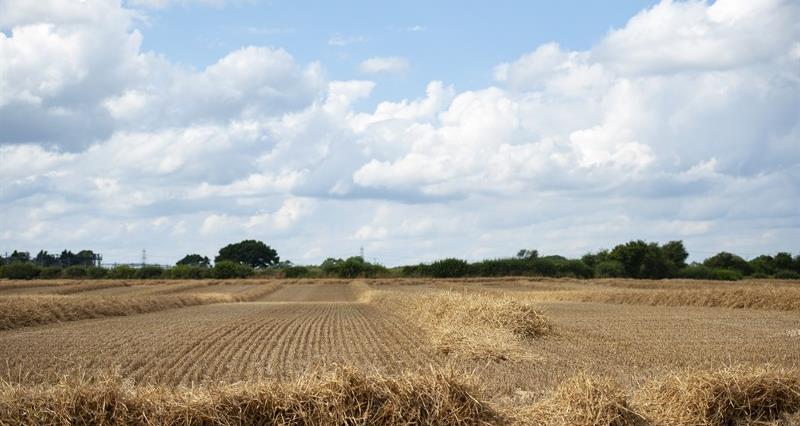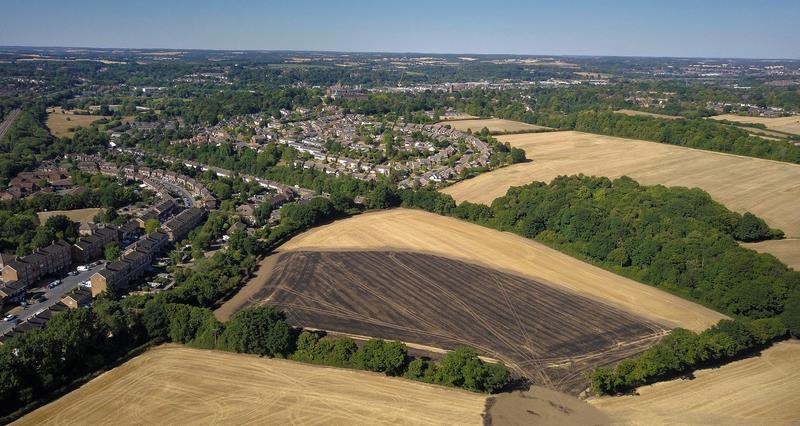
The warning follows a record dry spring and continued run of heatwaves and dry weather throughout the summer.
The sustained spell of dry weather during 2025 resulted in a challenging harvest, with many arable farmers experiencing significant reductions in both yield and quality which hit cashflows and contributed to the already significant financial pressures on farming businesses.
Grass growth has also been hit, leading to reduced feed for livestock, while crops such as onions and potatoes were also impacted.
“With farmers and growers making decisions on what to plant for 2026, we must try to mitigate the impacts now.“
NFU Vice-president Rachel Hallos
This spring was the driest in 132 years, with the following summer being the hottest since records began.
East set to be worst affected
NFU Vice-president Rachel Hallos said the unprecedented dry conditions had been “extremely challenging” with the EA's new report confirming “we must now fully prepare ourselves for more of the same heading into 2026 and beyond”.
The Met Office is forecasting heavy rain into Saturday ahead of Storm Claudia sweeping across the UK. However, “groundwater levels are just not recovering, and many reservoirs are completely dry”, Rachel warned.
The EA (Environment Agency's) drought prospects report, published today, looks at the level of rainfall needed over the next few months to ensure the country's water levels recover by spring 2026. It examines three different rainfall scenarios, from average rainfall to a dry, and very dry winter, and what these would mean for the nation's water security.
Even if the UK experiences average rainfall this winter, parts of Cambridgeshire and Bedfordshire would remain in prolonged dry weather the report warns.
Currently, Yorkshire, East Midlands, West Midlands and parts of Sussex are all in drought.
EA advice for farmers
The EA has said farmers should decide if they need to adjust cropping patterns to include more drought tolerant crops or varieties that do not need as much irrigation. It also says farmers should look to fill reservoirs as soon as possible and work with neighbours to share water rights, or share water where possible.
The regulator has said it will conduct enhanced monitoring, increase checks on abstractors, and continue to work with water companies in preparation for a drought scenario next spring.
“With farmers and growers making decisions on what to plant for 2026, we must try to mitigate the impacts now,” NFU Vice-president Rachel Hallos added.
“A good start would be more flexibility with abstraction licences, including extensions to winter licences, so if it rains after March next year and water is available, anyone with a reservoir can take the water they need.
“The NFU is also supportive of Water Abstractor Groups which could work more effectively with each other, abstractors in other sectors and the Environment Agency to better understand and manage the risks they face."
Earlier this year, the NFU worked with the EA to secure water access for dozens of farmers in Norfolk, Suffolk and Cambridgeshire, raising their case for water abstraction following a cessation order.
NFU Vice-president Rachel Hallos also brought together key players from across the industry for a summit in July to discuss the challenges around water quality and availability.
NFU asks
Rachel added: “As we concluded at this summer’s NFU water summit, communication is also so important. Conversations must continue so we have a joined-up approach that allows us to collaborate better with government and its agencies, local authorities, the supply chain and water companies, to ensure our farming businesses remain resilient, have access to a clean supply of water and can maintain the country’s food security.”
With the Autumn Budget due on 26 November, the NFU has said this presents an opportunity to enhance the Annual Investment Allowance so that farmers and growers are incentivised to invest in on-farm water storage.
The NFU is calling on the government to renew its relationship with farmers and growers at the Budget by introducing measures that will ignite investment and growth in the industry.