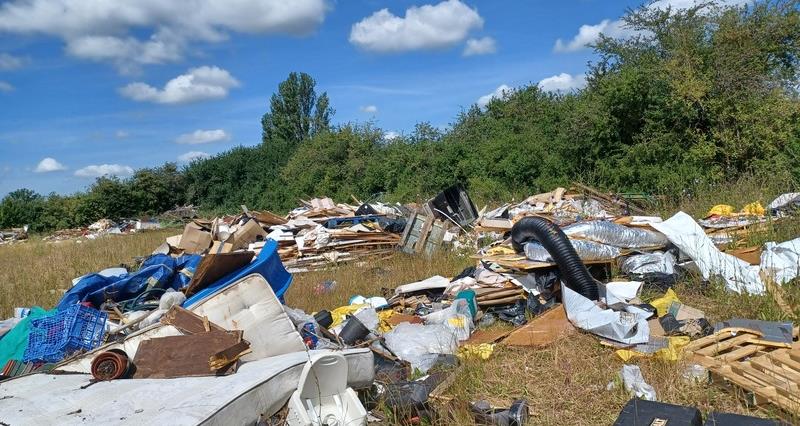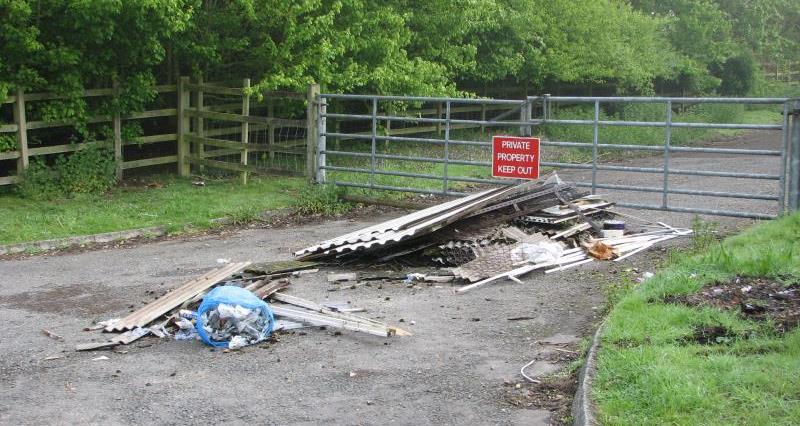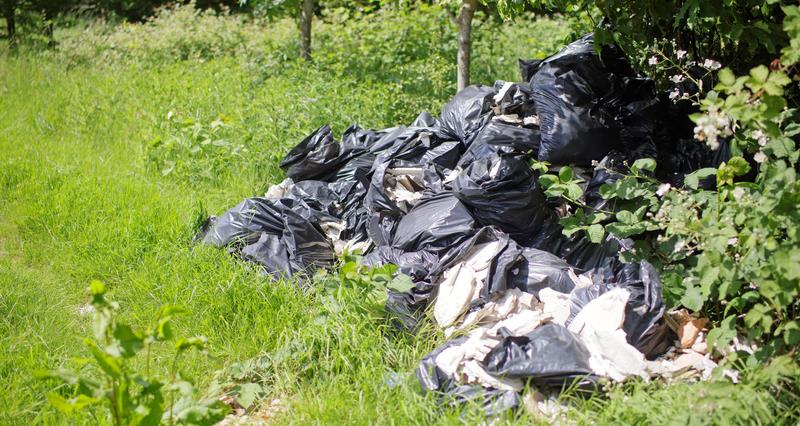
The letter follows a short inquiry focused on serious and organised waste crime which saw the Committee set out a number of key recommendations, with an independent review topping its list.
The NFU sits on the Board of the National Rural Crime Unit and fed into the NRCN’s (National Rural Crime Network) evidence session as part of the inquiry.
The previous government conducted a review in 2018 which highlighted these issues, however, little has been done to make any progress.
The NFU has welcomed the news, having long raised concerns about the serious impact of fly-tipping and illegal waste dumping on farms and rural communities.
“It’s vital that government works with farmers and growers to ensure effective deterrents are in place and deliver a consistent and properly resourced approach to tackling fly-tipping.”
NFU Vice-president Rachel Hallos
The inquiry's findings reinforce what we have been saying for years – that organised criminals are operating in rural areas, targeting vulnerable farming families and their businesses.
Single reporting system
Peers have recommended that the government establishes a single telephone number and online reporting tool for the public to report waste crime.
“We have been emphasising for many years the real difference a single reporting system would make in reducing the burden on victims, and it’s good to see the House of Lords agree its importance,” NFU Vice-president Rachel Hallos said in response.
Currently, farmers and land managers who discover fly-tipping often have to report it to several different authorities. This process can be time-consuming, confusing and frustrating. The NFU wants to see one clear reporting system where victims can log an incident just once, know that the right authority has been informed, and receive updates on what action is being taken.
Independent review
The Committee has said that the response to how waste crime is dealt with must be subject to an independent, comprehensive review. This review should be conducted separately from Defra, the Environment Agency and HMRC, and should be completed and responded to by the government by May 2027 at the latest.
The NFU supports a national review of how waste crime is managed, particularly where responsibilities are split between different agencies.
Improving local collaboration
The Committee has also called for the Joint Unit for Waste Crime to improve collaboration between bodies responsible for tackling waste crime at the local level, particularly local government and policing. This includes improving how reports are handled and how intelligence is shared.
“While some areas see good collaboration between police, local authorities, landowners, the Environment Agency and the criminal justice system, we need that joined-up approach on prevention, clean-up and prosecution everywhere," Rachel Hallos added.
Prevention
The NFU is also calling on government to help develop further guidance to ensure those with prosecution powers are able to deliver effective punishments to deter criminals dumping waste illegally.
This includes raising awareness of offences which affect rural communities and working with those bringing cases to court to ensure they make full use of the range of sentencing powers available and meet the requirements of the Environmental Offences Definitive Guidelines to ensure cases are successful.
“It’s vital that government works with farmers and growers to ensure effective deterrents are in place and delivers a consistent and properly resourced approach to tackling fly-tipping – one that supports victims rather than penalising them,” Rachel said.
Chair of the Committee, Baroness Sheehan said the inquiry found that more than 38 million tonnes of waste is being illegal dumped each year, mainly by established organised crime groups.
She said: “Despite the scale and seriousness of the crimes, raised by the members of the public in many cases, we have found multiple failings by the Environment Agency and other agencies from slow responses to repeated public reports (as in the case of Hoad’s Wood, Kent) through to a woeful lack of successful convictions.
“The government and other agencies must act now on our recommendations, including starting an independent review. There is no time to waste.”