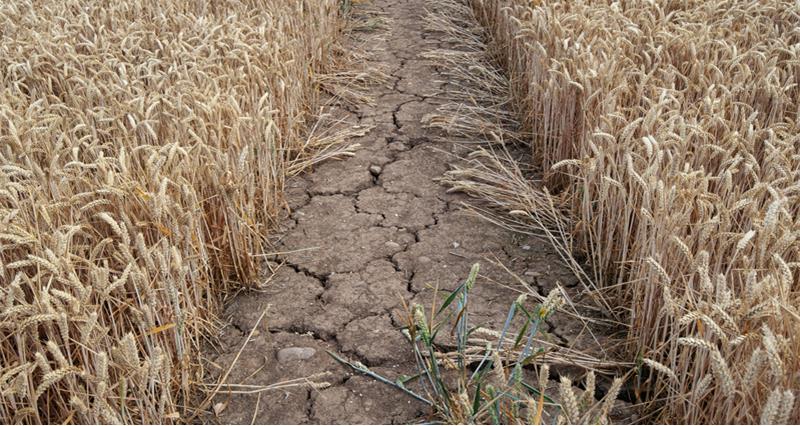
Drought has been declared in Yorkshire, Cumbria and Lancashire, Greater Manchester Merseyside and Cheshire, East Midlands, and the West Midlands, with the Northeast, Lincolnshire and Northamptonshire, East Anglia, Thames, Wessex, Solent and South Downs experiencing prolonged dry weather.
The NDG (National Drought Group) has met to address “nationally significant” water shortfalls following the driest six months to July since 1976.
“We urgently need investment in water infrastructure and a more effective planning system.”
NFU Vice-president Rachel Hallos
Growers have welcomed the recent rainfall, although this has helped mask the fact July was the fifth warmest on record, and farmers bringing in the harvest continue to feel the impact from the dry weather experienced this year.
Significant drop in yields
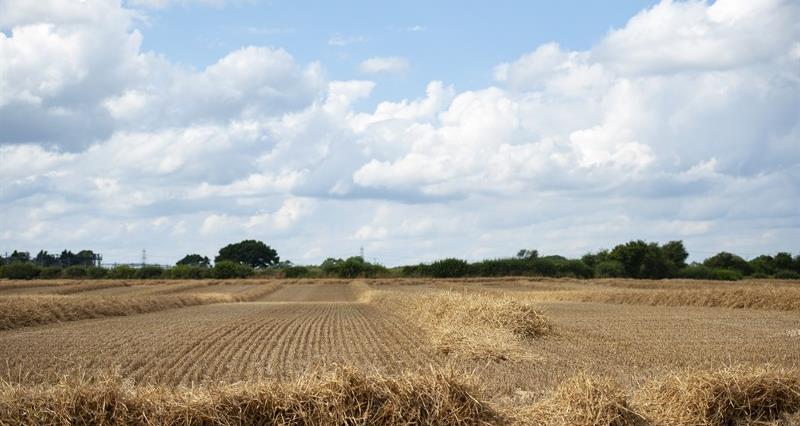
Following the meeting, NFU Vice-president Rachel Hallos said: “British farmers and growers continue to face extremely dry conditions, with harvest underway and crop yields proving mixed across the country. Some farms are reporting a significant drop in yields, which is financially devasting for the farm business, and could have impacts for the UK’s overall harvest.”
The recently released AHDB 2025 harvest progress report 3 paints a varied picture across the country with some seeing better-than-expected yields, while others are facing significant drops which will have substantial financial implications on their businesses.
Meanwhile, livestock farmers are experiencing minimal grass growth, meaning they are already tapping into winter feed stocks, raising the risk of higher production costs later in the year. The Addington Fund/Forage Aid would encourage farmers who anticipate a shortfall in fodder or bedding to consider supplementary feeding of store stock now. This proactive step could help reduce pressure over the winter period.
More information on the fund can be found at: Addington Fund | Emergency Relief.
“Farming is a long-term industry and there is growing concern about the months ahead,” Rachel added.
“Access to clean, reliable water is essential for food production. What’s worked well during this drought has been early, coordinated communication with stakeholders around licence restrictions and drought permits and orders and it’s crucial this continues.
“To avoid the swing between extreme drought and flooding and to secure water supplies for food production, we urgently need investment in water infrastructure and a more effective planning system.”
Government response
The EA’s (Environment Agency) Director of Water and NDG chair, Helen Wakeham called on everyone to play their part to reduce the pressure on water.
She said: “Water companies must continue to quickly fix leaks and lead the way in saving water. We know the challenges farmers are facing and will continue to work with them, other land users, and businesses to ensure everyone acts sustainably.”
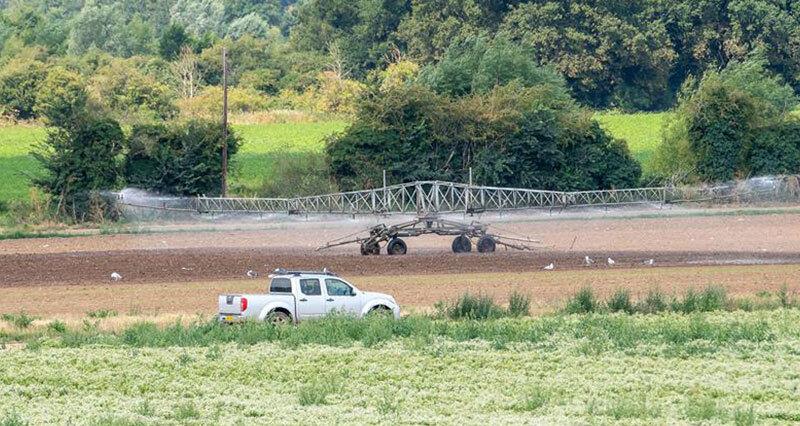
The EA is working closely with farmers in East Anglia, requesting voluntary reductions on surface water abstraction. This follows a meeting last month, organised by the NFU, which saw more than 150 farmers in Norfolk, Suffolk and Cambridgeshire able to resume water abstraction after the NFU raised their case with the EA when notices of cessation of abstraction licences were issued.
Abstractors can contact the Environment Agency to receive water abstraction alerts via email.
Speaking after attending the meeting, Water Minister Emma Hardy said: “Working with the National Drought Group, the government is urgently stepping up its response to ensure we are successfully managing the impacts of ongoing dry weather.
“Water companies must now take action to follow their drought plans – I will hold them to account if they delay.”
In addition to the reservoirs in the Fens and Lincolnshire, water companies have committed to a further seven reservoirs by 2050. These will be in Oxfordshire, Somerset, Suffolk, Kent, East Sussex and the West Midlands.
Get support
NFU members can stay up to date with information on dry weather conditions, including the impact on agri-environment schemes, abstraction licences and advice for irrigators on our dry weather essential information page.
We also regularly update our National Drought Group page following each meeting. The National Drought Group is made up of representatives from the NFU, the Met Office, government, regulators, water companies, the Canal and River Trust, anglers and conservation experts.