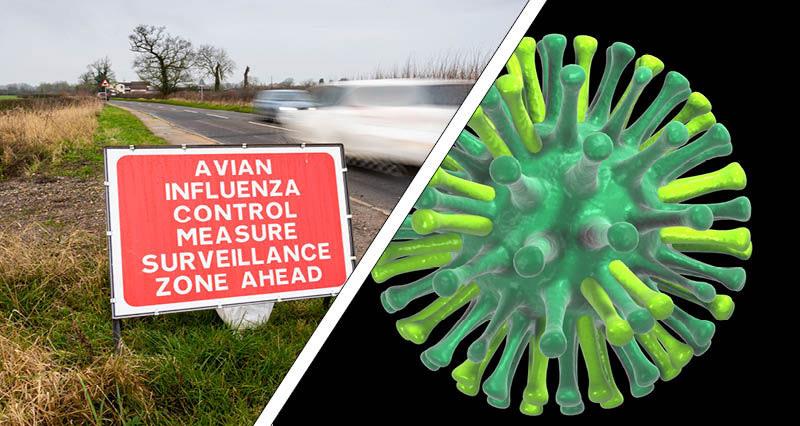
Compulsory housing measures for poultry and captive birds will be introduced across the whole of Wales from Thursday 13 November. The move follows the England-wide housing measures that came into force on 6 November in response to increased findings of highly pathogenic AI (avian influenza) in wild birds and recent cases in poultry and kept birds.
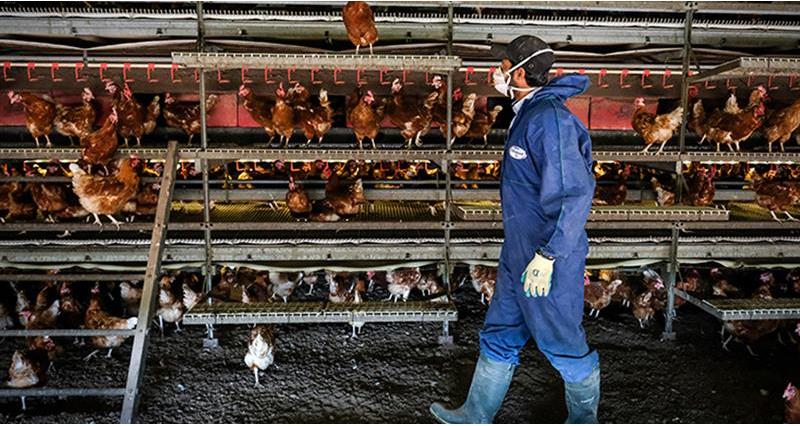
Keepers across the whole of England and Wales with flocks larger than 50 birds, or those with fewer than 50 birds who sell or give eggs away, must house all poultry and captive birds.
Regional housing measures had already been introduced for northern and parts of central and eastern England on 30 October.
The measures apply to all keepers who have more than 50 birds, or those with fewer than 50 birds who sell or give eggs away.
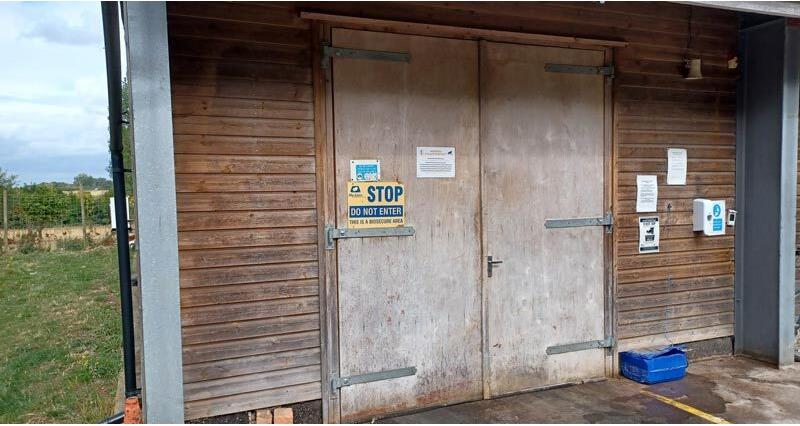
An AIPZ (Avian Influenza Prevention Zone) remains in force across the entirety of Great Britain to mitigate the risk of outbreaks of the disease. This requires taking enhanced biosecurity measures, such as mandatory record keeping, disinfecting footwear, and cleansing and disinfecting housing and concrete walkways on a continuous basis.
The AIPZ enhanced biosecurity measures apply to all bird keepers and are essential to protecting flocks from avian influenza.
For more information on AI in England, visit:
- GOV.UK | Bird flu (avian influenza): latest situation in England
- GOV. UK | Risk levels and outbreak assessments
- GOV.UK | Heightened avian influenza risk warning issued to bird keepers and gamebird rearers
For more information on AI in Wales, visit:
“Housing birds is an important part of a suite of measures to help prevent any further outbreaks of this devastating disease, and we now urge other devolved administrations to consider extending these measures to protect the national flock.”
NFU Poultry Board Chair Will Raw
Decisive action
NFU Poultry Board Chair Will Raw said: “It is vital the government acts decisively to protect farmers across the country from the threat of avian influenza, and that is why we are pleased to see both Defra and the Welsh government implement national mandatory housing measures across England and Wales.
“Housing birds is an important part of a suite of measures to help prevent any further outbreaks of this devastating disease, and we now urge other devolved administrations to consider extending these measures to protect the national flock.
“In light of recent cases of avian influenza being confirmed and the heightened risk for poultry and wild birds, I urge all bird keepers, regardless of their size or location, to remain vigilant, maintain stringent biosecurity measures and report any signs of disease in their birds at the earliest opportunity.”
Keepers should remain vigilant
UK Chief Veterinary Officer Christine Middlemiss said: “Given the continued increase in the number of avian influenza cases in kept birds and wild birds across England, we are now taking the difficult step to extend the housing measures to the whole of England.
“I appreciate the impact these measures have on industry and am extremely grateful for the continued cooperation of the poultry sector. We know from previous years that housing birds will bring the rates of infection down from the high we are currently experiencing.
“I urge bird keepers to comply with the new housing measures, continue to exercise robust biosecurity measures, remain alert for any signs of disease and report suspected disease immediately to the Animal and Plant Health Agency.”
Previously announced measures
- 6 November 2025: National Avian Influenza mandatory housing order declared for England.
- 30 October 2025: Regional housing measures introduced across northern and parts of central and eastern England.
- 20 August 2025: Additional biosecurity measures introduced for game bird rearers and shoot operators.
- 15 May 2025: Mandatory housing measures lifted.
- 7 April 2025: Cumbria, County Durham, Northumberland and Tyneside also mandated to follow housing orders.
- 16 February 2025: Mandatory housing extended to cover
- 30 January 2025: Welsh government introduces an AIPZ across all of Wales.
- 25 January 2025: Mandatory housing orders declared in York, North Yorkshire and Shropshire. AIPZ extended to the whole of England.
- 23 December 2024: Defra declares mandatory housing measures in the East Riding of Yorkshire, City of Kingston upon Hull, Lincolnshire, Norfolk and Suffolk.
- 13 December 2024: AIPZ comes into force across parts of the East of England.
What does the AIPZ mean for bird keepers in GB?
The Secretary of State has carried out a risk assessment and requires all keepers of poultry and other captive birds including pet birds in the AIPZ to comply with the minimum biosecurity measures set out in schedule 1 of the declaration.
To help keep birds disease-free, the Welsh Government has created two biosecurity self-assessment checklists for commercial and small poultry keepers.
All keepers who keep 500 or more poultry or other captive birds in any part of the AIPZ must comply with the measures in schedule 1 and in addition comply with the measures in schedule 2 of the declaration.
Game bird rearers and shoot operators must also comply with the measures set out in Schedule 3 of the declaration.
There are different requirements for keepers of poultry or other captive birds at a premises licensed under the Zoo Licensing Act 1981, keepers of racing pigeons, doves or other Columbiformes and keepers of birds of prey or other birds trained to fly from hand or under close control in the Avian Influenza Prevention Zone.
These keepers can find out more information about what measures they should be taking in the various schedules of the government’s AIPZ declaration.
A summary of requirements bird keepers in the AIPZ must meet are listed below but all keepers are encouraged to read Defra’s declaration in full to see what the full requirements are as these are dependent on how many birds you have:
- keep feed and bedding inside
- cleanse and disinfect clothing, footwear, equipment and vehicles before and after contact with poultry and captive birds– if practical, use disposable protective clothing
- reduce the movement of people, vehicles or equipment to and from areas where poultry and captive birds are kept, to minimise contamination from manure, slurry and other products
- carry out effective vermin control in any areas where poultry and captive birds are kept
- thoroughly cleanse and disinfect housing and concrete walkways on a continuous basis
- keep fresh disinfectant at the right concentration at all farm and poultry housing entry and exit points
- make your premises unattractive to wild birds (e.g. use bird scarers, foils or streamers)
If disease is suspected
If you suspect bird flu in poultry or other captive birds, you must report it immediately by calling:
- 03000 200 301 if you’re in England
- 03003 038 268 if you’re in Wales
- your local Field Services Office if you’re in Scotland
Bird flu is a notifiable disease in poultry and other captive birds. If you do not report it, you’re breaking the law.