
Calls are being made for increased support for farmers within the South Downs National Park following a new report that highlights the crucial role they fulfil.
The South Downs National Park 2025 Economic Profile shows the park is the ‘economic powerhouse’ of England’s protected landscapes, with GVA (gross added value) of £3.84 billion.
Siôn McGeever, Chief Executive of the South Downs National Park Authority, said: “This is a really significant study for us and shows that national parks are bigger players in the UK economy than many realise – and we’re growing fast.
“It’s actually the manufacturing and knowledge-based technical sectors that are growing most quickly, challenging assumptions that Britain’s beautiful landscapes are purely about tourism and farming.
“However, farmers continue to be the lifeblood of the South Downs National Park and many other rural economies. They’re struggling, so we’d like to see greater support to help them thrive, including expanding opportunities for innovation, diversification and nature-friendly farming.
“Nature-based solutions are a rapidly growing area in the National Park, where corporations and developers can invest in creating new woodlands, grasslands and wetlands that also help fight climate change, and ultimately it’s farmers and land managers who will deliver these.
“Without them we cannot deliver our nature targets and we cannot grow the food we need. So it’s really important that government policy continues to support these emerging markets.”
““This highlights a great example of how farmers across the South Downs National Park are working collaboratively to deliver environmental benefits and economic growth.”
NFU East Environment and Land Use Adviser Polly Lawman
Key findings from the study include:
- There are almost 6,000 businesses in the South Downs National Park.
- The workforce of the National Park is around 61,000 people.
- The National Park is the second most visited in England – with around 19.2 million visitors and over 90 per cent being day visitors. The visitor economy generates over £400m for the region.
- Manufacturing employment has grown by around 50 per cent, led by expanding sectors such as sustainable food and drink.
- Land-based sectors, including farming, forestry, wine, and fishing deliver an estimated £67.9 million in direct Gross Value Added.
NFU East Environment and Land Use Adviser Polly Lawman said: “This highlights a great example of how farmers across the South Downs National Park are working collaboratively to deliver environmental benefits and economic growth.
"We echo the request for continued long-term support for farmers, to allow their businesses to innovate and produce safe, sustainable and high-quality food while managing this special landscape.”
Among the biggest growth areas for the National Park is landowners dedicating areas to nature restoration funded by the private sector. Over 120 acres of the Iford Estate, near Lewes – or 80 football pitches – have now been formally dedicated to nature recovery, thanks to two groundbreaking legal agreements with the National Park Authority.
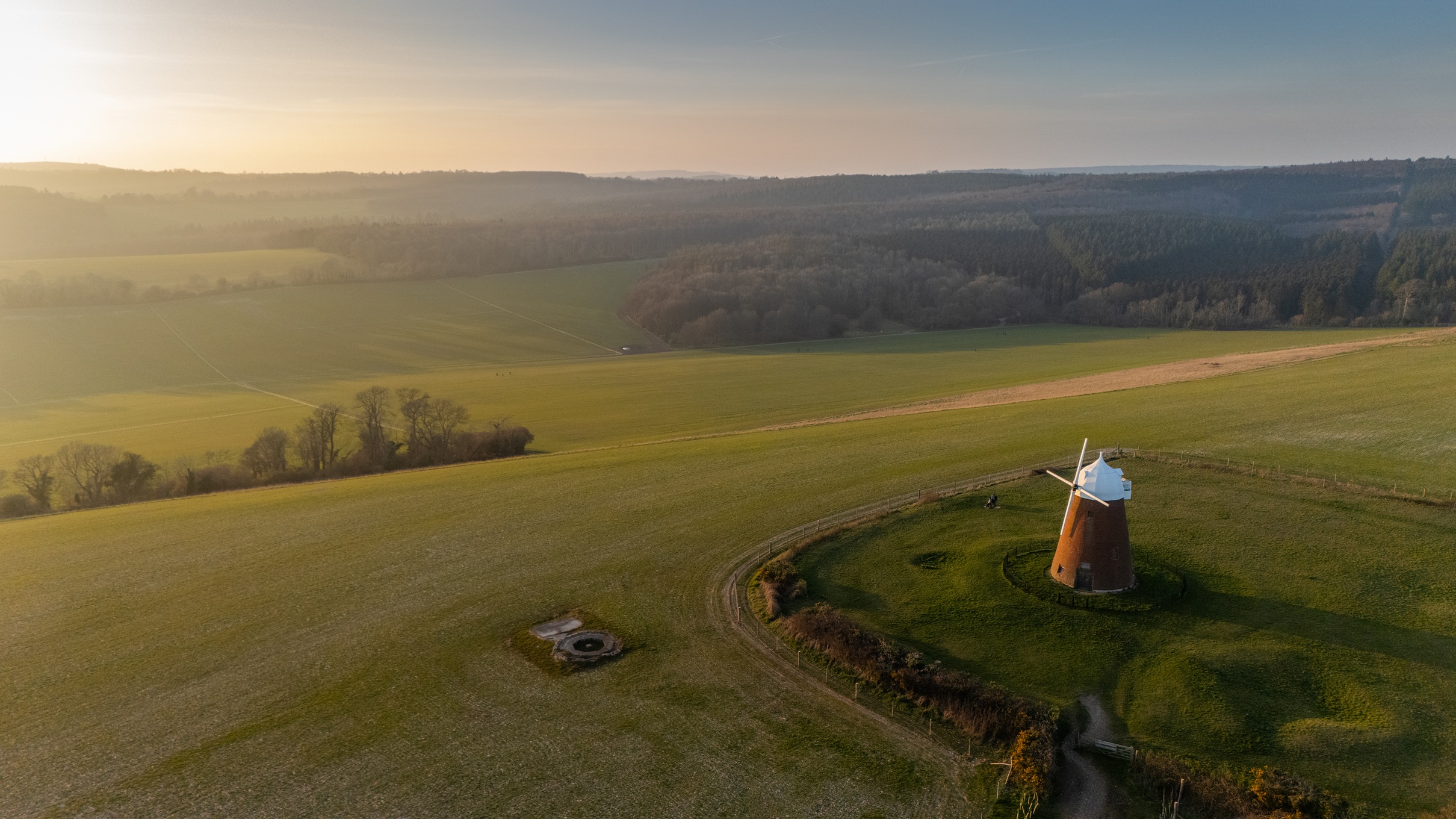
Meanwhile, Halnaker Hill Farm, near Chichester, is one of the largest nature restoration projects in the UK. Around 330 acres of land is being restored to its natural condition centuries ago, with a rich mosaic of wildlife habitats including hedgerows, grassland, ponds, woodland and wildflower meadows.
- GVA stands for Gross Value Added and is the measure of the value of goods and services produced in an area, industry or sector of an economy.