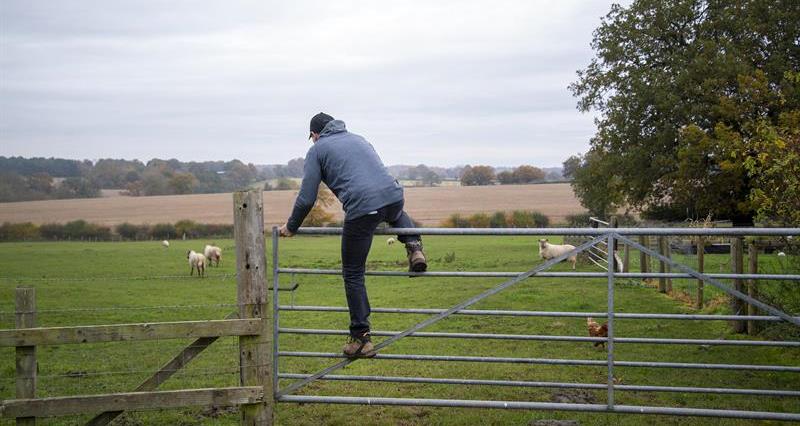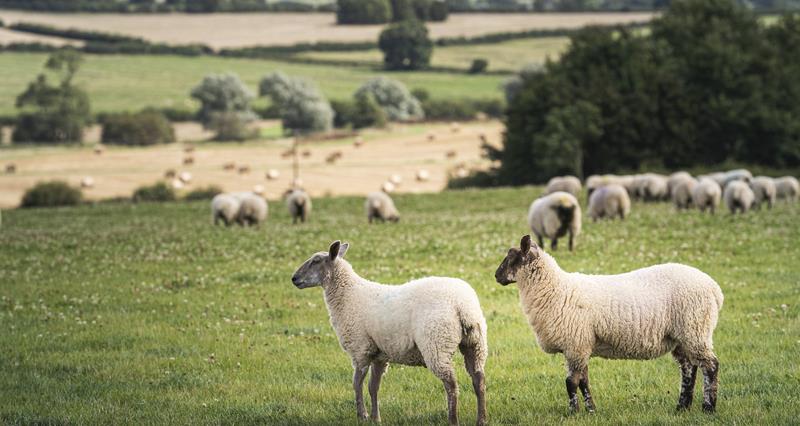
Livestock theft cost UK farmers an estimated £3.4m million in 2024 alone, according to figures from NFU Mutual, and recent upward trends in the value of beef and lamb mean that livestock remains an attractive target for would-be thieves.
“Farm theft prevention can seem like a chore because it seems to slow our day down,” says Martin Beck, Police National Livestock Theft Coordinator at the NRCU (National Rural Crime Unit).
“However, applying basic prevention might just stop someone from stealing your animals.”
Protecting your farm
Understanding the motives of livestock thieves can be an excellent place to start when considering how to deter thieves from targeting your farm.
While the stereotypical idea of livestock theft may centre around an image of organised criminal gangs using cattle wagons, many thefts are on a smaller scale or conducted by opportunist thieves.
“These thieves don’t want to be seen or heard, to take long gathering and loading, or to leave any forensic evidence behind, and so making your field and animals less attractive to theft is key,” says Martin.
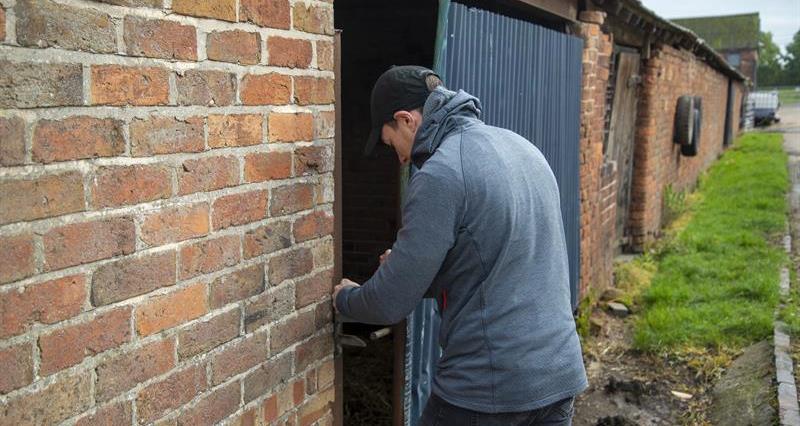
Preventing access
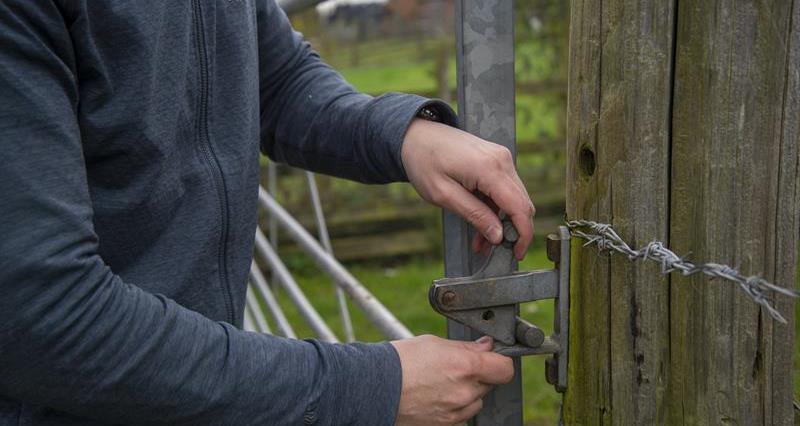
Ensuring that field boundaries are well maintained, gates are padlocked, and gate pins are reversed to stop thieves lifting gates off their hinges can all be effective methods of deterring thieves looking for easy opportunities.
Where possible, using barricades to prevent trailer access to fields, making turning of trailers near access points difficult, and making it generally more challenging to move the livestock out of a field can also be effective.
In locations where gateways cannot be blocked or secured, you may wish to consider investing in a gateway alarm that can alert you when gates are opened.
Animal identification
Thieves who steal livestock often do so with the intention of passing animals off as their own before disposing of them through legitimate livestock auctions and slaughterhouses.
Freeze-branding cattle or ensuring sheep are clearly marked with bright, well maintained, unique flock marks can make this more difficult and so can act as a powerful deterrent against theft.
CCTV and people presence
Creating a sense of presence, whereby would-be thieves worry they may be caught in the act, can also be a strong deterrent.
This can be achieved by installing CCTV or numberplate recognition cameras at farm entrances, or by ensuring stock are checked on regularly and at varied times of day.
Consider how your local community might also play a role in alerting you to suspicious activity taking place on and around the farm.
Do neighbours, local tradespeople, regular walkers, or even the local postmen know how to contact you if they see a suspected crime taking place?
Position high-risk animals out of sight
While cattle, pigs, and poultry are all potntial targets for would-be thieves, by far the most commonly targeted species are sheep, with figures from the NRCU suggesting that sheep and lambs represented around 70% of all livestock stolen in 2024.
Furthermore, fat and store lambs are the most likely target for thieves as they can be quickly disposed of via markets or abattoirs.
If possible, prioritising grazing sheep and lambs in fields away from roads, where they are more easily targeted by thieves, can be an excellent and relatively simple measure to reduce your risk of theft.
What to do in the event of a theft
Unfortunately, even when precautions are taken, livestock thefts can still occur.
If you believe your animals have been stolen, it is vital you contact the police as soon as possible to report the crime.
Clear reporting
It’s important not to assume that the police officer receiving your report has a strong understanding of farming or livestock, so you may need to be patient and, if needed, take the time to help them understand what has happened.
Try to provide the police with as much information as you can. It can be useful to offer any thoughts you may have about when or how the theft could have occurred and to provide the police with any evidence you might have to support these thoughts.
The greater the number of reasonable lines of inquiry that the police have, the more likely it is that they will be able to investigate the theft.
It is very likely that the police will ask for the tag or passport numbers associated with the stolen stock.
Good record keeping and an understanding of which animals are grazing different areas of the farm can make collecting this data much easier.
“Thieves don’t want to be seen or heard, to take long gathering and loading, or to leave any forensic evidence behind. Making your field and animals less attractive to theft is key.”
Martin Beck, NRCU Police National Livestock Theft Coordinator
The sooner you can provide the police with this information, the sooner they will be able make local livestock auctions and abattoirs aware of the theft.
Even if the police are not able to identify where your livestock have been taken, the information you provide can help them to build up intelligence and link crimes together. This may eventually allow them to identify the offender and prevent further thefts.
Reporting suspicious behaviour “We all need to play a part in reducing the risk of livestock theft,” says Martin.
Gathering intelligence
“The NRCU has launched Operation Foldyard which, as well as improving the information and intelligence sharing between partner agencies, will see the police encouraged to develop a greater understanding of, and familiarity with, livestock farming, including learning about traceability and movements.
“Some police forces’ rural crime officers will be working with the NRCU and local authorities to build that baseline knowledge, and in some areas, they may be speaking to farmers who are transporting animals.
It is hoped that with this familiarity about livestock, you will see more officers stop and speak to anyone transporting farmed animals in areas where thefts are occurring.
“Please be reassured that the purpose of this is to support the farmers who have stock stolen, help officers consolidate their learning and to deter offenders. At the same time, it is an opportunity to speak to an officer about concerns affecting you.”
To aid this effort to build better police understanding of livestock theft, members are being encouraged to help supply intelligence where they suspect suspicious behaviour surrounding livestock is taking place.
“This can be done in confidence or through Crimestoppers or by speaking directly to your local Neighbourhood Policing Team,” says Martin.
Meanwhile, if you suspect stolen livestock has entered the food chain, the National Food Crime Unit has an online tool where intelligence can be provided confidentially.
The final thing to remember is not to panic.
“As our awareness of livestock theft grows it can naturally increase our assumptions and fear,” Martin adds.
“However, although we should keep livestock thefts at the back of our minds and remember the basics of theft prevention at all times, the risk to individuals of theft is still low.”