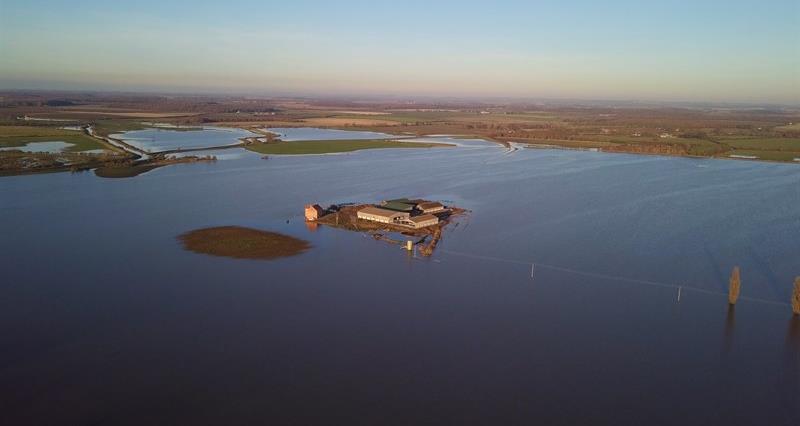
November saw 149% of the long-term average rainfall, which has helped kick-start drought recovery but also brought flooding to many parts of the country.
The group also heard from the EA (Environment Agency) Chief Scientist Dr Robert Bradburne and Jamie Hannaford, Principal Hydrologist at UKCEH how current learning is being used to better protect England against future water shortages.
Dr Bradburne, said: “Droughts are becoming more complex to analyse as the climate and society’s demand for water changes.
“Drought is only over when river, groundwater and reservoir levels are back to normal. The recovery phase means water levels are returning to normal – but water companies must maintain efficiency measures until resources are back to average levels for the time of year.
“Recovery can be fragile, and it means it is possible to have flooding and drought simultaneously.”
National Drought Group chair and Director of Water at the Environment Agency, Helen Wakeham warned that while recent rain has helped some of our depleted rivers and reservoirs, “we are not out of the woods yet”.
Met Office view
Head of Environment and Energy at the Met Office, Sarah Davies, said that “it’s important to remember that a single wet season does not necessarily ‘correct’ the impacts of two preceding dry seasons”.
She added: “The contrast between this autumn’s unsettled, rainy weather and the prolonged dry conditions seen by many in spring and summer has been particularly marked. England’s rainfall total for autumn 2025 was easily more than double the spring and summer total combined.
“Looking ahead, the chances of a dry or a wet winter are close to normal, though regional variations are likely. Sustained rainfall through the winter will be needed in some areas to support full recovery from drought, and we continue to monitor conditions closely as the season progresses.”
Current drought situation
Areas moving status from drought to recover are:
- East and West Midlands
Areas moving status from prolonged dry weather to recovery:
- North East
Areas moving status from recovery to normal:
- North West
Areas still in drought status:
- Yorkshire (pending review later this week)
- Parts of Sussex served by South East Water
The drought status means that the EA and water companies will continue implementing the stages of their pre-agreed drought plans to manage the impacts including precautionary actions such as TUBs (Temporary Use Bans).
Prolonged dry weather is an extended period of abnormally low rainfall that stresses water resources but hasn't yet reached drought threshold conditions.
The recovery phase means water levels are returning to normal – but water companies must maintain efficiency measures until resources are back to average levels for the time of year.
More information on the current water situation can be found at: GOV.UK | Water situation reports for England.
Advice for farmers
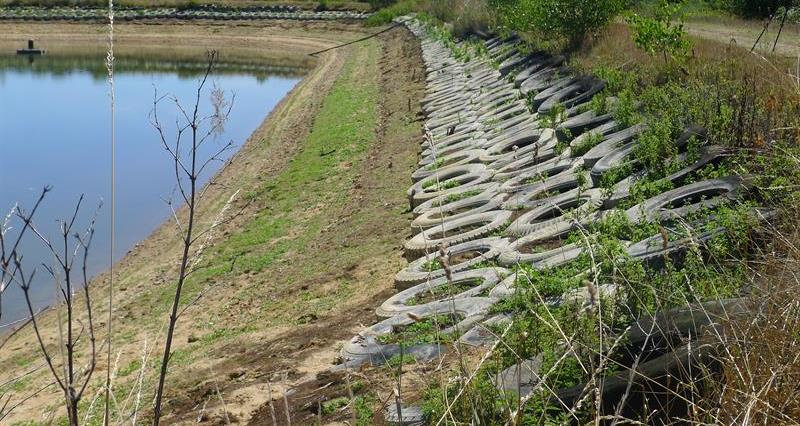
For those with winter storage reservoirs it is recommended that they take advantage of access to water where their licence permits to refill volume as soon as possible.
The EA has published its drought prospects report on 14 November giving a forward look on available water over the winter. It indicates the likelihood of being able to refill reservoirs this winter depending on the percentage of the long-term average volume of rainfall that actually falls this winter.
Also see the EA winter guide for farmers for information on potential preparations now following the dry weather of 2025.
Working with abstractors
The NFU continues to co-chair the National Drought Group sub-group for the agri-environment sectors. The group works with the EA to ensure challenges are understood and solutions developed where possible.
The EA continues to want to work with farmers, businesses, and other abstractors to manage water availability and ensure that they get the water they need to be resilient while maintaining protection of the environment.
The EA is urging abstractors to review their abstraction licences to ensure that these continue to meet abstractors needs for long-term resilience.
Where abstractors do not have long-term resilience then they should look to implement alternative solutions such as: review cropping plans, water efficiency, developing new sustainable sources of water or providing winter storage.
There may also be scope for collaborating with others to share licensed volumes, if actions taken individually are insufficient to provide resilience.
We are encouraging abstractors to think about working together as a water abstractor group to help their future resilience and consider what options there might be for developing a shared water resource if multiple businesses are locally challenged to find water.
Find out more at: Local resource option screening study funding – essential information.
For help and information for members facing issues with dry weather and drought, visit the NFU's dry weather essential information page.