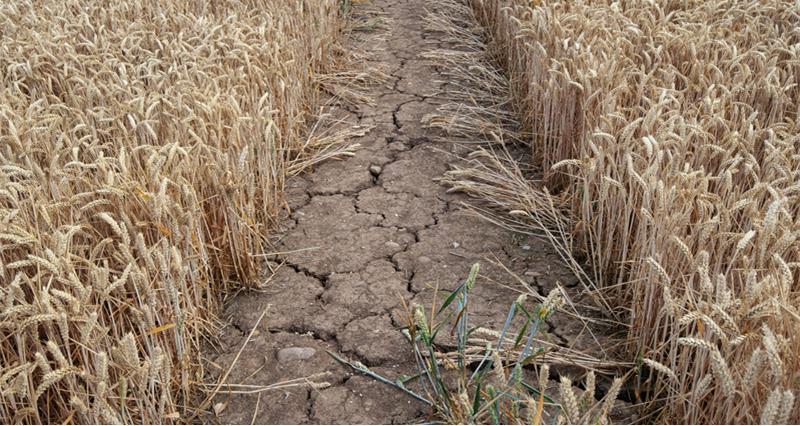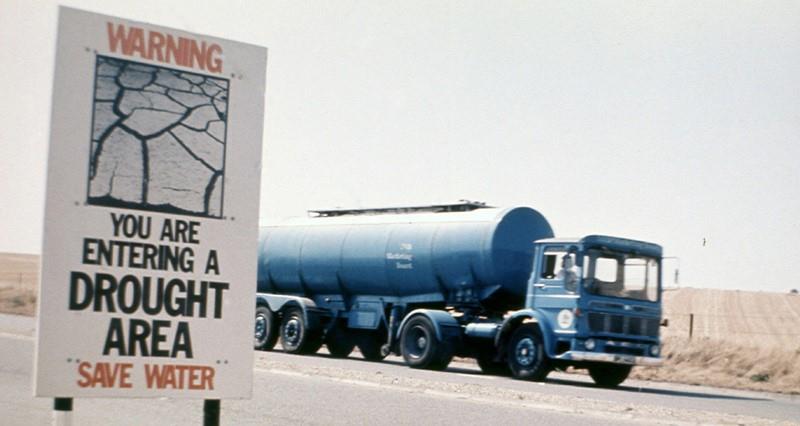
For a generation of 1970s schoolchildren looking back through the rose-tinted spectacles of middle age, the summer of 1976 was an endless summer of glorious sunny days, only occasionally interrupted by the tedium of having to queue at a standpipe in the street to collect a bucketful of water.
But for the nation’s food producers, that summer half a century ago is more likely remembered as months of anxiety as crops withered, livestock struggled and the countryside became as dry as tinder.
Prolonged dry weather
There have been severe droughts and dry spells since – July 2022 was the driest July in England since 1935, for example – but 1976 had such an impact because it came after a severe summer drought in 1975 followed by an unusually dry winter. By the start of June everything south of a line from the Humber to the Mersey was in a state of soil moisture deficit and by the end of July this had covered the whole country.
The drought finally broke in the last week of August, but lower rainfall in the north meant the effects of the dry weather persisted there for up to three weeks longer than in the south.
For Suffolk farmer David Barker, of EJ Barker and Sons at Lodge Farm in Stowmarket, the drought was evident earlier in the spring.
“For me, the drought had already begun by 28 March – I’d organised a charity football match on that day and it was 80 degrees (26.6C). The man of the match won a bag of potatoes, and everybody was incredibly jealous because by then potatoes were already running short and were like gold dust,” he said.
“We just didn’t have any rainfall at all for five months; it was unbelievably hot and dry.”
“We just didn’t have any rainfall at all for five months; it was unbelievably hot and dry.”
Suffolk farmer David Barker
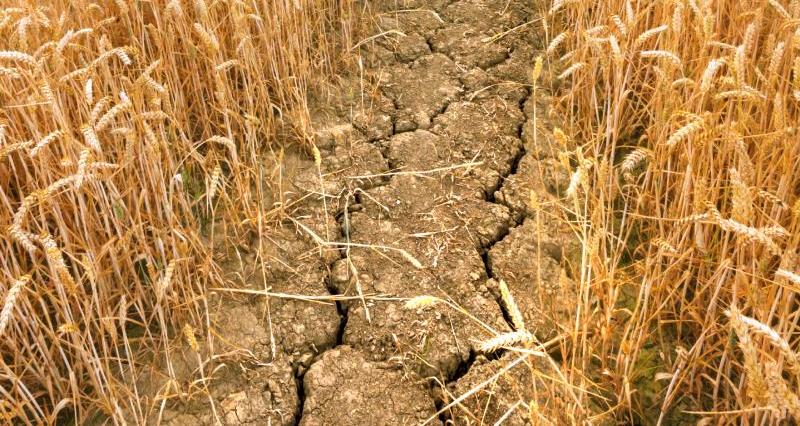
Thanks to Lodge Farm’s heavy soil, which retained moisture better than many other areas, David remembers 1976 offering a mixed picture, with fantastic quality winter wheat, an incredible crop of peas, reasonable winter and spring barley, but a disaster with field beans.
“When you look further afield, crops on estates with lighter soil shrivelled up to nothing, and they didn’t have the capacity in those days to irrigate.”
Impacts across the sectors
A report on the drought released by ADAS (Agricultural Development Advisory Service) in 1978, ‘The Effect of the Drought on British Agriculture’, noted its effect across all sectors.
Cereals, it said, saw winter crops doing well, with spring crops deteriorating rapidly across the country and harvest beginning in mid-July, the earliest ever recorded.
Diseases were less serious than usual, but aphids made the most of the hot weather, spreading in large numbers. The early potato crop grew well and was lifted early, but the main crop was severely affected. The crop was of poor keeping quality, aggravated by the terrible wet conditions that arrived at lifting in the autumn, and beset by numerous pests and diseases.
Anthony Hopkins, of Wroot Water irrigation, whose father farmed potatoes in South Yorkshire, said his father remembered: “Once the rain began it did not know when to stop. It was a difficult harvest due to the rain.”
Harvesting in wet conditions also affected sugar beet, which was of poor size before the September rains arrived. The adverse conditions led to a long campaign with some crops being lost and fed to livestock.
The drought severely affected horticulture, reducing vegetable and fruit yields, and those that survived were often of poor quality, with shortages continuing into 1977.
Farms also struggled to find casual workers willing to work in the glasshouses because of the extreme heat.
Fodder shortage
Growth of grassland had been poor in the summer of 1975, but had recovered in spring 1976, with excellent growth in the north and Midlands providing useful cuts of silage and hay.
However, the situation deteriorated again in the summer of 1976, and David Barker remembers: “Cornwall was desperately short of fodder. They set up a farmers’ co-op where they brought up their own balers and machinery because they were so desperately short of straw. A lot of straw went down to the West Country. I remember chemical firm CIBA-Geigy mentioning that blackgrass sprays would follow the straw in later seasons!”
Fodder crops were severely affected and ADAS noted that although livestock had remained fit during the hot, dry weather, they were very lean unless their feed had been heavily supplemented.
Breeding animals lost weight and other animals made only small gains in live weight.
Milk yields fell sharply in July and August and sales of liquid milk showed a severe drop in production in July, August and September.
Poultry were affected by the heat rather than the drought, with fatalities caused by poor ventilation in the hot conditions.
“People were going out and creating fire breaks in their fields because they feared if a fire broke out it could go on for miles.”
Suffolk farmer David Barker
Fire fears
Fires became a major hazard, with many hedges across the country burning, along with scrub and heath land across Wales and southern England.
David said: “In those days we had stubble burning – it wasn’t banned in 1976 although it should have been. If you dropped a lit match, it could be catastrophic. People were going out and creating fire breaks in their fields because they feared if a fire broke out it could go on for miles.”
Drought Bill introduced
In July, the government was spurred into action, introducing a Drought Bill to increase its regulatory powers to move water and appointing a minister for drought.
“Poor old Dennis Howell got the job,” remembered David. “What was he meant to do – a rain dance? We all had great sympathy for him, and he had great sympathy for us. But he couldn’t do a hell of a lot.”
Anthony said: “The drought was so severe there were standpipes in the street and lorries were transporting water from the river Ouse and Calder and trying to fill the reservoir.
“We did not have to dry the grain! The godsend was that although the yield was less than a quarter of normal, the prices had increased six to eightfold. As my grandfather said, ‘you are better with half the crop and double the price’.”
David added that as the UK had recently joined the European Economic Community (in 1973) farmers had the benefit of the higher prices than under the old support system.
Drought recovery
Recovery from the drought was rapid once the autumn rains arrived, but the downpours then led to severe waterlogging, damaging the soil structure where root crops had been harvested.
The drought did lead to an increased interest in water storage and irrigation on farm, and some increased government grants to support it. The public had also become more aware of the importance of British farming after noticing a reduction in both the quantity and quality of food on shop shelves. Food prices also rose significantly with the drought.
“The rains came in September, and the industry gave a great big sigh of relief. Like all farmers, we were pretty resilient, we tightened our belts and we got through it,” said David.