The call comes the week after international scientists confirm that a strong El Niño - typically associated with higher global temperatures and drought in some countries – has begun.
Resilience needed
NFU Deputy President Paul Tompkins said: “British agriculture may look a little different to the 1970s, but extreme weather, such as the 1976 drought, is becoming more frequent and more severe.
“78% of farmers and growers say they’ve seen an increase in frequency of severe weather events in the last 10 years.
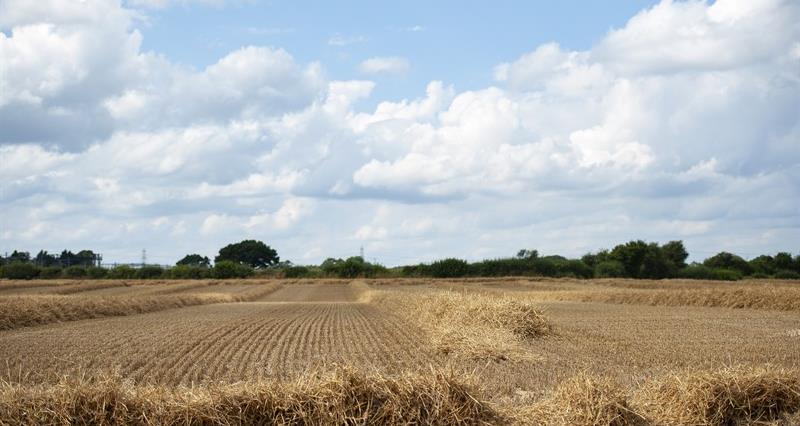
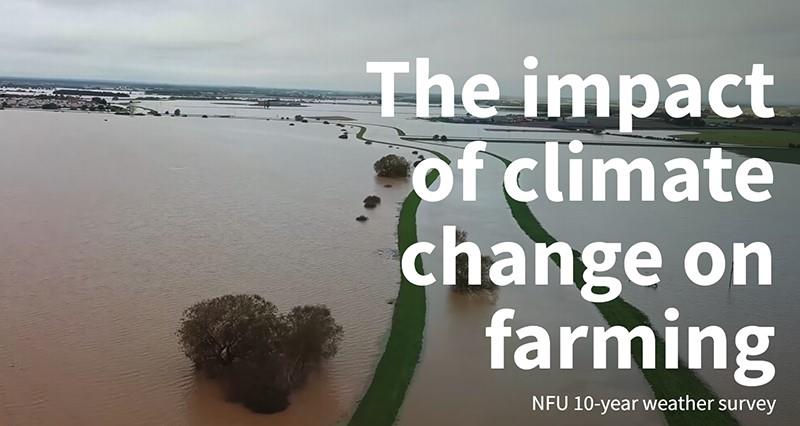
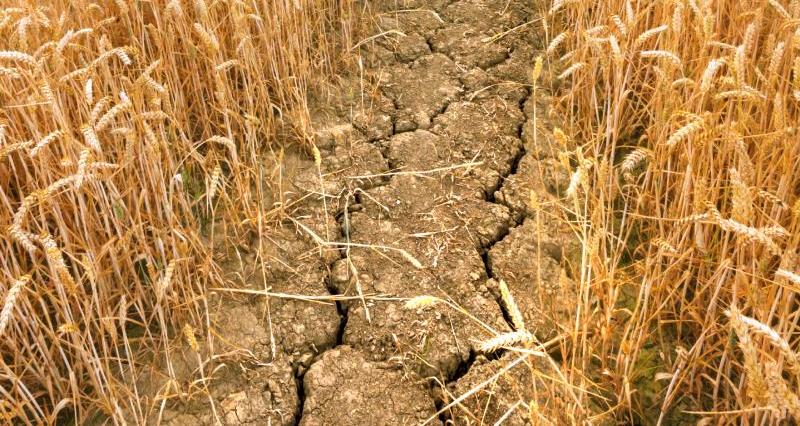
“The reality on farm is stark, fields that produce wheat for the nation’s bread can be underwater one year, then parched and cracking the next. Livestock fields swing from flooding to scorching conditions with little grass growth to feed the cows and sheep that make our landscape.
“Food security starts with water.”
NFU Deputy President Paul Tompkins
“This volatility is not just challenging, it’s costly. Farm businesses report average losses of more than £40,000 as a result.
“Food security starts with water. To safeguard our domestic food supply, we must build resilience to climate volatility. Government must go further to secure farmers and growers’ access to water during shortages, through planning and regulatory reforms that support on-farm water storage, investment in water efficiency and innovation in more water-efficient crops and systems.”
What’s at stake
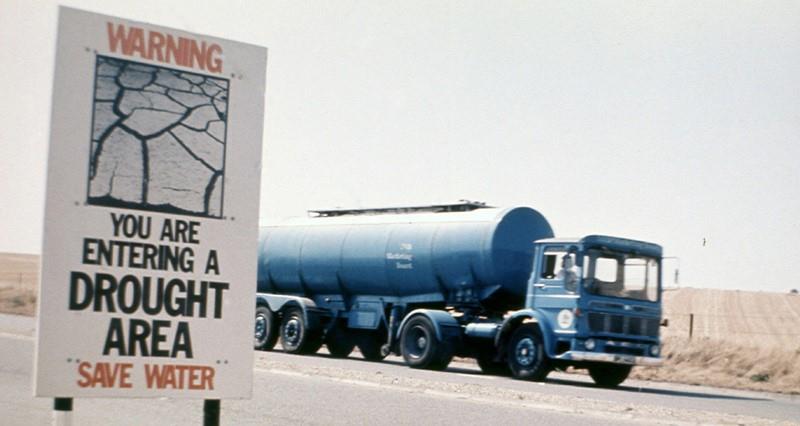
The anniversary of the 1976 drought is a stark reminder of what is at stake. That year, barley yields fell by up to 50% in some areas, potato shortages disrupted processing factories and both arable and livestock farmers were warned to expect water rationing.
Michael Sly, a farmer from East Anglia who was eight years old at the time, remembers the drought: “I remember the drought beginning to set in during 1975 on our family farm, before really taking hold in 1976.
“Fields that should have been full of life turned brown and brittle, the ground cracking under the heat, it felt endless, like the rain might never come.
“But when it finally did, I can still hear it now, the sound of rain hammering against the parched fields and rattling on the roofs of dusty sheds. It was unforgettable, a moment of real relief after months of uncertainty.
“With extreme weather like this becoming more common, farmers and growers are ready to be part of the solution in adapting to our changing climate. But we need more support to make that happen.”