Reflecting on COP17: Farmer representation in global biodiversity discussions
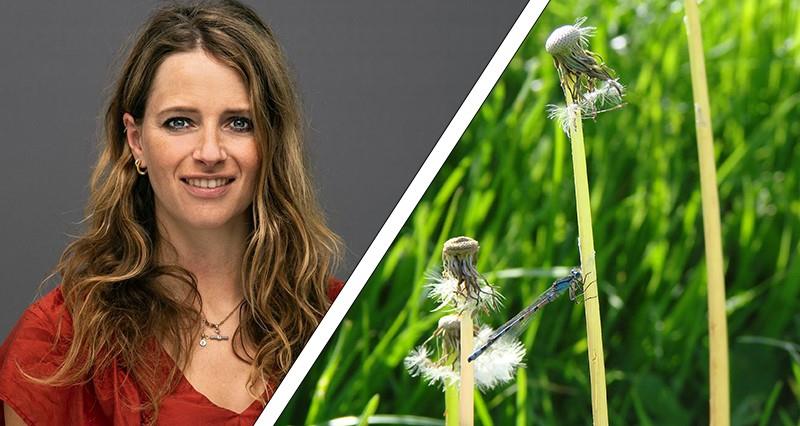
Photograph: NFU/Huw Rowlands
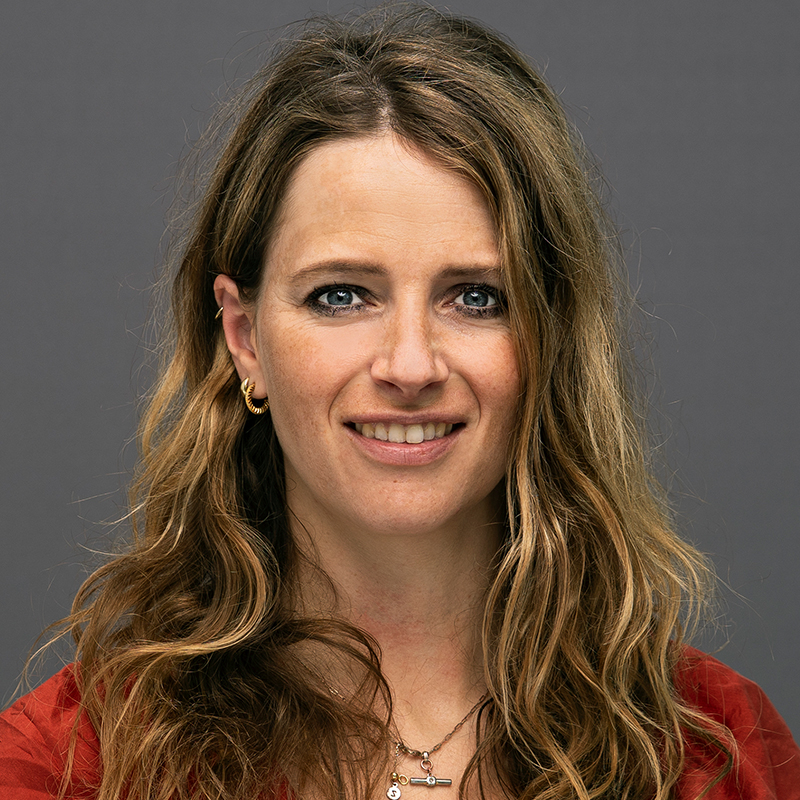
Sophie Gregory
NFU National Dairy Board member
After representing the World Farmers’ Organisation at COP17 in Armenia, NFU National Dairy Board member Sophie Gregory reflects on the importance of farmer representation in global biodiversity discussions and why practical solutions must work for those managing the land.
I’ve just returned from Yerevan, Armenia, where I was representing the World Farmers’ Organisation at COP17, the United Nations Biodiversity Conference, and it was certainly an eye-opener.
We hear plenty about climate change and COP conferences, but biodiversity is equally important to the future of farming.
COP17 brought together governments, scientists, conservation organisations, businesses and policymakers from around the world to discuss how we protect and restore nature, and crucially, how we deliver on those ambitions in practice.
Where were the farmers?
Farmers manage the land, but where were the farmers? One of the things that struck me most was just how few farmers were there.
Grazing livestock systems occupy roughly 30% of the world’s ice-free land surface. That’s an extraordinary amount of land being managed through agriculture, with farmers making decisions every single day that influence soil health, biodiversity, water, habitats and landscapes.
Yet, from what I could see, there were only around five working farmers attending the conference.
For a conference discussing the future of biodiversity and land management, I found that quite astonishing.
We’re talking about the people who are responsible for managing a significant proportion of the world’s landscapes, but who are barely represented when the big decisions are being discussed.
I’m certainly not suggesting us farmers have all the answers. We don’t. But neither can governments, scientists or environmental organisations deliver meaningful change without involving the people who actually manage the land.
Farmers shouldn’t just be consulted once the policies have been written. We need to be part of developing them in the first place.
Turning global targets into practical action
At the heart of it is the Kunming-Montreal Global Biodiversity Framework, agreed in 2022. The overall ambition is to halt and reverse biodiversity loss, with four long-term goals for 2050 and 23 targets to achieve by 2030.
Some of the main ambitions include:
- 30 by 30: Conserve at least 30% of the world’s land, inland waters and marine areas by 2030.
- Restoration: Have at least 30% of degraded ecosystems under effective restoration by 2030.
- Sustainable agriculture: Improve biodiversity through sustainable farming, forestry and fisheries.
- Reducing pollution: Tackle nutrient losses, pesticide risks and other forms of pollution.
- Finance: Mobilise at least $200 billion annually for biodiversity by 2030.
- Measurement: Develop better ways to monitor biodiversity and demonstrate whether policies are working.
These are enormous ambitions, and rightly so. Biodiversity loss is a genuine challenge.
But my question throughout the conference was: how do we turn these global commitments into something practical, affordable and achievable on farms? And importantly, who is going to pay for it?
Can biodiversity really be measured?
One of the sessions I attended focused on measuring ecosystem condition, and I found this particularly interesting.
As farmers, we’re increasingly being asked to measure everything: carbon emissions, soil health, water quality, biodiversity and animal welfare.
But biodiversity is incredibly complicated to measure. How do we establish a meaningful baseline? How do we compare different landscapes, climates and farming systems? And how do we recognise improvements that might take years, or even decades, to become apparent?
A dairy farm in Dorset like mine is going to look very different from a rangeland livestock system in Armenia. Neither should automatically be considered better or worse simply because the landscapes look different.
We need measurement systems that recognise local conditions and improvements over time, rather than creating another expensive administrative burden. And if farmers are expected to collect the data, there needs to be a clear benefit to doing so.
Getting the livestock debate right
Another interesting discussion centred on rangelands, livestock, biodiversity and climate action. Livestock are often discussed primarily in terms of their environmental impacts, particularly emissions. But grazing animals also play an important role in managing landscapes and habitats.
Well-managed grazing can help maintain diverse grasslands, support soil health, cycle nutrients and provide habitats for different species.
Of course, management matters. Overgrazing can cause significant environmental damage, just as inappropriate abandonment of grazing can change valuable open habitats.
The answer isn’t simply livestock good or livestock bad. It’s about understanding which farming systems work in which landscapes and how we improve them.
Coming from a grass-based dairy farming background, this was particularly relevant. On our own farms, we’re continually trying to balance food production, grazing management, soil health, biodiversity and the financial realities of running a business. That balancing act is something policymakers need to understand.
What Armenia taught me about farming and nature
Away from the conference rooms, Armenia itself was an amazing place to visit. It’s a country with an extraordinary history, dramatic landscapes and a strong agricultural heritage.
Travelling outside Yerevan really brought home how different farming systems and landscapes can be, even though many of the challenges farmers face are remarkably similar.
Agriculture has an important role in rural livelihoods, and livestock farming is part of the country’s landscape and culture.
What works on a UK dairy farm cannot simply be copied and pasted into another country. That’s something I think we sometimes forget when discussing global environmental policy.
We need shared ambitions, but practical solutions must reflect local farming systems, climates, communities and economics.
Why farmer voices matter
I came away with several thoughts. Firstly, farmer representation at international environmental discussions really matters. The NFU and other farming organisations have an important role in making sure the practical realities of food production are heard.
Secondly, biodiversity policy needs to recognise that farming produces food as well as managing land. We cannot discuss environmental outcomes without considering food security, rural communities and farm business viability.
Thirdly, we need practical, consistent and affordable ways of measuring environmental improvements. Farmers cannot be expected to continually collect more information without understanding its purpose or value.
And finally, we need to make sure farmers are recognised and rewarded for the positive environmental management they already deliver, as well as supported to make further improvements.
More than five seats in the room
I went to COP17 expecting to learn more about global biodiversity policy, and I certainly did.
But what stayed with me most was the disconnect between the scale of the ambitions being discussed and the number of farmers actually involved in those conversations.
There were some incredibly knowledgeable and passionate people there, all trying to address a very real global challenge.
But knowledge needs to flow both ways.
We need scientists, policymakers and conservation organisations. We also need farmers who understand the daily realities of managing livestock, soils, grasslands, water and habitats while producing food and keeping a business financially viable.
After all, it’s one thing to agree an ambitious target in a conference centre. It’s quite another to deliver it in a field, in the rain, with a business to run and bills to pay.
If farmers are managing such a significant proportion of the world’s land, surely, we deserve more than five seats in the room?
That’s the message I’ll be taking away from Armenia.